Very slow digestion: causes and remedies
Every time you finish eating, it’s the same old story.
Your trouser button feels tighter and tighter, and if you look down you could easily picture a pair of big eyes gazing upwards, pleading for help!
Not to mention your heavy eyelids, which want nothing more than to close and give in to the drowsiness that turns up after every meal, more punctual than a Swiss train.
How on earth is that possible? This time you were absolutely sure you’d done everything right: the dishes were light, dressings and sauces were practically non-existent, and you’d been careful to choose quality ingredients.
It’s clear what’s going on here: you have a slow digestion problem.
Your digestion may be slow, but we’re going to move very fast, because (and we’re absolutely delighted about this) there are some very effective natural remedies for slow digestion, and we can’t wait to tell you about them.
But first, let’s understand why digestion can slow down.
Slow digestion: the warning signs
Even though we’re talking about slow digestion, the warning signs of this complaint appear very quickly.
The first, and arguably the best known, is a bloated belly: the feeling (often visible to the naked eye, too) that your waistline has grown, as if you’d just eaten a whole wedding banquet.
Other signs include:
- Stomach ache
- Bad breath
- Changes in your stools
- Diarrhoea
Let’s take a little detour to talk about stools. Yes, we know it’s not the most pleasant of subjects, and some people might find it a little embarrassing, but we’re among friends here, and everything you read is for your own wellbeing.
Knowing how to read and interpret your stools can tell you a lot about the health of your gut and of your digestive system in general.
For example, did you know that if there are traces of food in your stools, it means your body isn’t absorbing much of what you eat? Or that if they are hard and “pellet-like”, it can mean you are constipated?
To understand how healthy your stools are, you can use the Bristol Stool Chart. That’s right: there is a scale for rating how healthy stools are, and every shape and colour is classified as a type.
- Type 1: Separate, lumpy stools: severe constipation
- Type 2: Sausage-shaped but made up of lumps stuck together: mild constipation
- Type 3: Sausage-shaped with cracks: normal
- Type 4: Sausage- or snake-shaped, soft and smooth: normal
- Type 5: Soft pieces with irregular edges, light in colour: lack of fibre
- Type 6: Fluffy pieces with ragged edges and a mushy consistency: mild diarrhoea
- Type 7: Watery stools with no solid pieces at all: severe diarrhoea
From now on, when you go to the loo, remember the Bristol scale before you flush!
Possible causes of slow digestion
Did you recognise yourself in those warning signs? You sort of knew that something wasn’t quite right with your digestion, and now you’re starting to be sure of it.
So what are the causes of slow digestion?
- Eating lots of white flour: white flour is the basic ingredient of bread, pizza and pasta. Apart from all beginning with “p” in Italian (pane, pizza, pasta), these foods share another common denominator: yeast. It’s because of this ingredient that, after eating them, your belly seems to rise too, just like dough! To be more precise, it isn’t yeast itself that causes bloating, but poor-quality yeast. In fact, in industrial products and those made with white flour, alpha-amylase and “improvers” are often added alongside the yeast: substances used to speed up rising times and make the product available straight away. If you’re going through a period of slow digestion, our advice is to avoid all leavened products for a while, and when you reintroduce them, make sure you choose ones made with wholemeal flour and sourdough starter, a natural type of yeast that doesn’t cause any strange fermentation.
- High sugar consumption: here, the sugars in question aren’t just those in cakes and biscuits. By “sugar” we also mean the sugars in fruit. Sugars are the favourite food of the gut bacteria that cause fermentation. It’s a bit like offering them a free banquet and inviting them to help themselves to as much as they like. Speaking of fruit, if your digestion is slow, the same advice applies: take a break from it for a while, and when you reintroduce it, start with the less sugary kinds such as apples and pears, and avoid eating it at the end of a meal. That’s a habit you should lock away in a drawer and forget about. Fruit at the end of a meal slows digestion down enormously, whereas here we want to turn your digestion into Speedy Gonzales!
- A diet based mainly on meat and cheese: let’s clear things up a little on this point. You don’t have to cut out all meat and all cheese. When your digestion slows down, we recommend that you stop eating fatty meats such as veal, lamb and pork for a while. As for cheese and dairy products, avoid those made from cow’s milk, which are rich in lactose, a molecule that our body can no longer digest after weaning, and choose goat’s and sheep’s milk products instead. See? This point isn’t so bad after all, admit it!
- Not drinking enough: water is essential for moving stools through the gut and for giving them bulk. If you don’t drink enough, you’re more prone to constipation, which in turn causes slow digestion.
- Anxiety, stress and mental fatigue: your mind influences what you eat, and what you eat influences your mind. The brain–gut relationship is one of the most wonderful discoveries of our century. The link is so deep that the gut has become known as the second brain. When you eat, try to be somewhere calm and take your time to chew, savour your food and switch off from thoughts of what happened earlier and what you’ll have to do later. It’s your time to relax: enjoy it!
Food intolerances
Intolerances have become a very popular topic lately. Sometimes too popular. In fact, slow digestion is often mistaken for an intolerance, while a genuine intolerance goes undetected, because there is very little clarity on the subject.
And we’re here to clear away every cloud of doubt!
In this grey sky of doubts about intolerances, let’s start with the organ that plays the leading role: the intestine, or rather the intestines, because your belly contains both the large intestine and the small intestine.
Both are made up of one continuous tube that twists and turns in a thousand curves until it fits perfectly inside your belly. And there really are a great many folds. The first one, starting from the stomach, is the small intestine, which is 4-5 metres long; if you could spread out its surface, it would cover a tennis court!
Next comes the large intestine (or colon), the final part of the digestive system, which acts as a “frame” around the small intestine. It’s perhaps better known than its brother because its last stretch is where stools pass through before being expelled.
Most of the processing of what you eat every day takes place in the intestines. After being ground up by your teeth and mixed with saliva, each mouthful is sent down to the stomach.
This is the first stop, lasting about two hours, where the food is processed further; then it knocks on the door of the intestine: the pylorus.
In the intestine, your mouthful travels 3 metres every hour, and along each stretch some substances are absorbed and others are discarded. This “in or out” selection is repeated all along the small intestine and part of the large intestine, until eventually it reaches a final section where whatever has been discarded has to leave the body for good.
“But what has all this got to do with intolerances? Instead of clearing the clouds, it seems to me the sky is getting darker and darker!” True, there are no bright spells in sight just yet, but we promise that everything will soon be crystal clear!
We’ve reached the final crossroads, remember? At this point, you need to know that the walls of the intestine are lined with cells packed tightly together, so tightly that they literally slot into one another like Tetris pieces!
This seal is very important because it stops substances that have been discarded or are not yet digested from getting into the circulation.
There are certain situations, which we’ll look at shortly, that cause these junctions to loosen their grip and leave gaps through which waste substances can pass, or “good” molecules that are still too large to go into the bloodstream.
At this point, the body goes on alert, because an unwanted intruder has crossed its borders. In particular, it’s the immune system, more than anything else, that sounds the alarm and sends out its soldiers to deal with these unwelcome guests.
If, after this episode, the intestinal junctions manage to reconnect, things go back to normal, but alas, that’s a one-in-a-million case. In fact, these gaps rarely manage to close up again on their own (on the contrary, they can get wider and wider), partly because unwanted substances keep passing through them.
And the more the gut “leaks like a sieve”, the worse our absorption of what we eat will be, because the transport systems that have to carry the vitamins, minerals and nutrients we actually want to absorb are damaged too.
This line of reasoning underlies a great many theories about food intolerances, because a “fragmented” intestinal environment lays the perfect foundation for food intolerances to develop.
That’s why cutting out certain foods is often not enough. It’s important to focus on reuniting the intestinal cells that make up the intestinal mucosa.
Possible causes of food intolerances
Now that you’ve followed all this reasoning, the question “What causes food intolerances?” springs to mind.
The main causes that can lead to food intolerances include:
- Gut flora: these are the beneficial inhabitants of our gut. Billions of bacteria of different species living in balance with one another. If, for certain reasons, this balance is upset, the groundwork can be laid for food intolerances.
- Overuse of medicines: however important and sometimes irreplaceable they may be, medicines act directly on the gut flora, targeting precisely those bacteria that care most about the wellbeing of your gut. Try to use medicines only when they are truly essential, and limit both how long you take them and how much you take (follow your doctor’s instructions).
- Lifestyle: whichever way you look at it, it always comes back to this. Lifestyle has an enormous influence on the overall wellbeing of the body and, above all, on the gut. The foods we said can cause slow digestion are the same ones that, over time, can loosen the intestinal mesh and so lead to intolerances developing. And what you think, and the way you process your emotions, also has an impact on the balance of your gut. Remember the second brain theory?
At this point, we can say that slow digestion is the first warning sign that should make you stop and think a little more about your belly. Otherwise, over time, problems such as food intolerances, inflammation and malabsorption could develop.
See how everything is clearer now? :)
Bloated belly: causes and remedies
Let’s leave our big detour into intolerances behind and get back to slow digestion.
One of the most common consequences, and also the one you notice most clearly, is a bloated belly.
A bloated belly means gas in the belly, or a lower abdomen that is hard and swollen like a drum, and not because you’ve just come out of an intense ab workout.
A bloated belly, also known as flatulence, is very common in women, especially at times such as their period or the menopause, but it doesn’t spare the chaps either.
At last, a democratic complaint!
Joking aside, besides slow digestion, the causes of a bloated belly include:
- Chewing quickly: when was the last time you took more than fifteen minutes to eat a meal? And what if we told you that you should take at least twenty? It takes your stomach about twenty minutes to realise it’s full and send the message to your brain. This means that if you eat in a hurry, you take in more food than you actually need, plus a side order of nitrogen and other gases: the air you swallow when you gulp your food down. Now, some of this air is expelled, but the rest heads straight for the large intestine, making it swell.
- Chewing gum: unlike a meal, which you eat quickly and then it’s over, gum is something you can keep chewing for hours. This means that for a long time you’re taking in air, which will then take a lot of effort to get rid of (in every sense of the word…)
- Poor diet: as well as the foods we mentioned earlier, the other culprits behind a bloated belly are sweet fizzy drinks, very high-fibre vegetables (such as fennel or artichokes) and pulses.
- Irregular bowel habits: constipation and diarrhoea are the main gateway to a bloated belly! Remember the Bristol Stool Chart? If your stools are types 1 and 2, or 6 and 7, you need to prick up your ears.
Natural supplements for slow digestion
So far, we’ve tried to explain slow digestion and look at its possible causes. Now it’s time to take action!
A natural supplement for slow digestion must contain:
- Fennel
- Ginger
- Dandelion
- Lemon Balm
- Mallow
FENNEL
It’s your gut’s best friend. It’s so fond of your gut that every time they meet, it helps with its peristaltic movements, that is, the movements needed to digest food and push it along. It also deals with gas in the belly, helping to get rid of it without discomfort or pain.
GINGER
If fennel is the gut’s friend, Ginger really has the stomach’s interests at heart. Thanks to its active ingredient, gingerol, ginger aids digestion by stimulating the production of saliva and bile, substances that are essential for good digestion.
DANDELION
You might say that every plant has its own best-friend organ and, indeed, for perfect digestion all the key players have to be working at their best.
Dandelion is the plant that befriends the liver and kidneys. It cleanses them and helps them eliminate excess toxins and waste. What’s more, good liver function is fundamental to digestive wellbeing.
LEMON BALM
Remember when we said that one of the causes of slow digestion is stress? Well, Lemon Balm is the plant of relaxation. It eases tension, particularly in the gut and stomach.
MALLOW
Finally, Mallow is everyone’s friend, because it brings benefits wherever it goes. In particular, it has soothing and emollient properties, perfect for countering inflammation, gastritis and colitis.
It is especially helpful for the intestinal walls because, when it comes into contact with water, Mallow forms a kind of gel that protects all the intestinal cells and their junctions, helping them stay tightly sealed!
“Great, I’ll rush out and get these plants right now!” you’ll say.
Stop right there!
A supplement for slow digestion must also be:
- Formulated with standardised dry extracts: a standardised extract is the most effective form of a plant you can find. It means having the exact amount of the most effective active ingredient, and that this amount always stays constant over time.
- Packaged in dark glass bottles: never plastic! It’s a material that can release substances onto the capsules you’ll then swallow, and Mother Nature doesn’t like that one bit.
- In vegetable capsules, not capsules of animal origin.
What you’re about to read may seem impossible, but … there is a natural supplement for slow digestion that brings together all the plants that are your belly’s friends and meets all the technical requirements you’ve just read about.
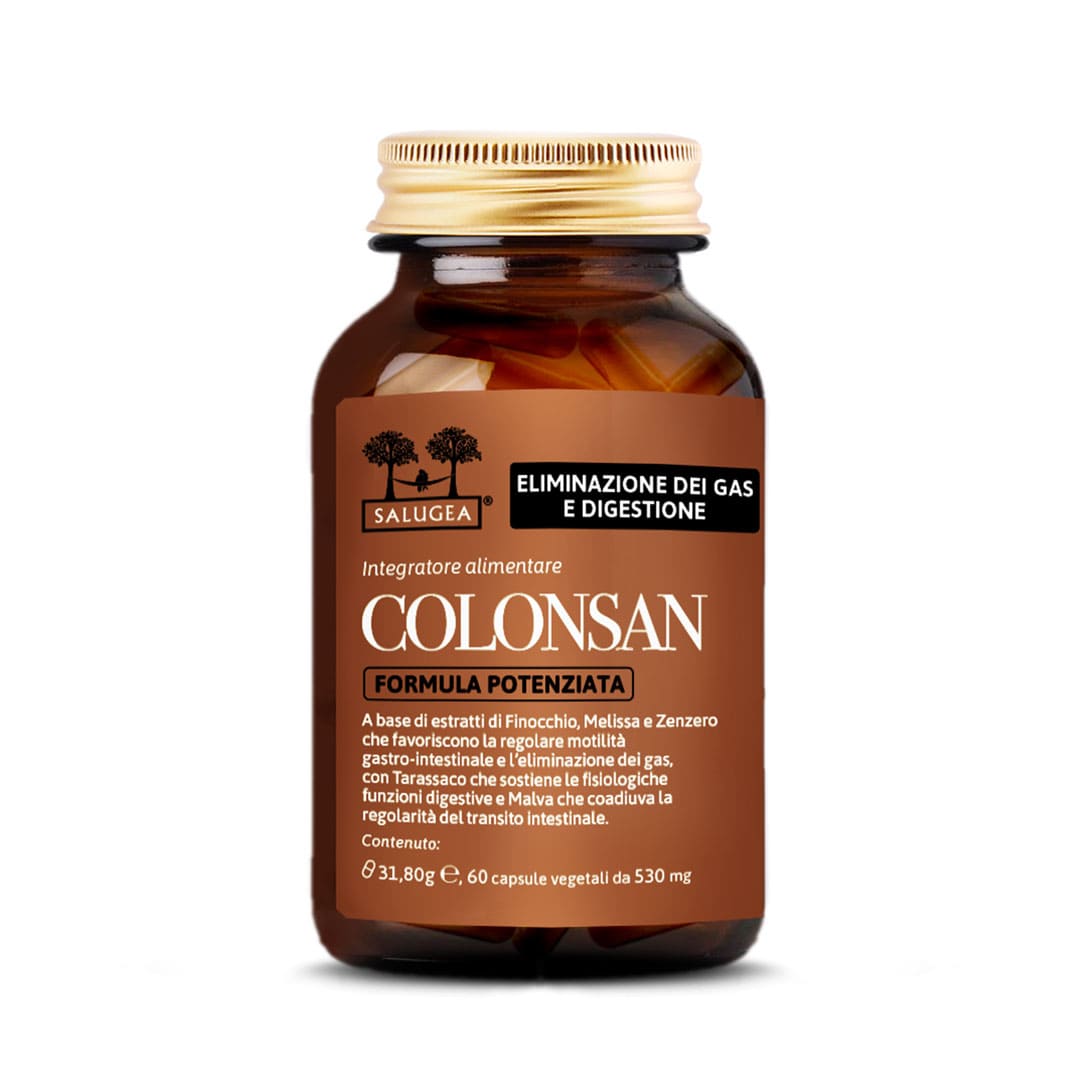
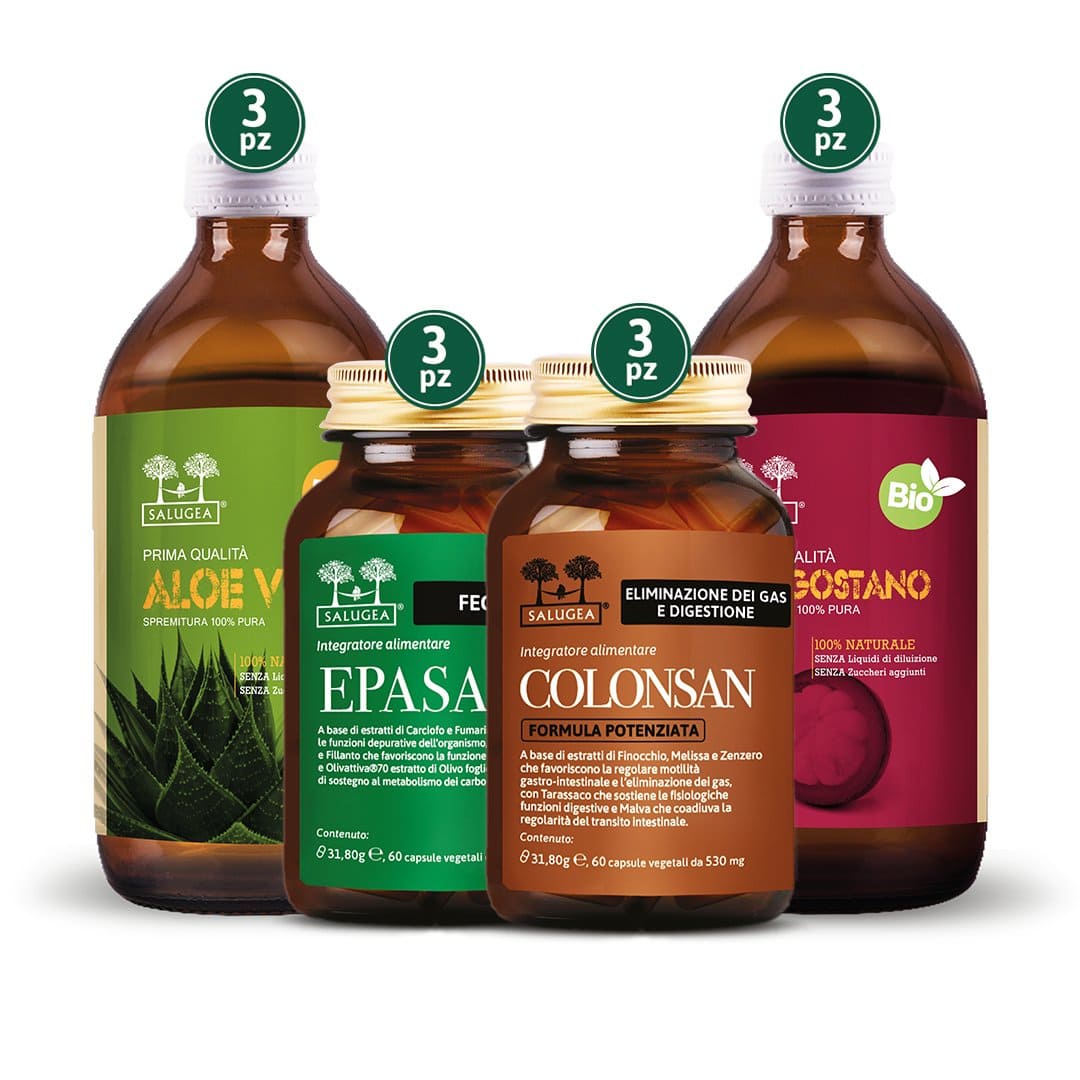
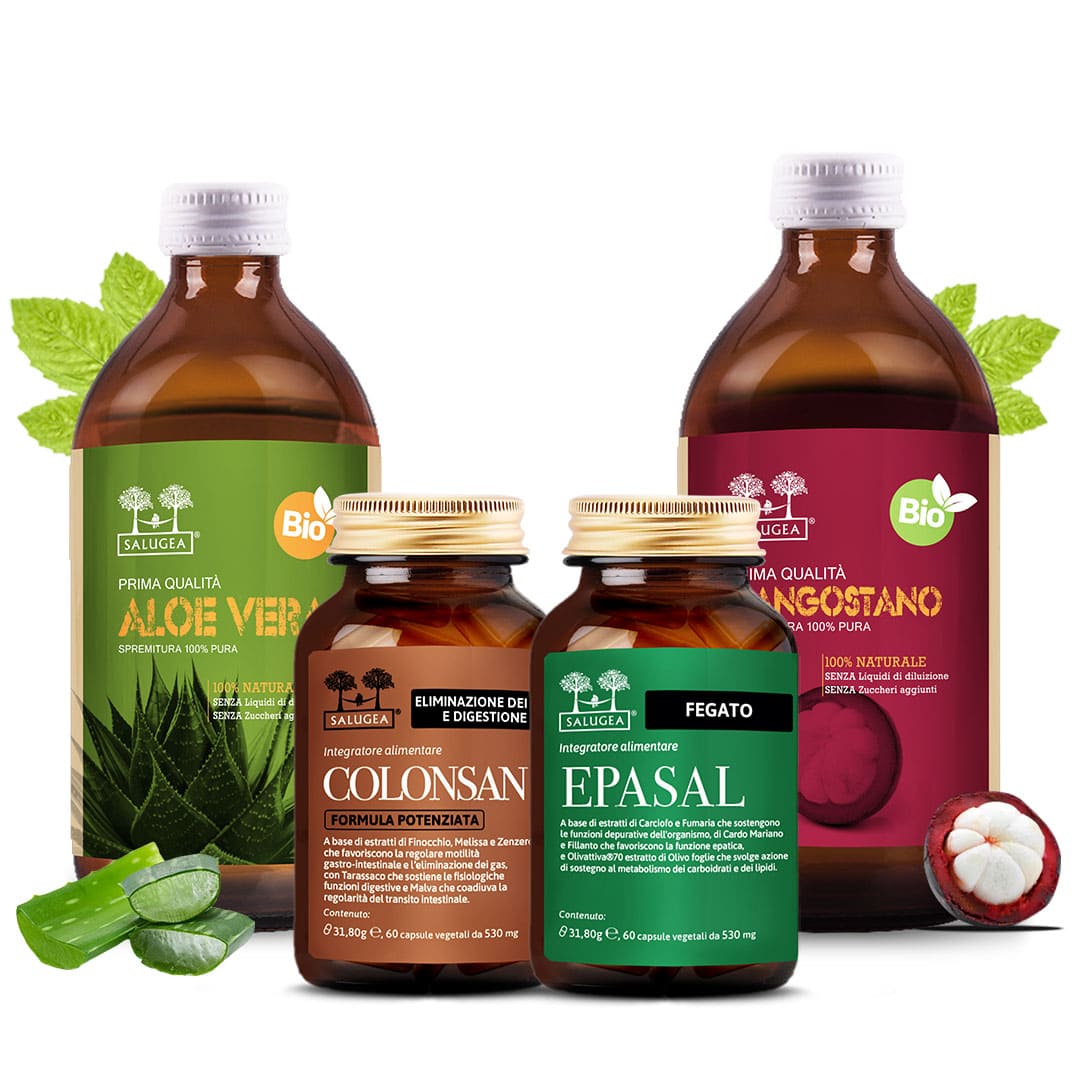
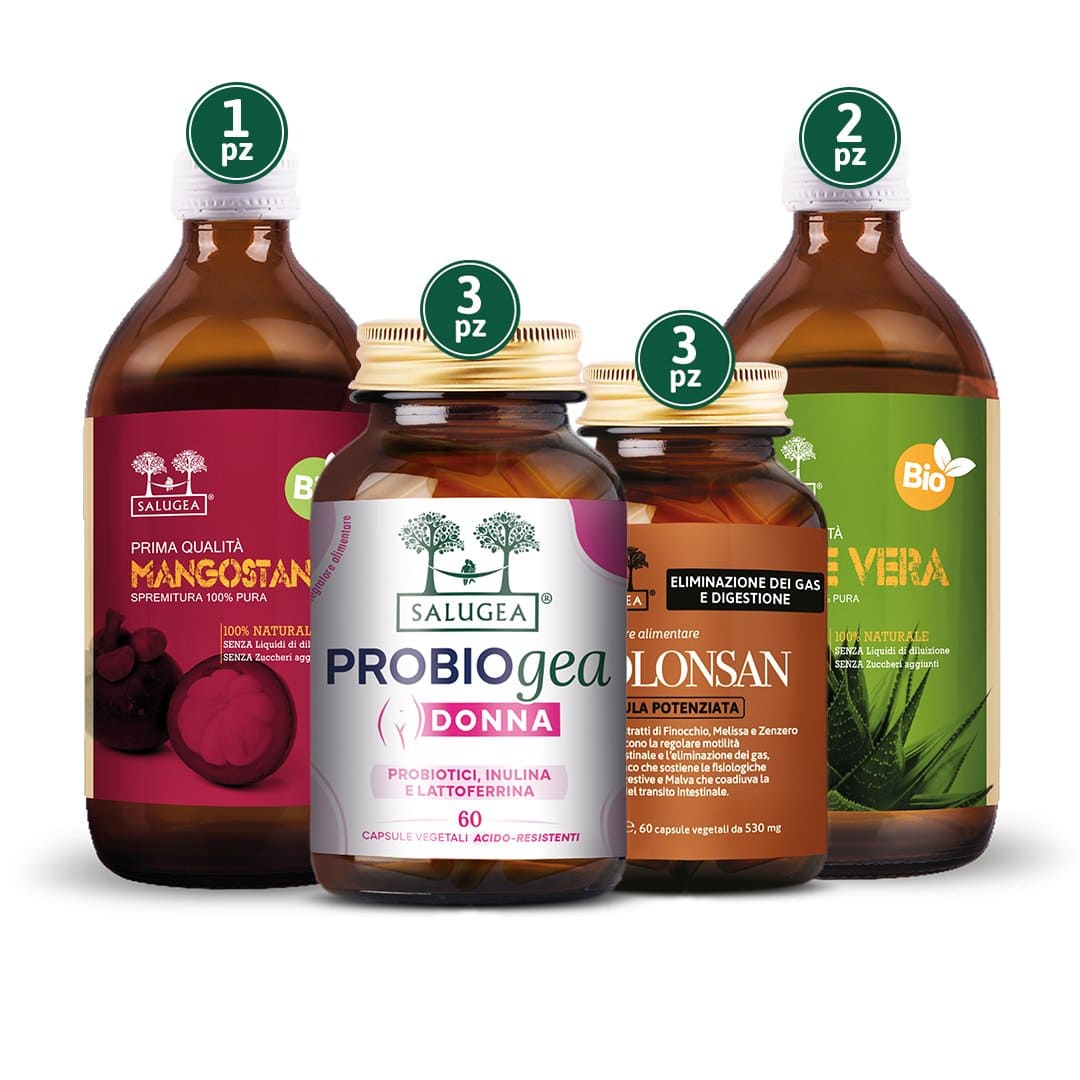
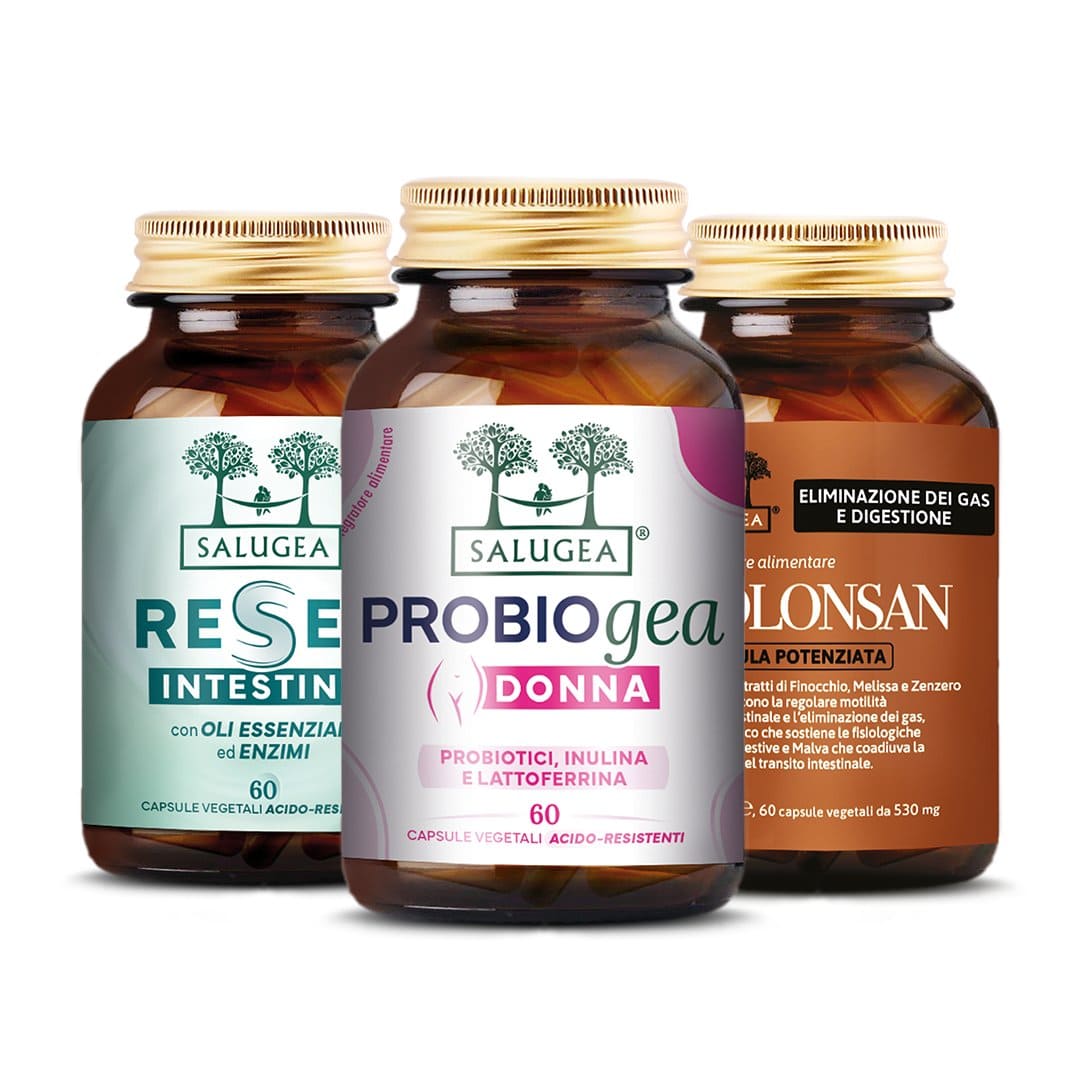
It’s Colonsan Enhanced Formula.
Colonsan Enhanced Formula is a 100% natural supplement designed to improve slow digestion and counteract a bloated belly. And that’s not all!
With Colonsan Enhanced Formula, you can say goodbye to heartburn, alternating bowel habits, flatulence and tummy ache, and at last you won’t have to loosen your belt or undo your trouser button every time you eat!
Goodbye, sloth-like digestion. Hello, Speedy Gonzales
Other useful natural supplements for the stomach and gut
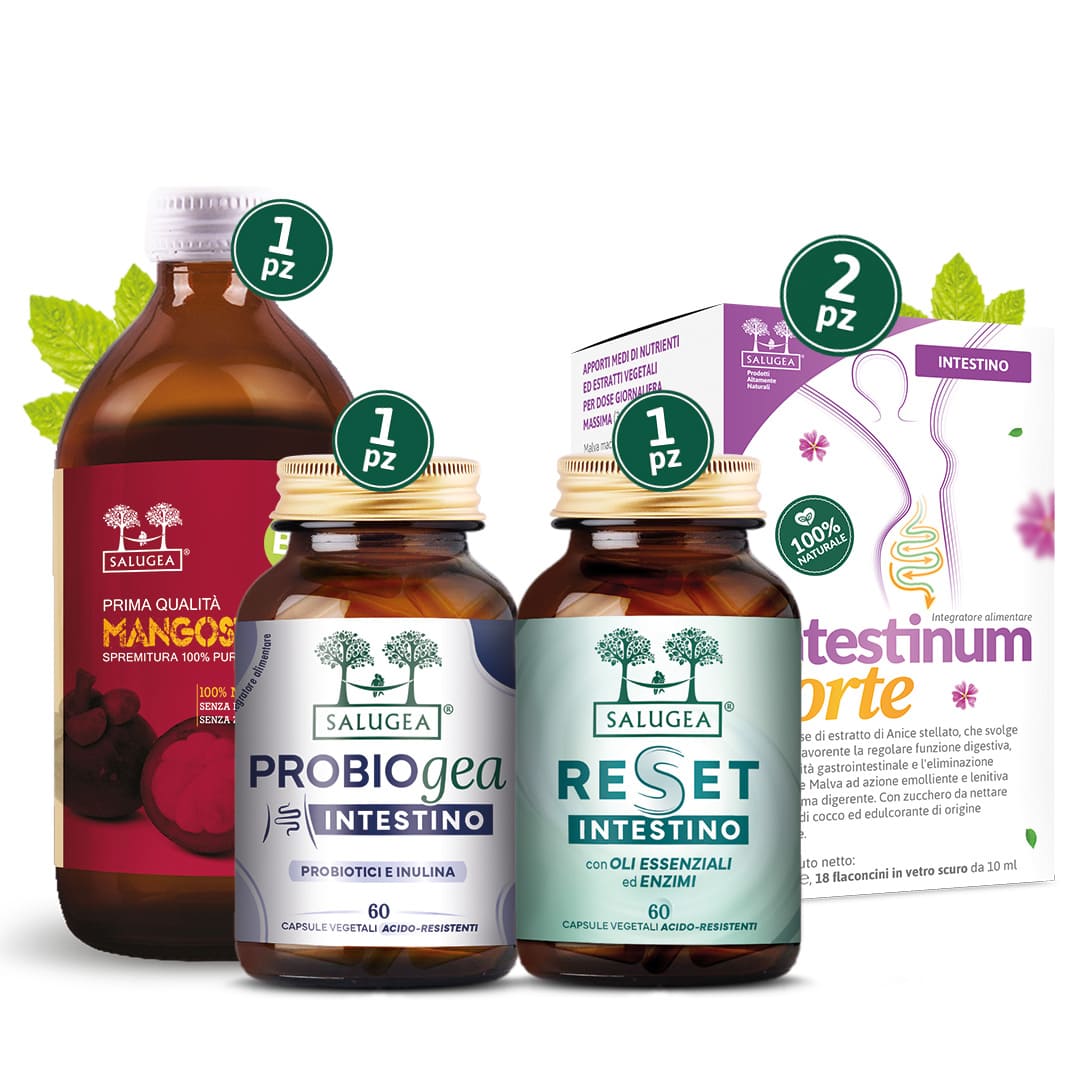
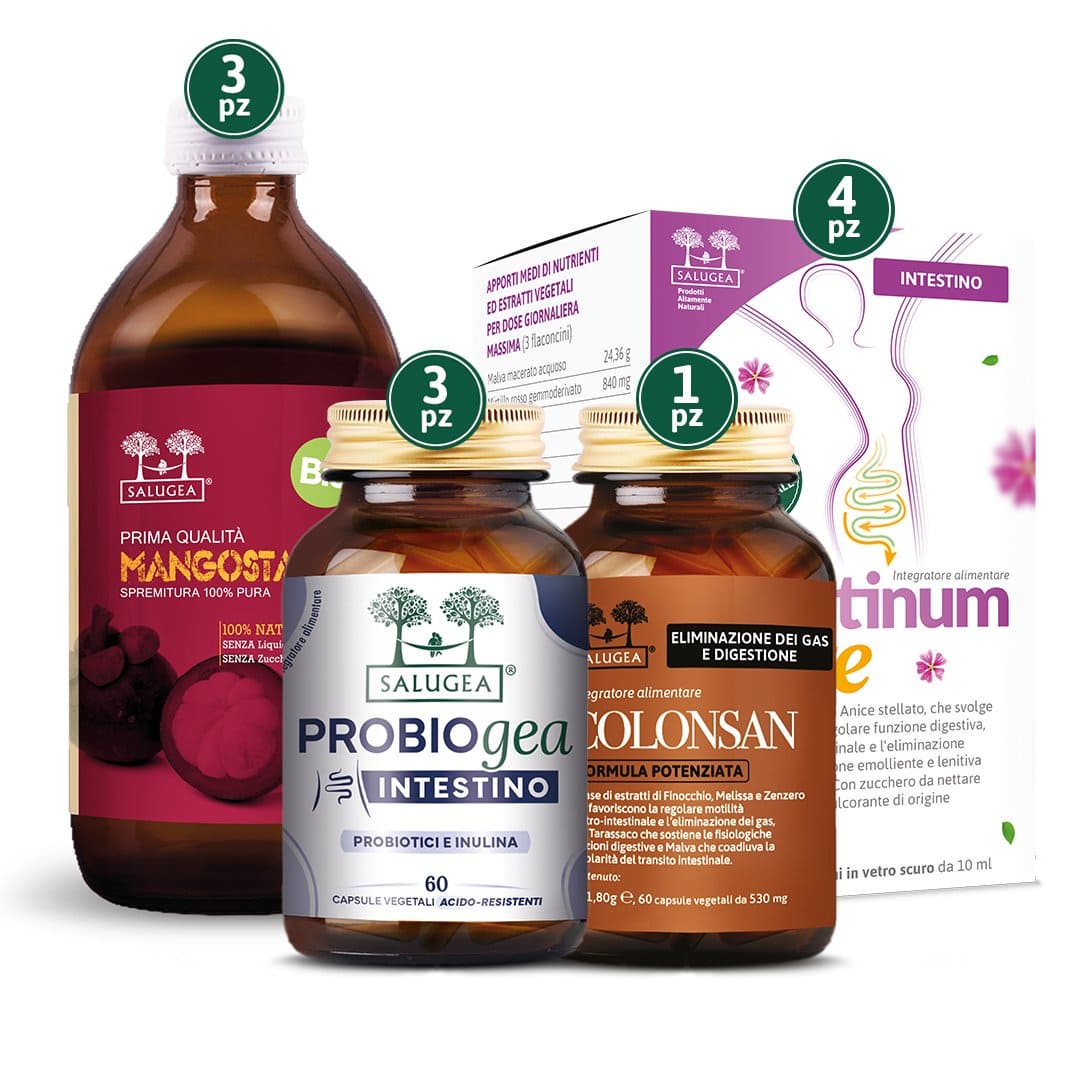
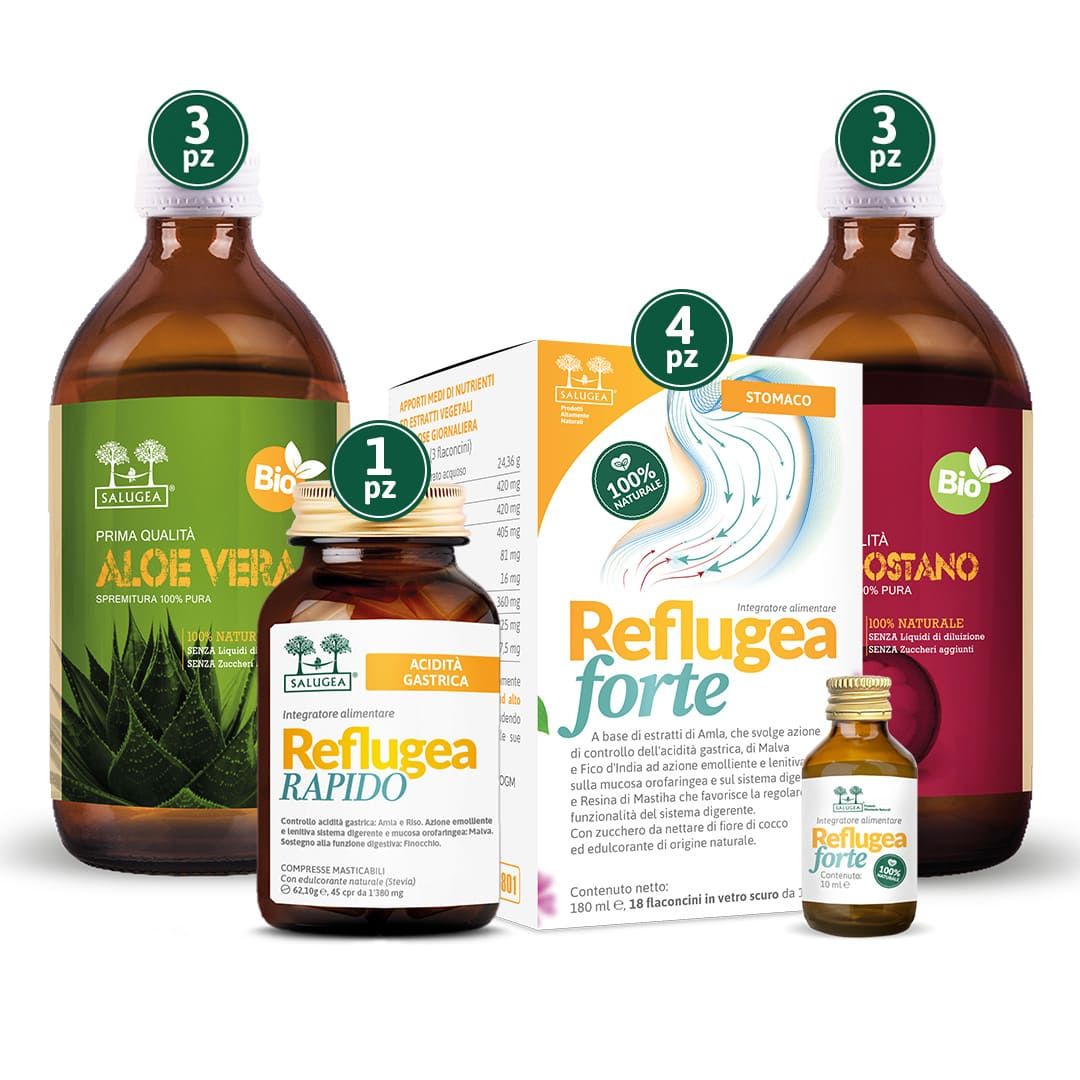
If your bloated belly and slow digestion are very stubborn, you can take the following alongside Colonsan Enhanced Formula:
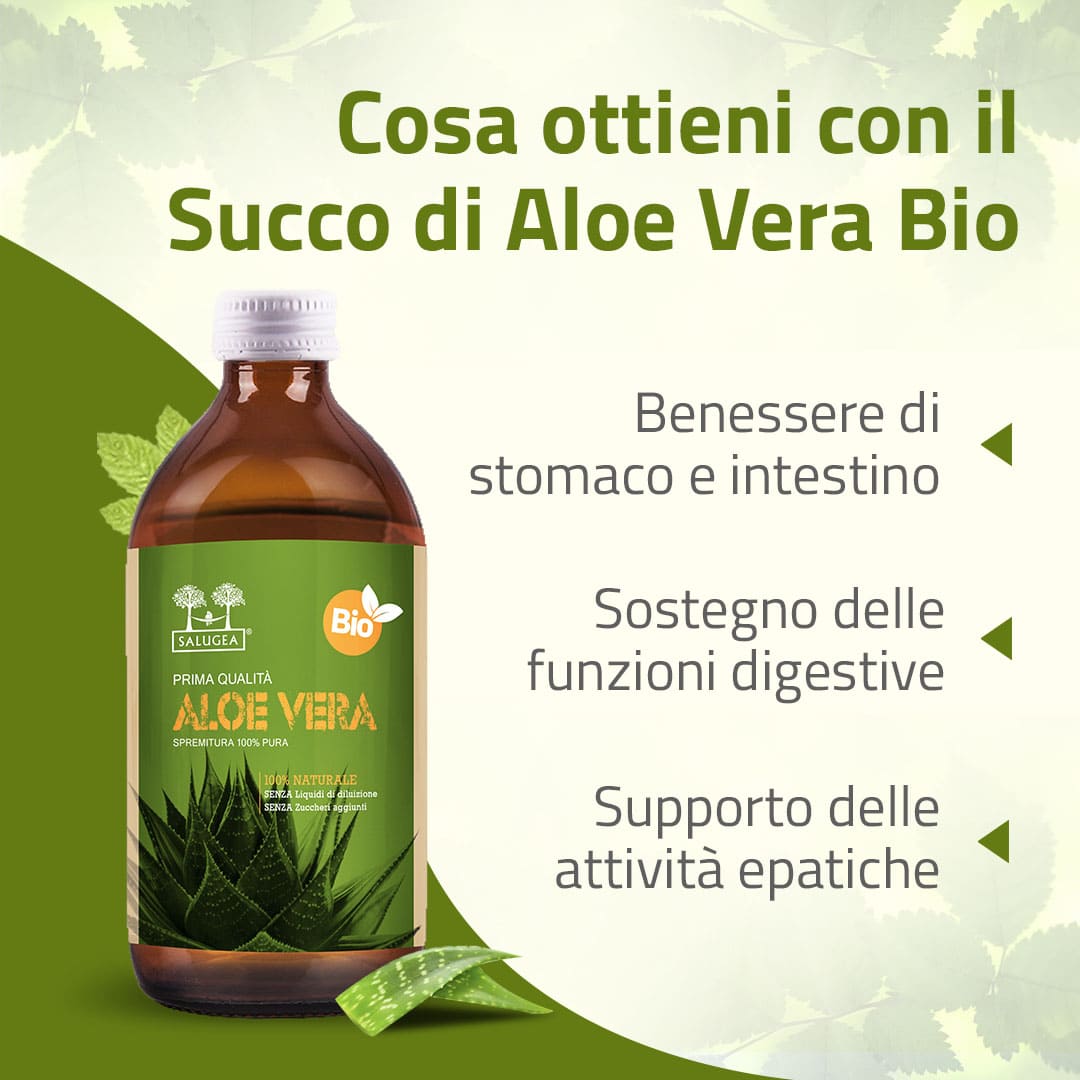
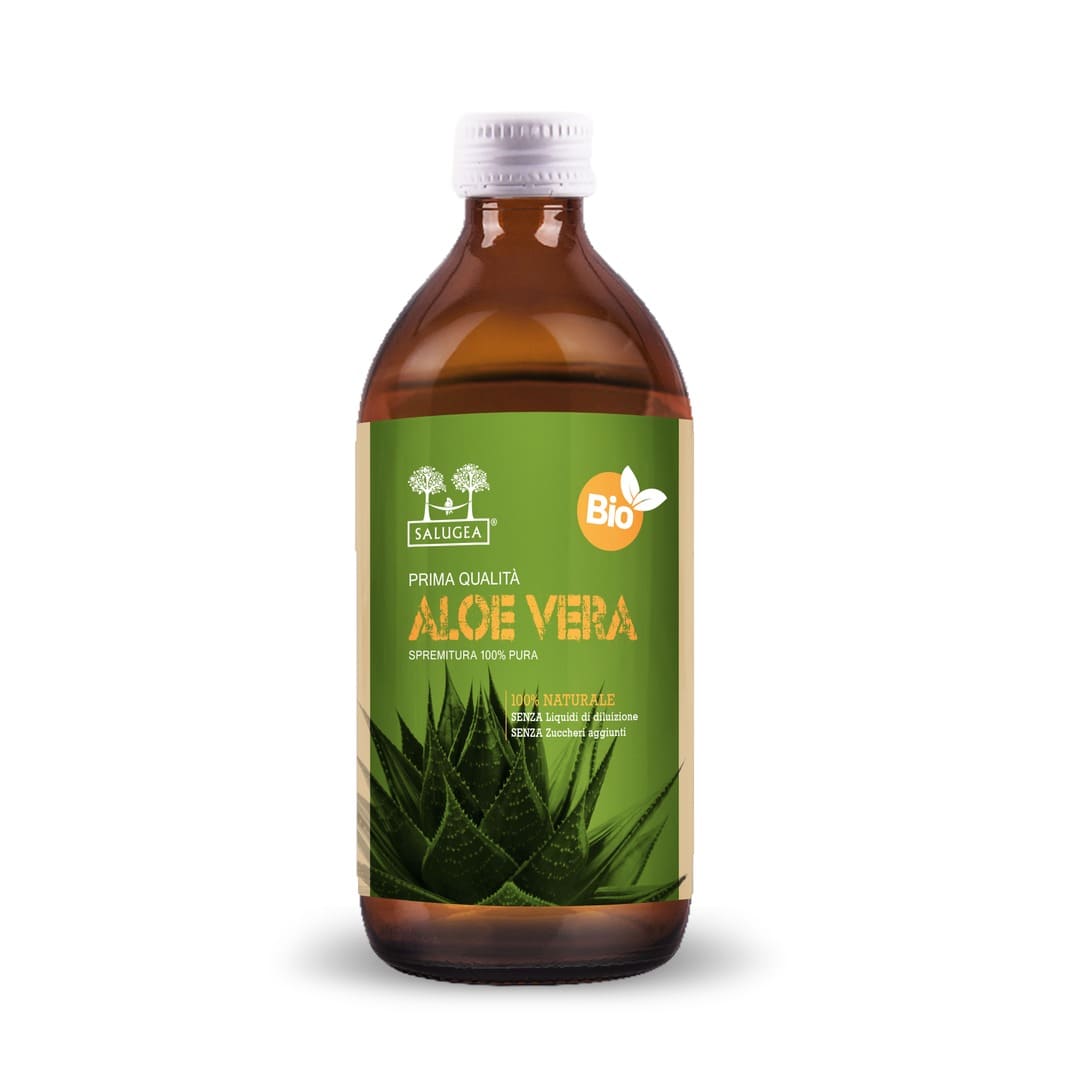
- Organic Aloe Vera Juice: the inflammation firefighter! Aloe vera juice is renowned for soothing inflammation throughout the digestive tract, and it improves the condition of the mucous membranes of the stomach and gut. It’s also a fantastic cleanser, which means it can clear away excess toxins and waste. And when you’re coming out of a period of unhealthy eating, or when the seasons change, a detox is definitely advisable.
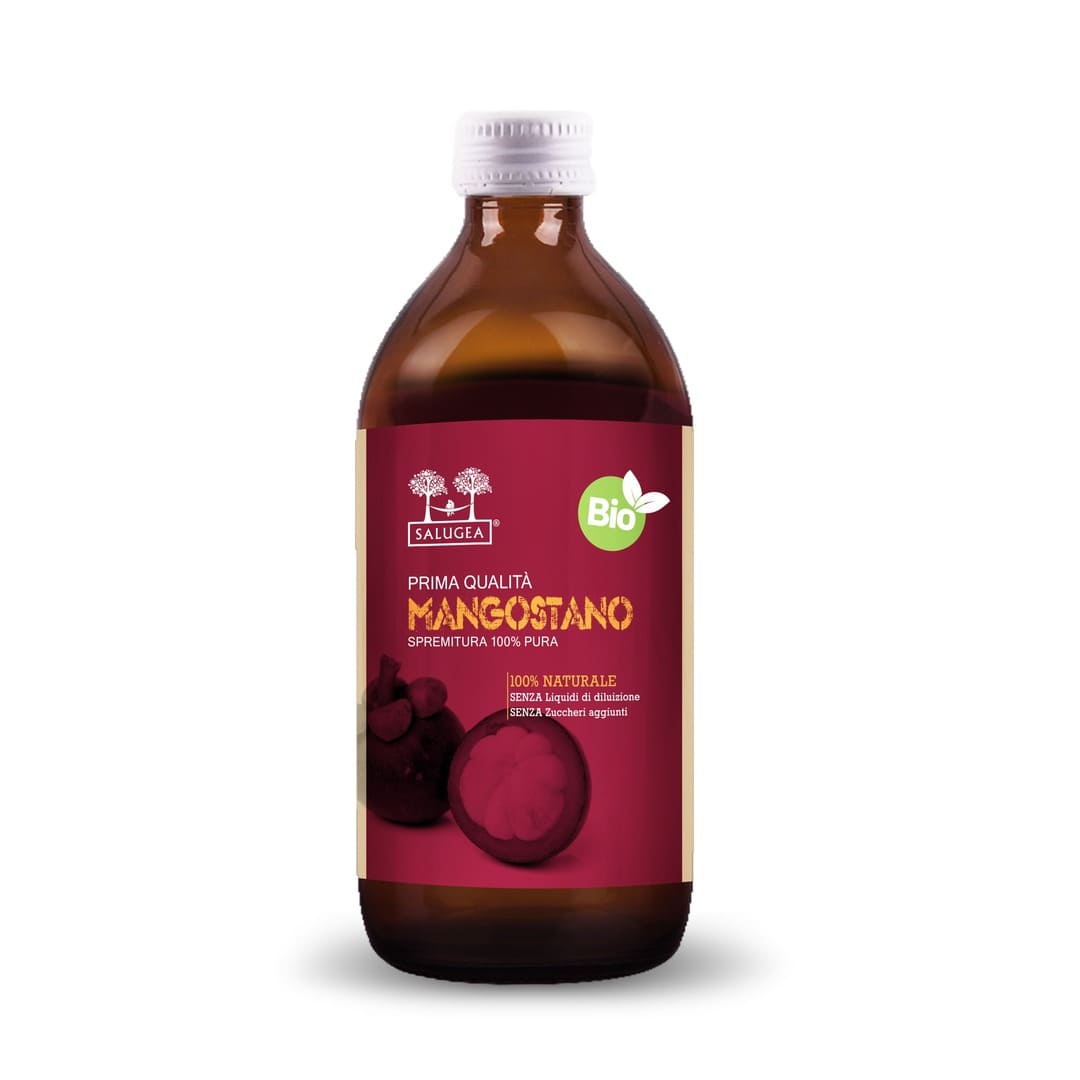
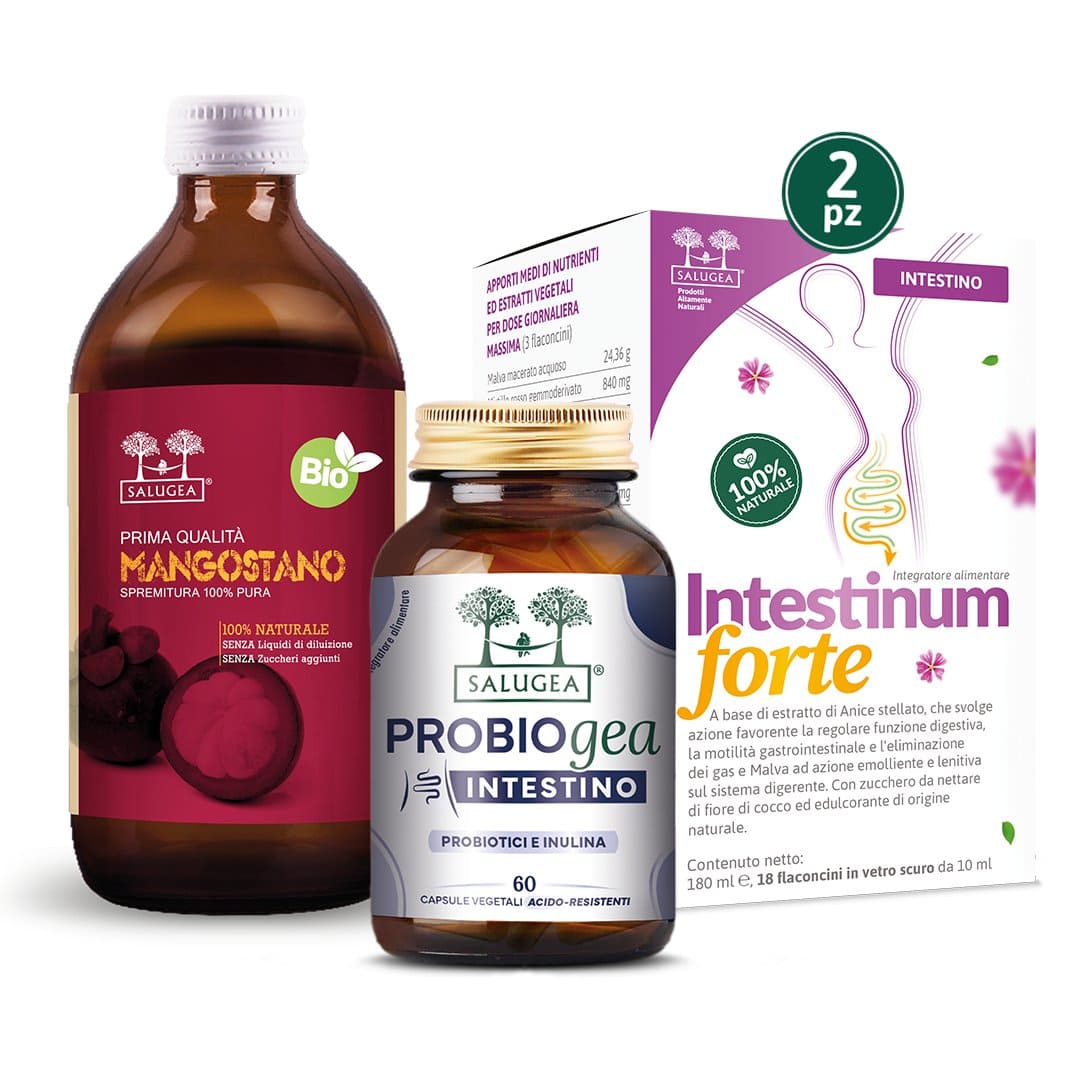
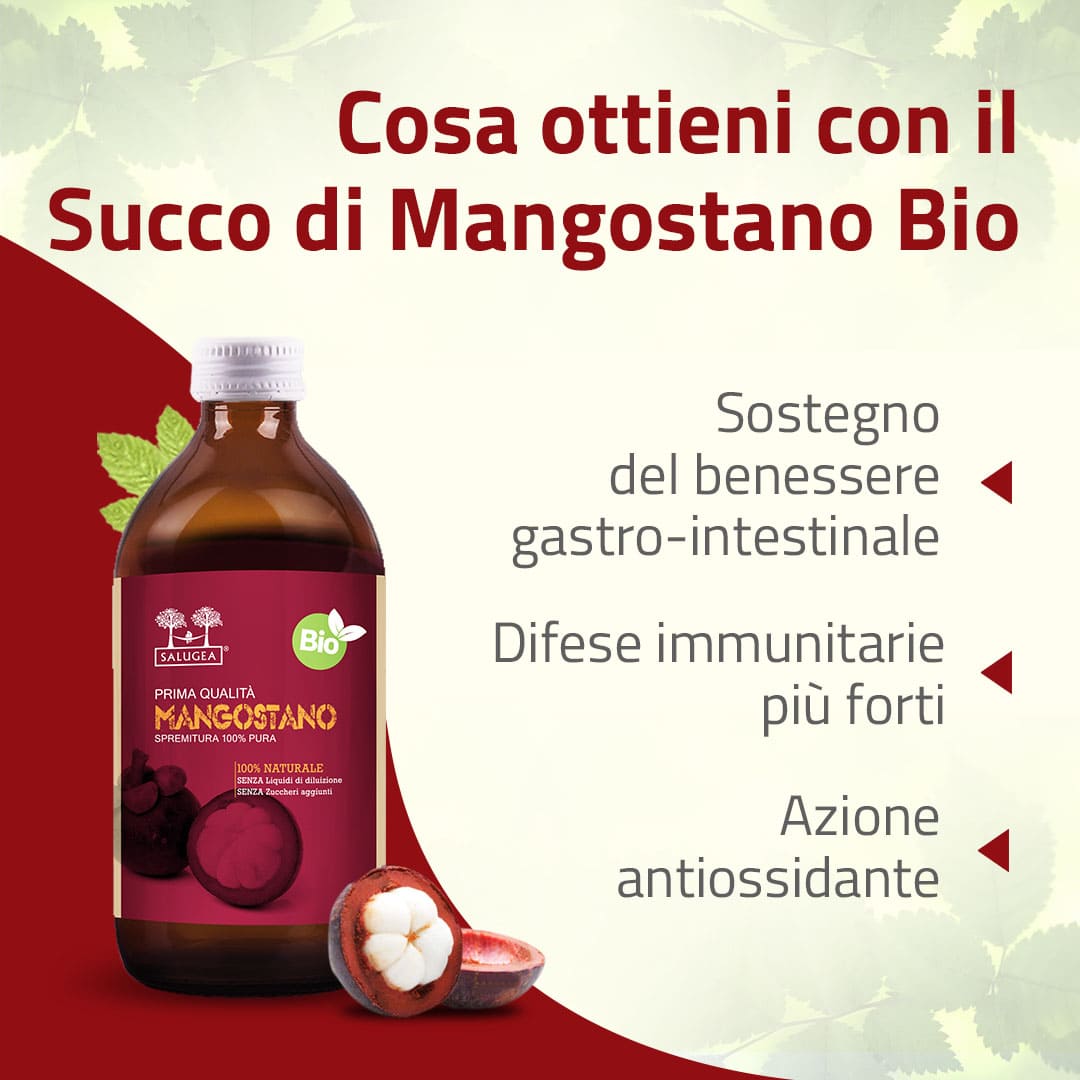
- Organic Mangosteen Juice: a fruit rich in antioxidants that protects the entire gastrointestinal tract. It’s perfect in cases of gastritis and oesophageal reflux, but also for tackling inflammation of the intestinal tract and restoring the intestinal mucosa as effectively as possible.
Bibliography
Gershon MD. The enteric nervous system: a second brain. Hosp Pract (1995). 1999;34(7):. doi:10.3810/hp.1999.07.153.
Focus.it - Come funziona l’intestino [How the gut works]