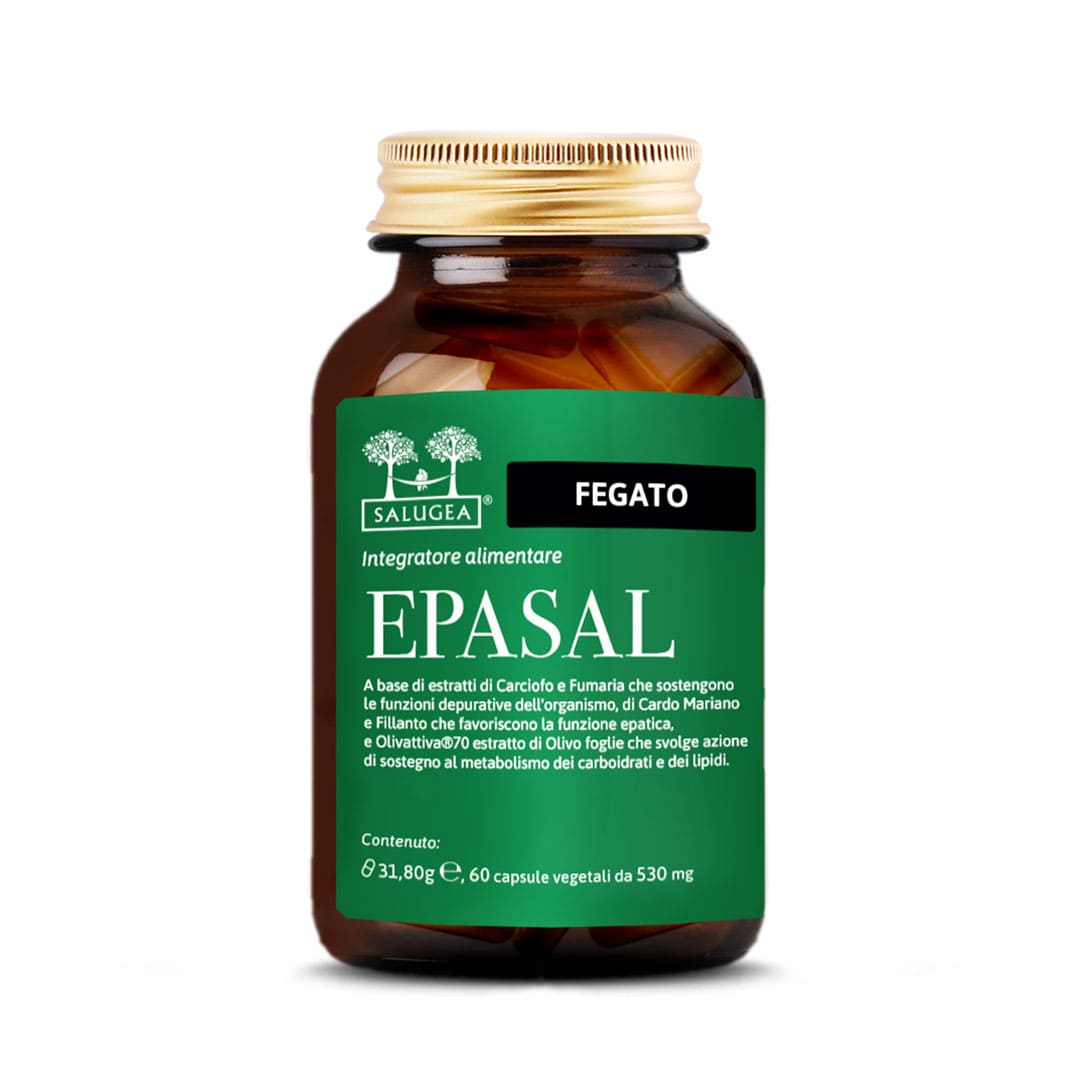
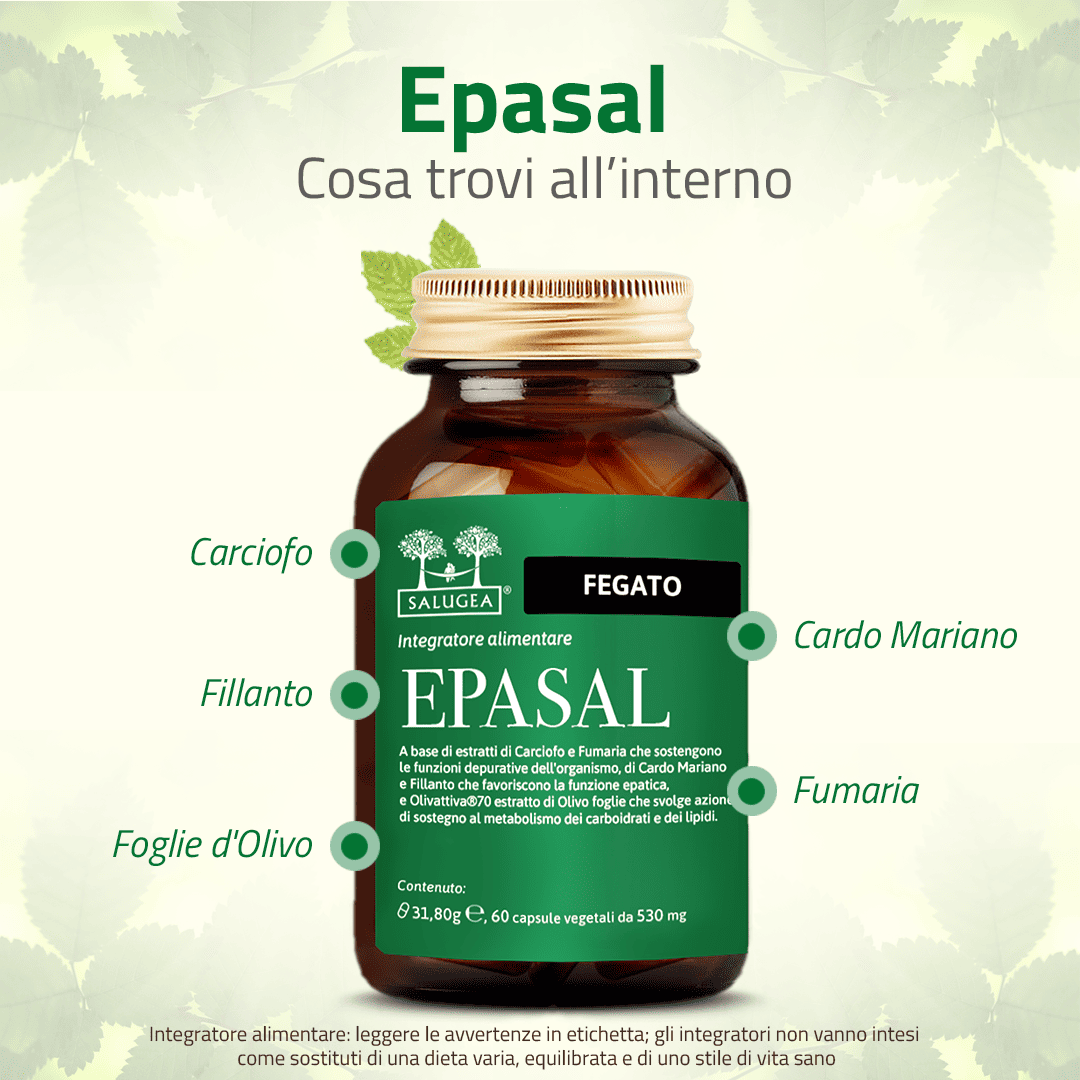
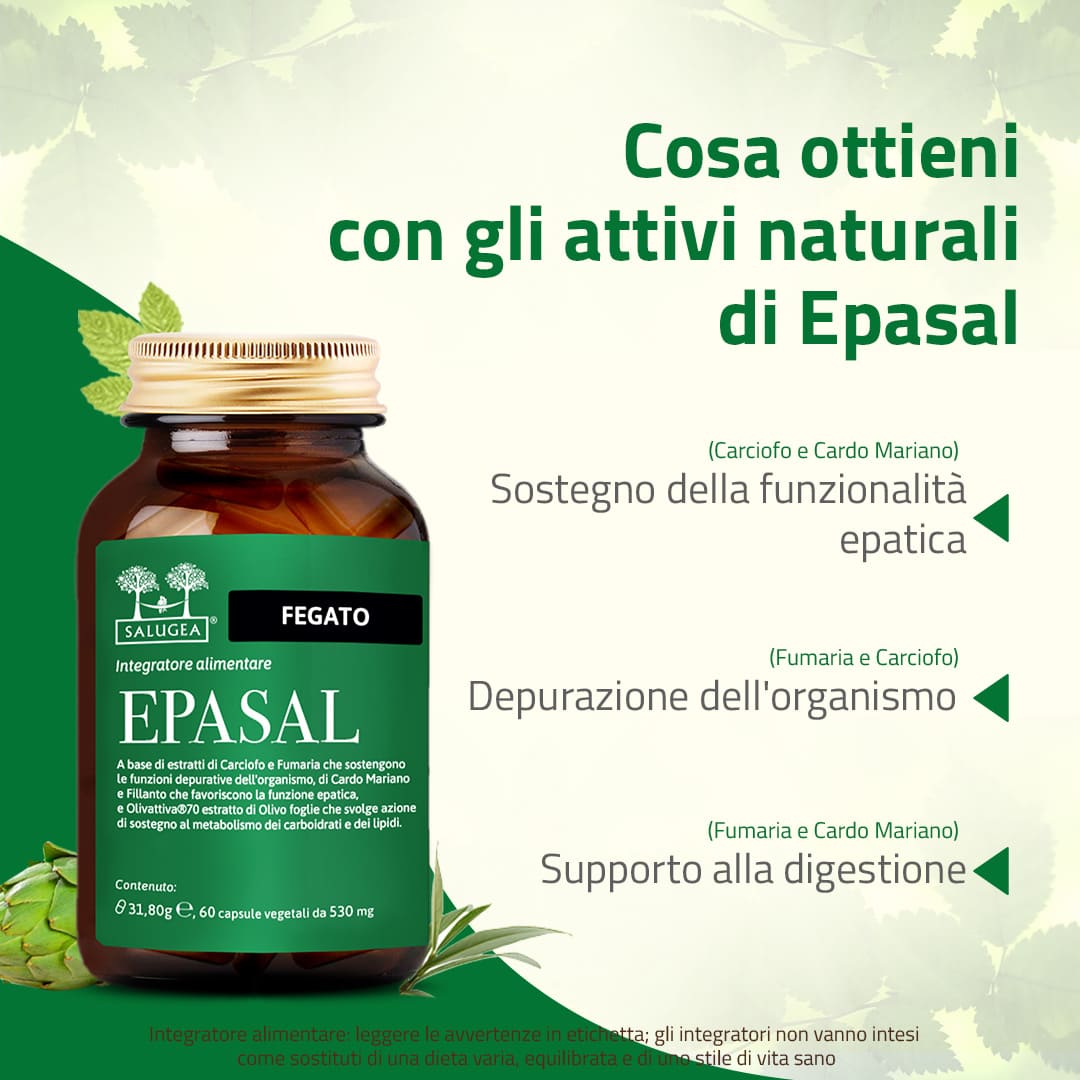
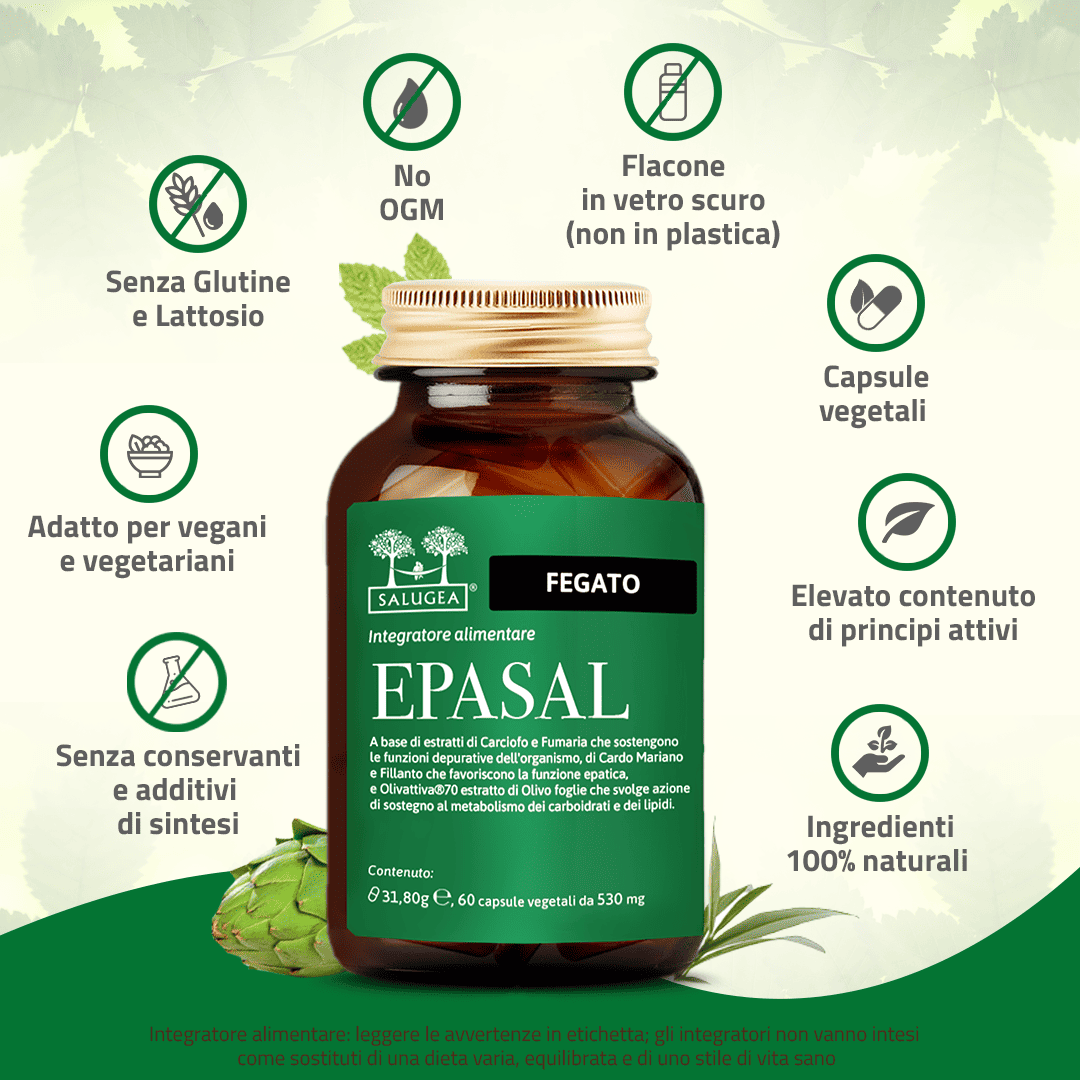
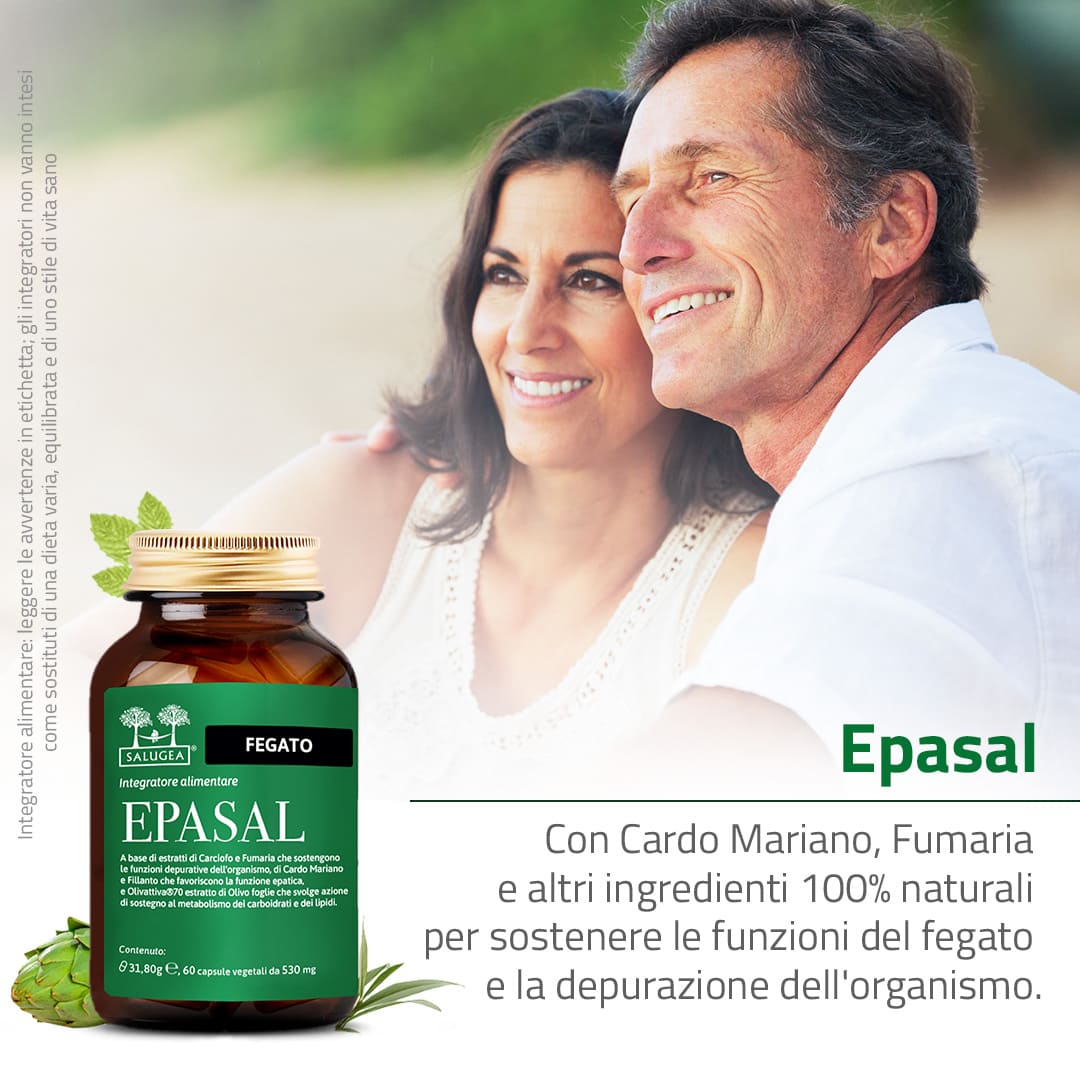
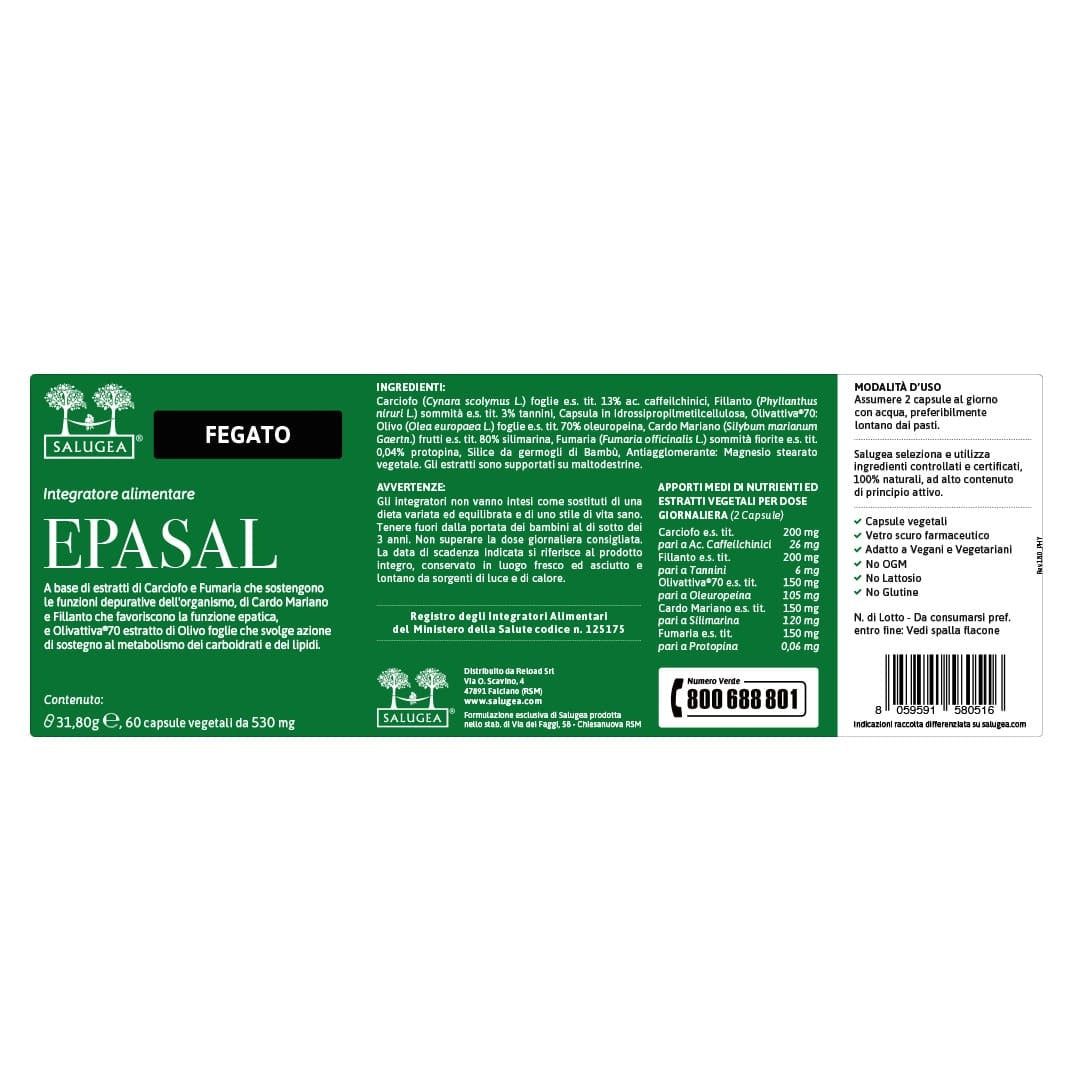
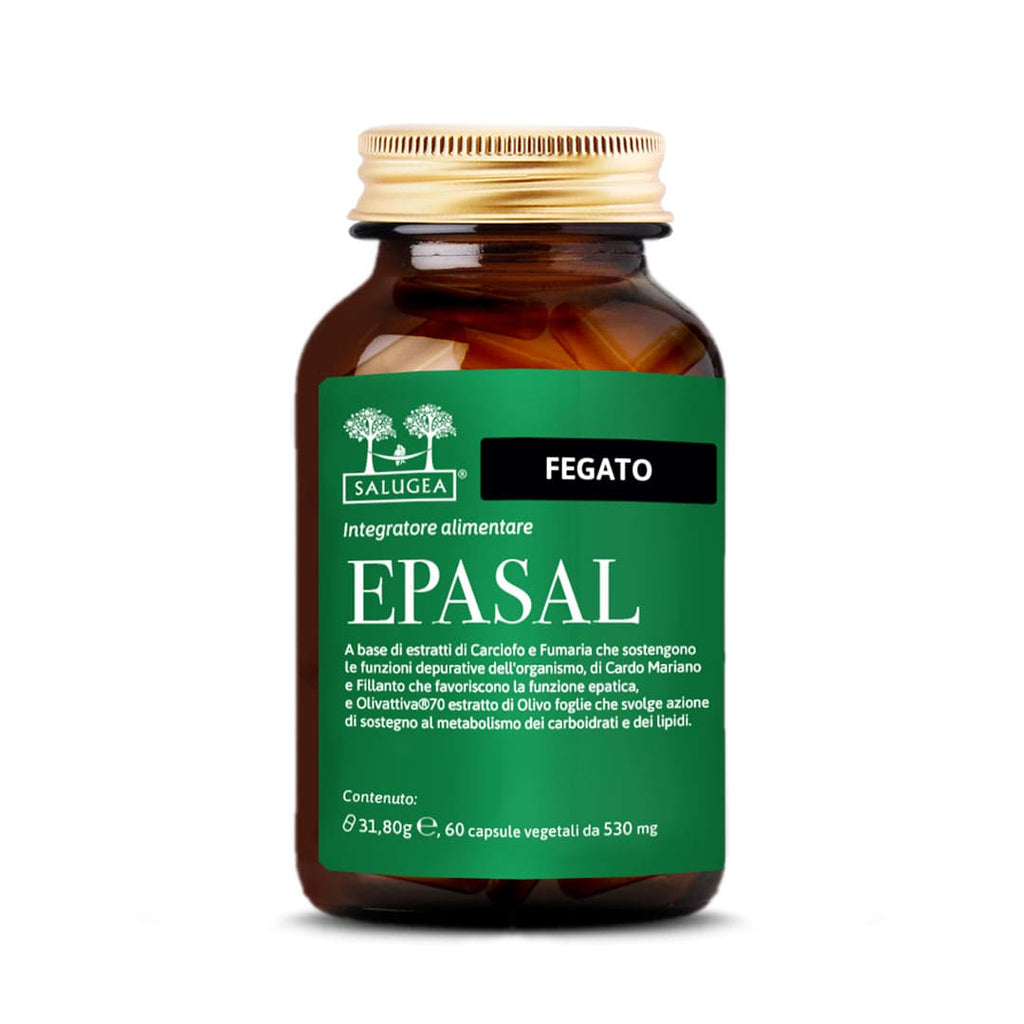
The liver is a very important organ for the human body, as it performs numerous metabolic functions. To name just a few, the liver produces bile, which allows the digestion of fats and fat-soluble vitamins, and acts as a glycogen store which, when needed, is converted into plasma glucose, our body’s main source of energy. The liver is also a true “filter”. In fact, it neutralises toxic substances and drug residues and disposes of damaged red blood cells. Once you understand how important this organ is, it is easy to see that cleansing the liver is the first step towards a healthy life full of energy.
Here are 6 main reasons to cleanse your liver periodically:
- because the liver is the most important gland in your body;
- because every day countless fundamental reactions for the body take place in this organ;
- because a poor diet, smoking, alcohol and medication put it under great strain;
- because if the liver works well, your stomach, gut and brain also perform at their best;
- because stress and, more generally, our unbalanced lifestyle lead to a faster decline in the function of liver cells;
- because many of the discomforts you may experience (digestive, intestinal, acne, tiredness, …) improve if you take good care of your liver first.
Bad habits kept up over time can lead to actual diseases affecting this organ. One condition that occurs frequently is steatosis or “fatty liver”. This develops when fats, particularly triglycerides, build up in the liver cells. This build-up is generally linked to a diet too rich in fats, the abuse of alcohol, the use of certain medications and also hormonal imbalances. Unfortunately, this condition has no symptoms and therefore often goes unnoticed. However, in 10% of cases it can cause inflammation and develop into cirrhosis. Cirrhosis is a chronic liver disease and a condition that can become irreversible. This disease limits liver function and can prove very dangerous. To avoid these problems and live in good health, it is therefore important to take care of your body, and your liver in particular, so as to maintain its physiological functions over time.
Let’s now look at some in-depth studies carried out on the active ingredients contained in Epasal.
Experimental Phytotherapy
ARTICHOKE
- Ben Salem M, Affes H, Ksouda K, Dhouibi R, Sahnoun Z, Hammami S, Zeghal KM. Pharmacological Studies of Artichoke Leaf Extract and Their Health Benefits. Plant Foods Hum Nutr. 2015 Dec;70(4):441-53. doi: 10.1007/s11130-015-0503-8. PMID: 26310198.
This research seems to indicate that artichoke does indeed have beneficial qualities for the body. The most significant effect appears to be on the liver. In animal studies, liquid extracts of artichoke roots and leaves have demonstrated the ability to protect the liver and probably also to help liver cells regenerate. Artichoke may also play a role in cholesterol control and therefore help promote cardiovascular wellbeing.
- Rangboo V, Noroozi M, Zavoshy R, Rezadoost SA, Mohammadpoorasl A. The Effect of Artichoke Leaf Extract on Alanine Aminotransferase and Aspartate Aminotransferase in the Patients with Nonalcoholic Steatohepatitis. Int J Hepatol. 2016;2016:4030476. doi: 10.1155/2016/4030476. Epub 2016 May 11. PMID: 27293900; PMCID: PMC4879230.
This study assessed the effects of artichoke on biochemical and liver biomarkers in patients with non-alcoholic steatohepatitis (NASH). Non-alcoholic steatohepatitis is a liver disease involving inflammation, scarring and tissue death. It is not caused by alcohol consumption, but by metabolic dysfunction and an excessive presence of fat inside the cells. A comparison of the markers before and after 2 months of treatment with artichoke extract showed an improvement in liver enzymes. Triglyceride and cholesterol levels were significantly reduced in the artichoke group compared with the placebo group. This study therefore draws attention to the potential hepatoprotective activity and the hypolipidaemic effect of artichoke in the management of non-alcoholic steatohepatitis.
PHYLLANTHUS
- Lee NY, Khoo WK, Adnan MA, Mahalingam TP, Fernandez AR, Jeevaratnam K. The pharmacological potential of Phyllanthus niruri. J Pharm Pharmacol. 2016 Aug;68(8):953-69. doi: 10.1111/jphp.12565. Epub 2016 Jun 10. PMID: 27283048.
This review considers the scientific literature on the potential properties of Phyllanthus from 1980 to 2015. The data analysed suggest that Phyllanthus extracts possess hepatoprotective properties, as well as hypolipidaemic, hypoglycaemic, cardioprotective, antiurolithic and antihyperuricaemic properties, thanks to their bioactive compounds. In particular, the scientific evidence suggests that there is strong potential for the use of Phyllanthus in liver disorders.
MILK THISTLE
- Hackett ES, Twedt DC, Gustafson DL. Milk thistle and its derivative compounds: a review of opportunities for treatment of liver disease. J Vet Intern Med. 2013 Jan-Feb;27(1):10-6. doi: 10.1111/jvim.12002. Epub 2012 Nov 9. PMID: 23140176.
Milk Thistle extracts have been used for centuries as a “liver tonic”. In recent years, in particular, the active ingredient silibinin has been studied. In vitro and in vivo studies have been carried out to assess its beneficial effects in liver diseases. In essence, silibinin was found to increase antioxidant concentrations and to improve outcomes in liver diseases resulting from oxidative injury. Treatment with silibinin has therefore been associated with protection against liver toxins and with a reduction in liver inflammation and fibrosis.
FUMITORY
- Aktay G, Deliorman D, Ergun E, Ergun F, Yeşilada E, Cevik C. Hepatoprotective effects of Turkish folk remedies on experimental liver injury. J Ethnopharmacol. 2000 Nov;73(1-2):121-9. doi: 10.1016/s0378-8741(00)00286-5. PMID: 11025147.
Fumitory extracts show a significant ability to prevent the rise in plasma malondialdehyde, a compound that indicates a high level of fat oxidation in the blood (and therefore of cardiovascular risk), and in liver enzymes such as AST and ALT, which occurs when liver function is impaired. The beneficial effects of Fumitory can be attributed to its potential hepatoprotective action.
OLIVE LEAVES
- Barbaro B, Toietta G, Maggio R, Arciello M, Tarocchi M, Galli A, Balsano C. Effects of the olive-derived polyphenol oleuropein on human health. Int J Mol Sci. 2014 Oct 14;15(10):18508-24. doi: 10.3390/ijms151018508. PMID: 25318054; PMCID: PMC4227229.
This review assessed the effects of olive derivatives, in particular oleuropein, a polyphenol that is very abundant in this plant. Specifically, in mice, the administration of oleuropein was found to have hepatoprotective and functional effects on liver damage induced by carbon tetrachloride. In addition, a diet supplemented with oleuropein reduces induced hepatic steatosis and the progression to non-alcoholic steatohepatitis (NASH) in mice fed a high-fat diet. The data collected during this study confirmed that oleuropein supplementation is able to reduce the build-up of lipids in the liver of mice fed a high-fat diet. A smaller increase in body, liver and heart weight was also observed in mice fed a diet enriched with oleuropein. Previous work on rats fed olive leaf extract suggested that the reduction in liver weight could be attributable to reduced deposition of collagen and fat. This effect of oleuropein has been associated with the down-regulation of hepatic lipogenesis (fatty acid synthesis) and the up-regulation of visceral fat thermogenesis. In other words, on the one hand the production of fatty acids is reduced and, on the other, the burning of visceral fat is increased. All this evidence makes olive leaf extract a useful ingredient for protecting and cleansing the liver.
- Priore P, Cavallo A, Gnoni A, Damiano F, Gnoni GV, Siculella L. Modulation of hepatic lipid metabolism by olive oil and its phenols in nonalcoholic fatty liver disease. IUBMB Life. 2015 Jan;67(1):9-17. doi: 10.1002/iub.1340. Epub 2015 Jan 28. PMID: 25631376.
The most common chronic liver disease in Western countries is non-alcoholic fatty liver disease3. It is considered the hepatic manifestation of metabolic syndrome. Cumulative evidence suggests that the use of olive oil as the primary source of fat in Mediterranean populations may play a key role in the health benefits observed for this condition. This review analyses the biochemical mechanisms responsible for the increase or decrease in liver lipid content, bearing in mind that different studies have often produced different and/or conflicting results in animal models fed a diet enriched with olive oil. New findings highlighting the hypolipidaemic and anti-steatotic action of olive oil phenols are also presented. The studies cited above, and many others published in the literature, suggest that supplementing with olive extracts may be useful for supporting liver wellbeing.
Bibliography
[1] Hackett ES, Twedt DC, Gustafson DL. Milk thistle and its derivative compounds: a review of opportunities for treatment of liver disease. J Vet Intern Med. 2013 Jan-Feb;27(1):10-6. doi: 10.1111/jvim.12002. Epub 2012 Nov 9. PMID: 23140176.
[2] Gillessen A, Schmidt HH. Silymarin as Supportive Treatment in Liver Diseases: A Narrative Review. Adv Ther. 2020 Apr;37(4):1279-1301. doi: 10.1007/s12325-020-01251-y. Epub 2020 Feb 17. PMID: 32065376; PMCID: PMC7140758.
[3] Barbaro B, Toietta G, Maggio R, Arciello M, Tarocchi M, Galli A, Balsano C. Effects of the olive-derived polyphenol oleuropein on human health. Int J Mol Sci. 2014 Oct 14;15(10):18508-24. doi: 10.3390/ijms151018508. PMID: 25318054; PMCID: PMC4227229.
Our texts are for information purposes only; they are not to be understood as an indication for the diagnosis and treatment of medical conditions and are in no way intended to replace the advice of a doctor.