The skin is an organ in its own right.
And not just any organ, but one of the largest in the entire human body: around 2 square metres!
Its average thickness ranges from 0.5 (eyelids) to 5 mm (palms of the hands and soles of the feet).
Numbers aside, the skin is the only organ we can touch every day and see change over time.
And it is precisely the changes in the skin, especially skin ageing, that prompt so many people to take care of it in order to preserve its structure and integrity.
Before delving into the active ingredients best suited to this, let’s take a step back and find out how the skin is made up, how many skin types there are (phototypes), the daily actions that keep skin young and why skin ages.
Skin structure
The skin is made up of 3 layers:
- Epidermis: the outer part. It is tough, flexible and impermeable to water and ions. It is made up of keratin and melanocytes.
- Dermis: the layer beneath, and the thickest one. It consists of connective tissue, which in turn is 70% made up of Collagen, Elastin, Glycosaminoglycans (Hyaluronic acid, Chondroitin sulphate) and Proteoglycans. The cells found in the dermis are the Fibroblasts, together with Macrophages, Mast cells and Lymphocytes, which come from the capillary circulation. The presence of lymphocytes shows that the skin already contains part of the immune and defence system, which is activated in the event of superficial wounds.
- Subcutaneous Layer or Hypodermis: the deepest layer, made up of adipose tissue, collagen, larger blood vessels, nerves and lymphatic vessels. It anchors the skin to the underlying muscle layers.
How many skin types are there?
- Phototype I: very fair skin, red hair, light eyes, always burns, never tans, a great many freckles;
- Phototype II: fair skin, blond hair, light eyes, always burns, tans minimally, many freckles;
- Phototype III: intermediate skin, dark blond/light brown hair, brown eyes, does not burn easily, tans slowly (medium tan), some freckles;
- Phototype IV: olive skin, black/dark brown hair, dark eyes, rarely burns, always tans (dark tan), no freckles;
- Phototype V: dark skin, black hair, dark eyes, almost never burns, always tans (very dark tan), no freckles;
- Phototype VI: black skin, black hair, very dark eyes, never burns, no freckles.
Good daily habits for beautiful skin
- Drink: it is important to drink at least 1.5–2 litres of water every day; avoid alcohol and spirits.
- Eat: pay attention to your diet, choosing fresh foods, especially vegetables, pulses, fish, wholegrains and fruit; use gentle cooking methods and avoid excessive dressings and sauces.
- Don’t smoke: cigarette smoke (including passive smoking) reduces blood supply and cell oxygenation.
- Moisturise your skin: hydrate the surface of your skin by choosing cosmetics from natural sources.
- Protect your skin from the sun: it is good practice to protect your skin from the sun every day with SPF 30/50 depending on your phototype, even when you are in the city, especially during the summer months.
- Use antioxidants: both through your diet and with supplements, to neutralise free radicals and slow down the ageing process.
- Use regenerating active ingredients: through supplementation, take natural active ingredients that stimulate fibroblast vitality and the production of collagen and elastin, and counteract tissue degradation.
Why skin ages
Skin ageing occurs through two main mechanisms: intrinsic and extrinsic.
- Intrinsic ageing is genetically based and inevitable; it progresses with age and causes atrophy and a reduction in fibroblasts, sebaceous glands and dermal thickness, as well as thinning of the blood vessels.
Collagen fibres are particularly affected by this process, which results from the accumulation of irreversible functional changes in fibroblasts associated with ageing2. Skin starts to age from as early as 213, although the major changes, at least in women, are seen after the menopause, with a loss of around 30% of collagen in the first 5 years4.
- Extrinsic ageing mainly results from damage caused by ultraviolet radiation and by: cigarette smoke, air pollution, frequent contact with chemical/thermal sources, alcohol abuse and a poor diet.
How drinkable collagen can counteract ageing
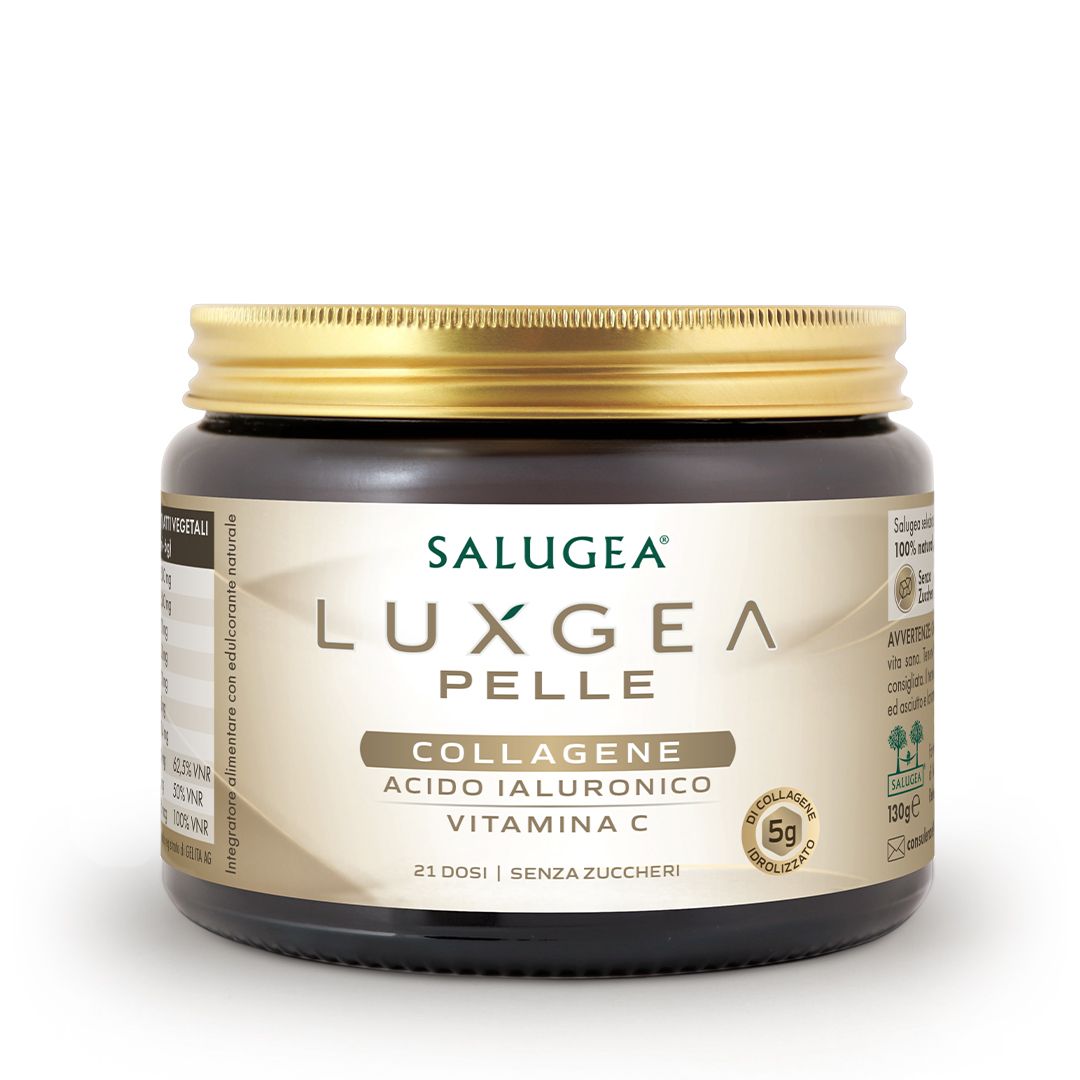
Collagen is an essential molecule for the elasticity of skin and cartilage. Not all collagen supplements are the same. In LuxGea Pelle we have selected the most useful and functional form for skin wellbeing and beauty, just as in our Cartilagea supplement we chose the one best suited to supporting cartilage wellbeing.
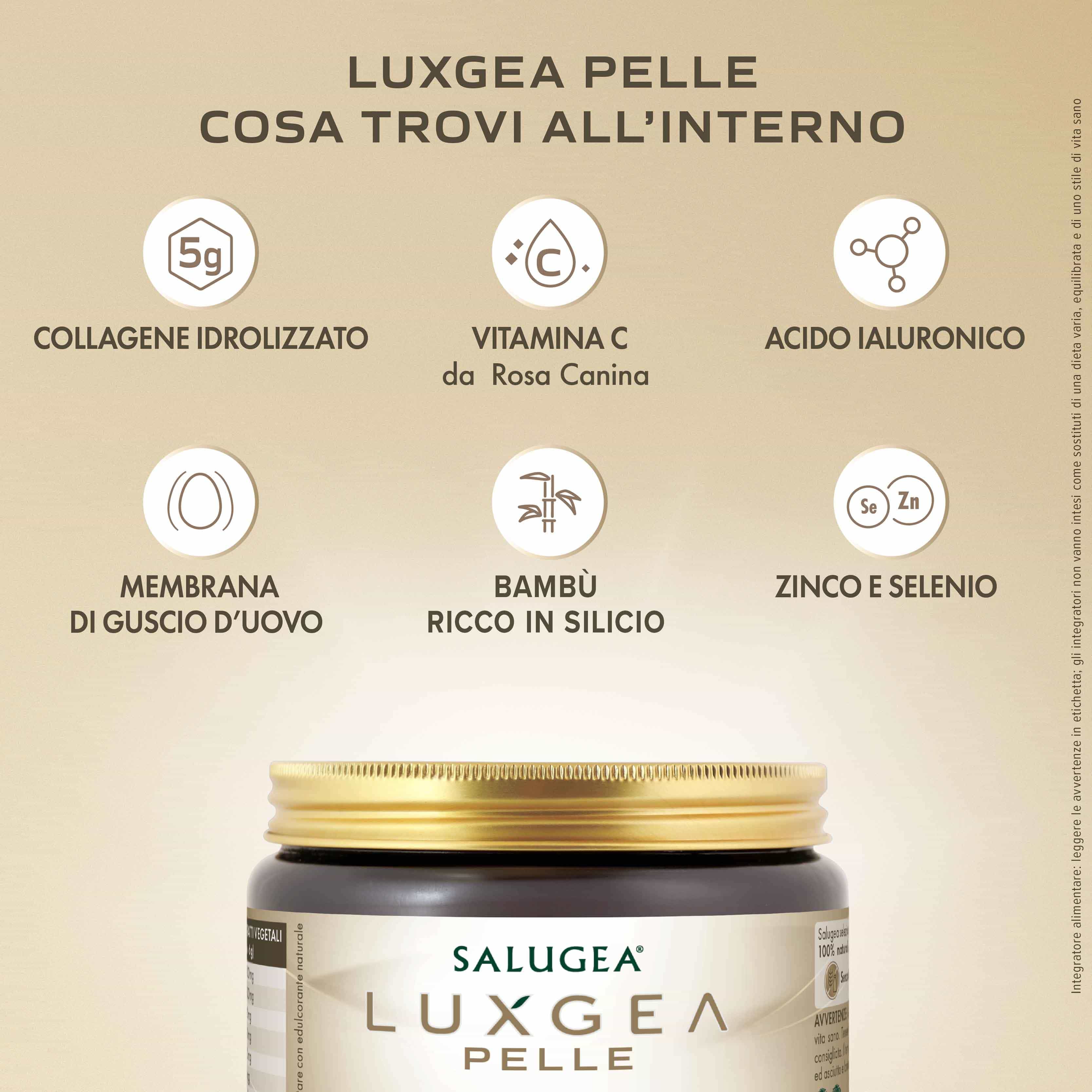
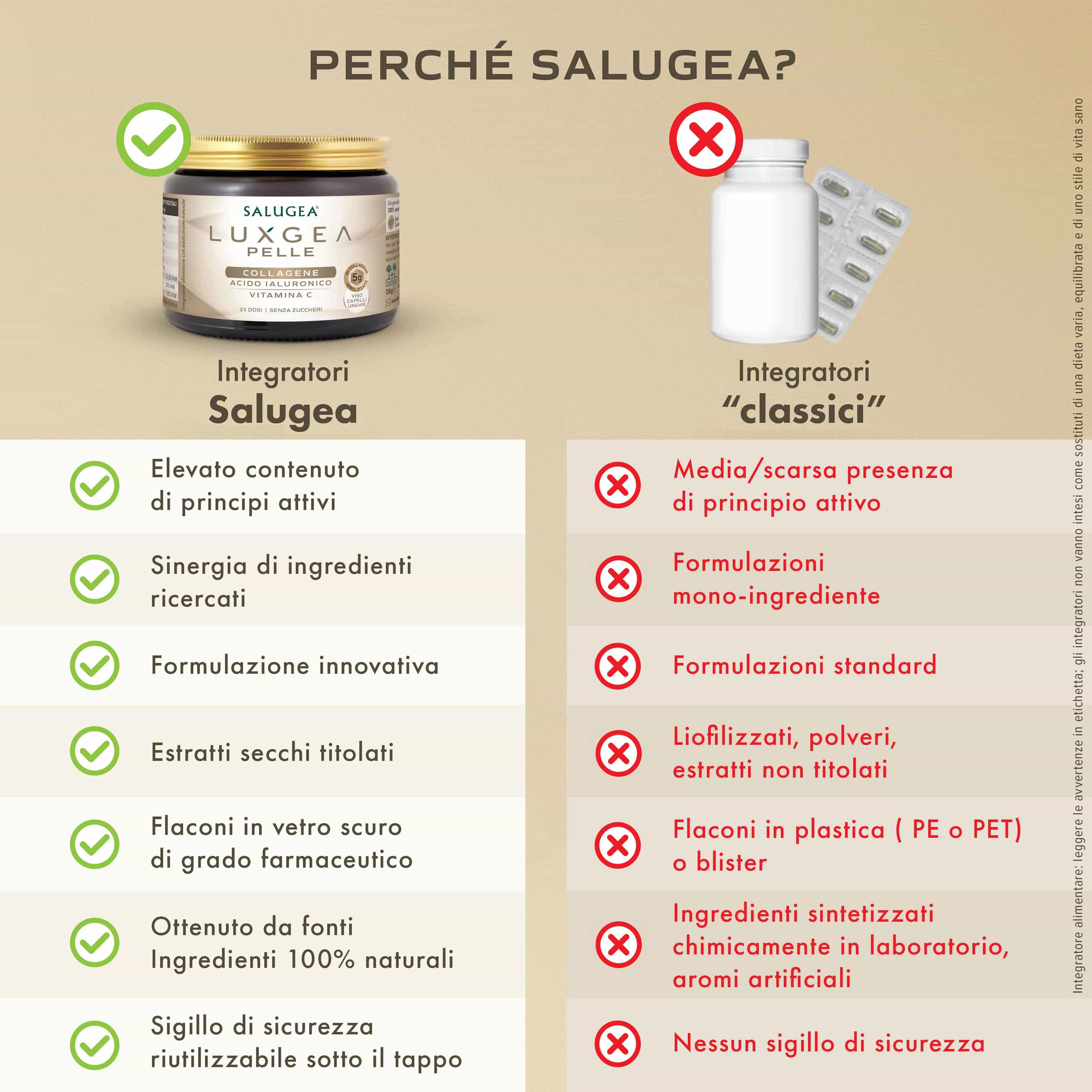
Even on its own, a drinkable collagen supplement is useful for preventing and counteracting the signs of ageing, but its action is limited compared with a more complete formula, enriched with hyaluronic acid, silicon, vitamin C and minerals.
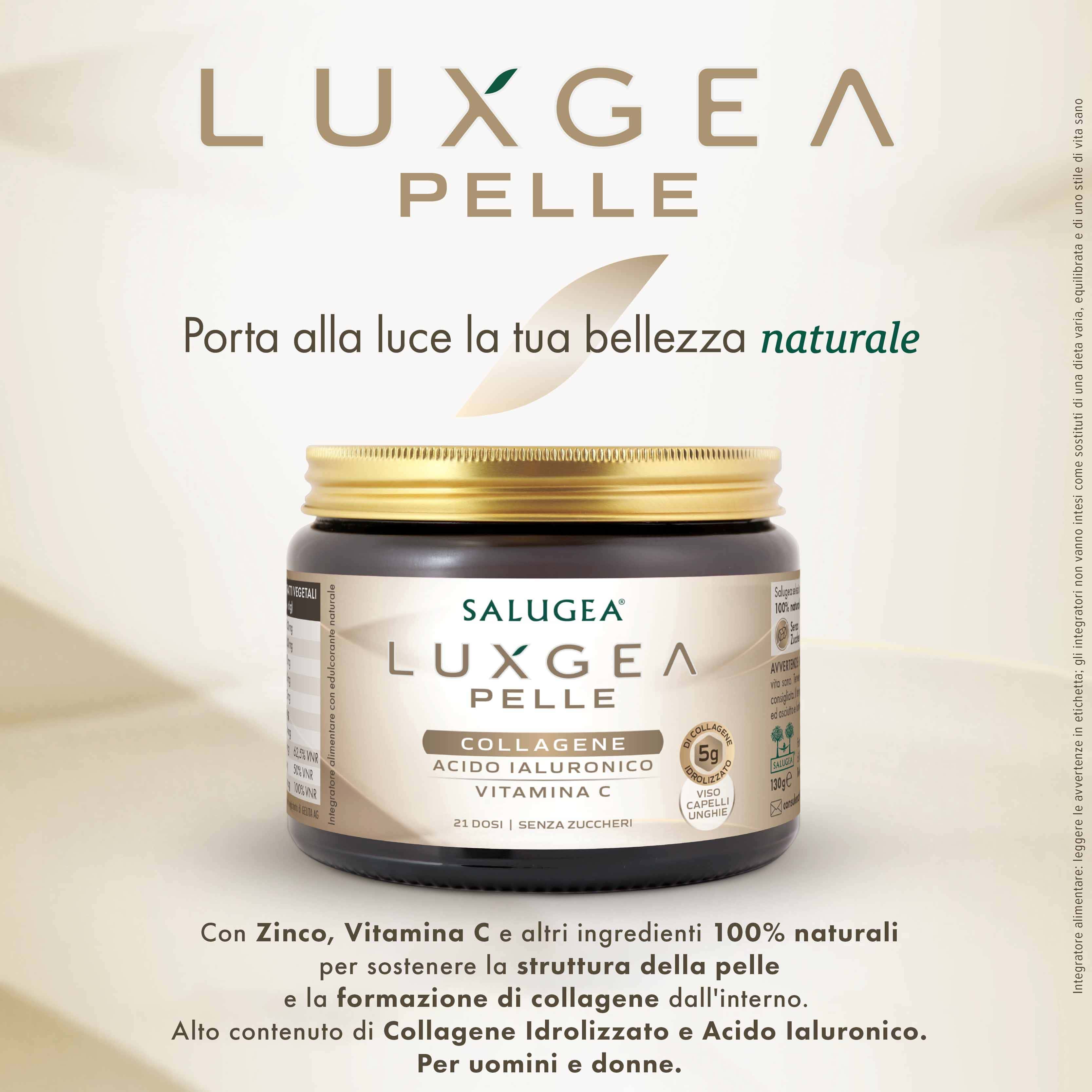
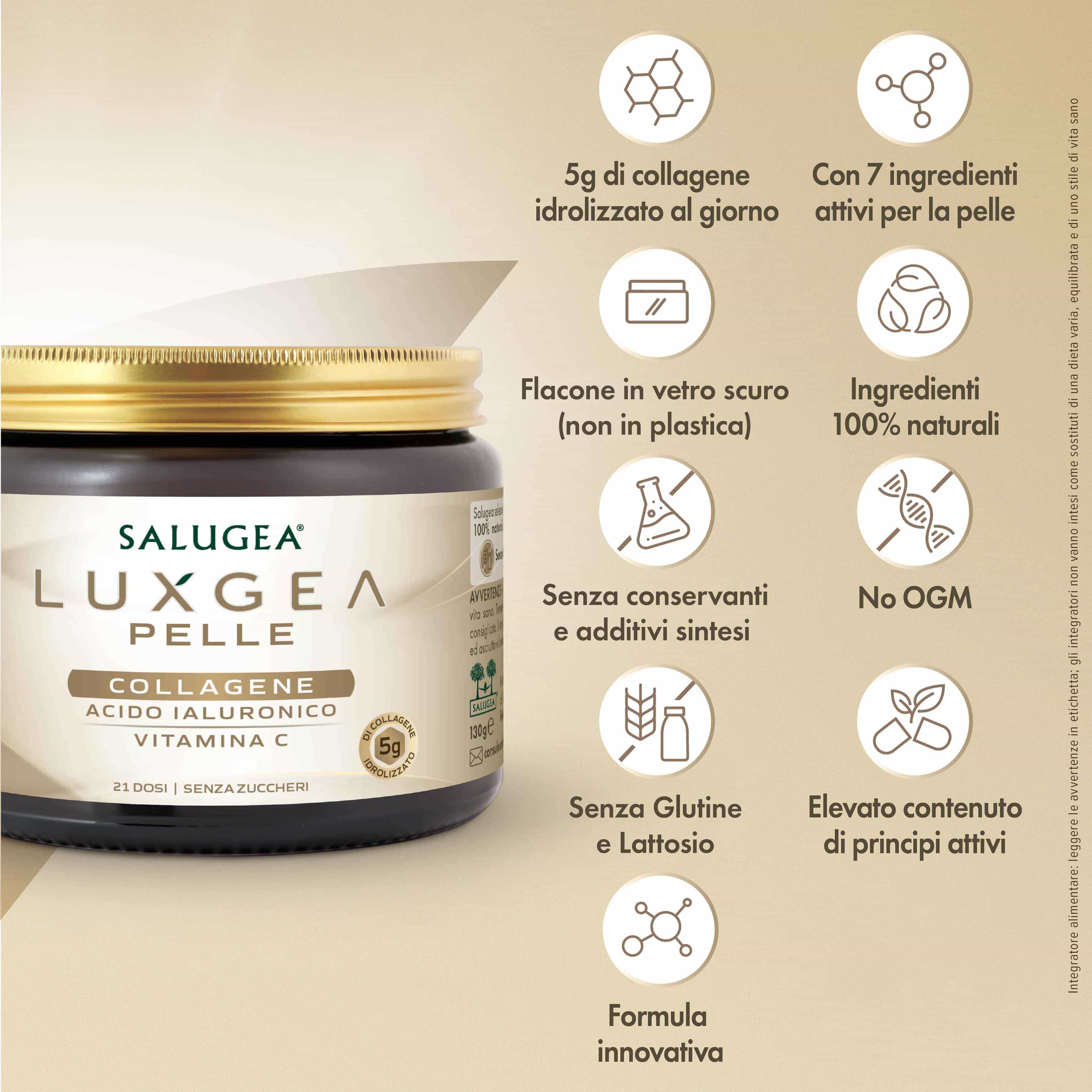
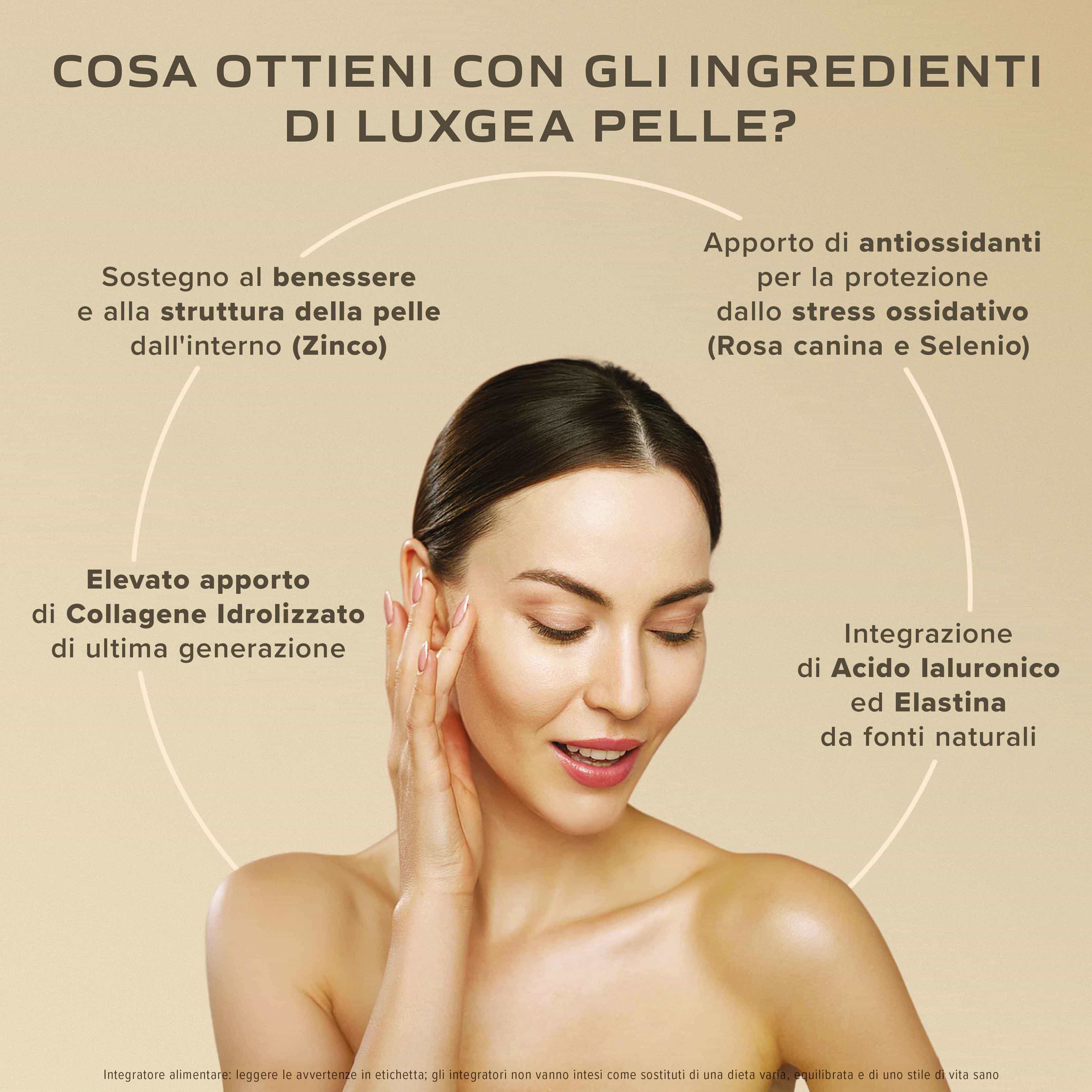
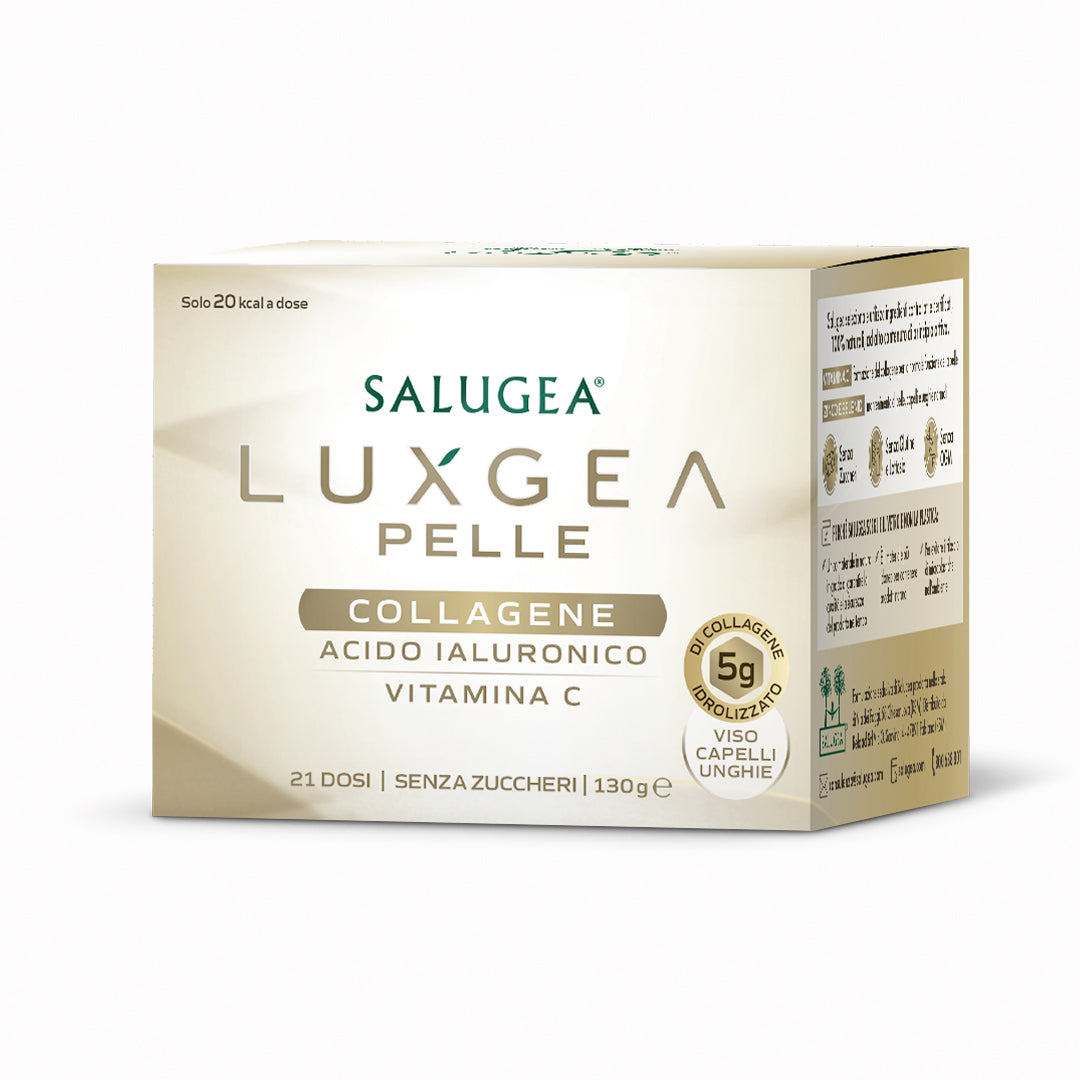
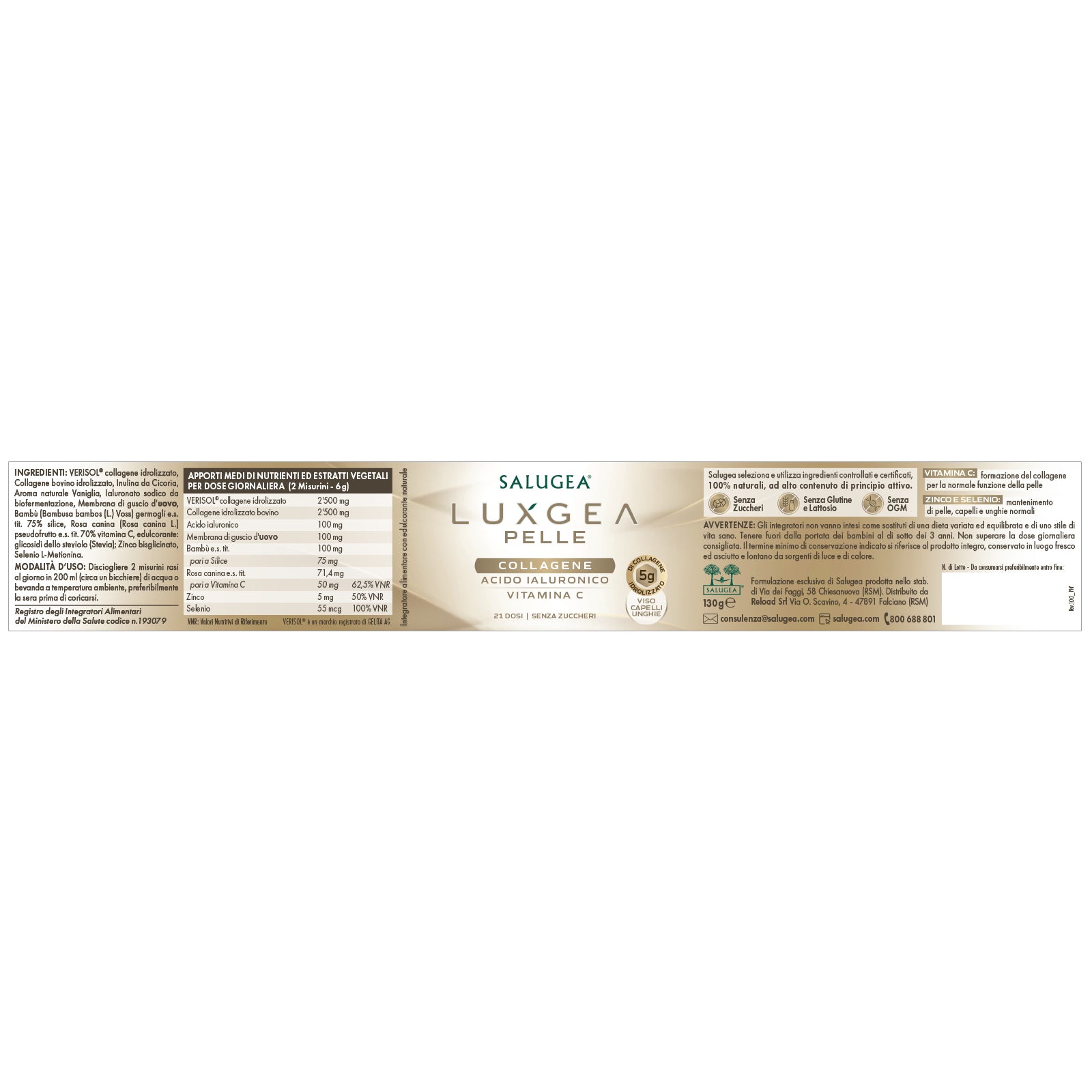
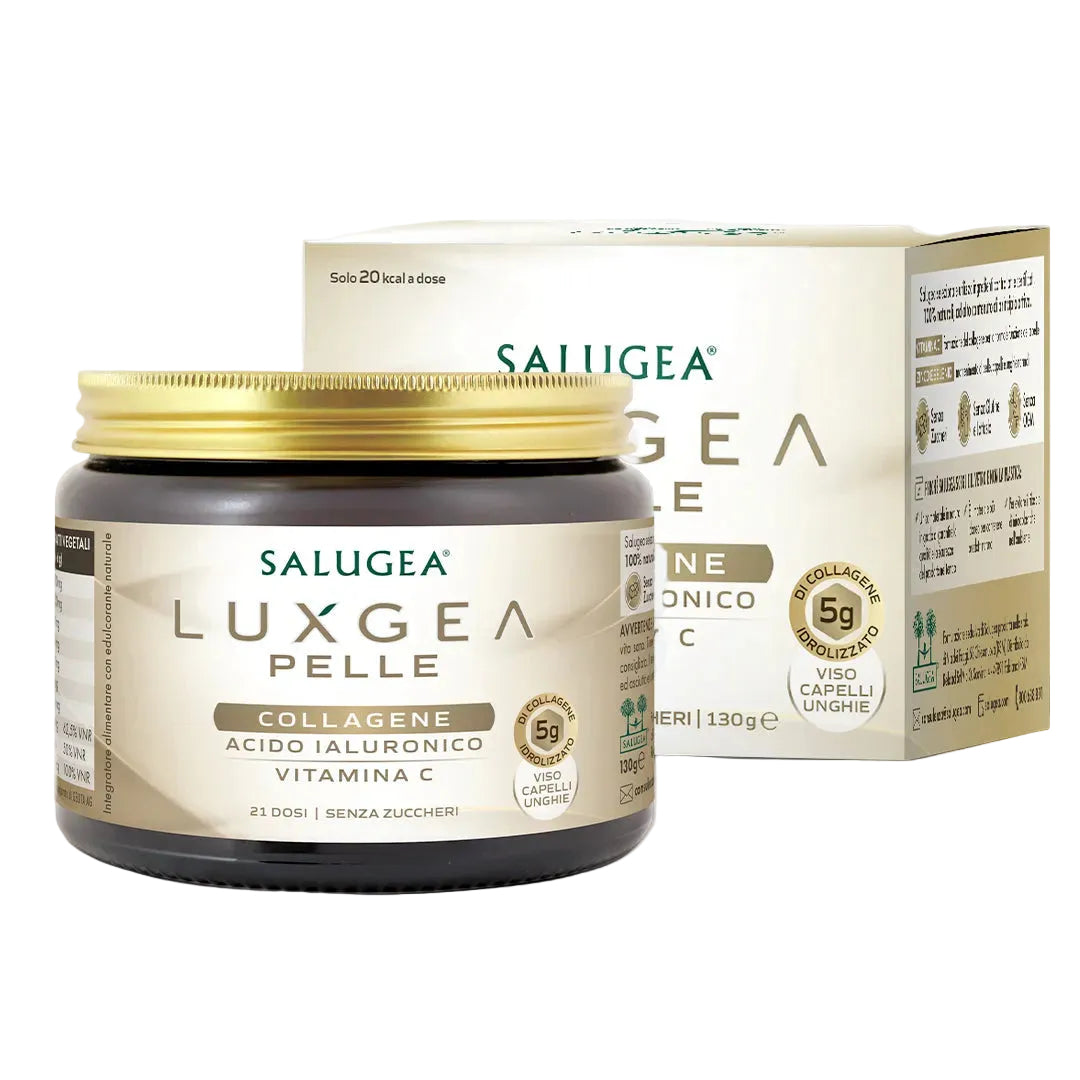
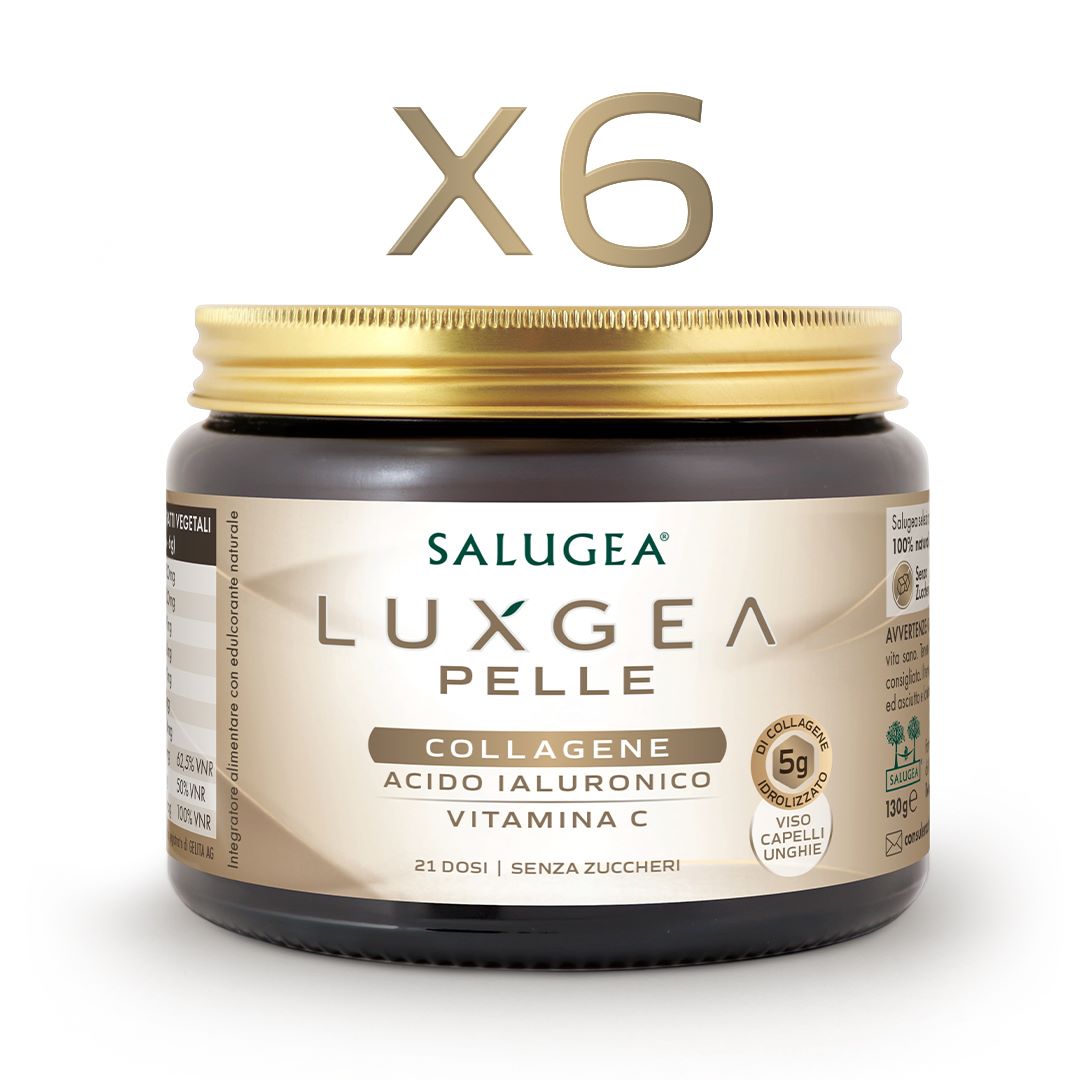
All these considerations led to the creation of LuxGea Pelle, the Salugea supplement that contains a wide variety of natural nutrients that are useful for complete skin wellbeing and a radiant appearance.
Let’s take a detailed look at what the studies found.
Scientific studies supporting the chosen ingredients
VERISOL®: bioactive collagen peptides
- Proksch E, Segger D, Degwert J, Schunck M, Zague V, Oesser S. Oral supplementation of specific collagen peptides has beneficial effects on human skin physiology: a double-blind, placebo-controlled study. Skin Pharmacol Physiol. 2014;27(1):47-55. doi: 10.1159/000351376. Epub 2013 Aug 14. PMID: 23949208.
This double-blind study involved 69 women aged between 35 and 55 who took VERISOL® for 4 weeks. At the end of this period, the participants showed significantly more elastic skin compared with placebo. This effect was even more marked after 8 weeks of supplementation with VERISOL®. A further 4 weeks after the last intake of the product, the VERISOL® group still showed greater skin elasticity than the placebo group (+10% on average), more marked in women over 50 (up to +30%), as well as a skin hydration effect.
- Proksch et al. (2014). Oral Intake of Specific Bioactive Collagen Peptides Reduces Skin Wrinkles and Increases Dermal Matrix Synthesis. Skin Pharmacol Physiol, 27:113-119
Placebo-controlled clinical study of 114 mature women aged between 45 and 65, who were given VERISOL® orally (2.5 g/day). After 8 weeks, a 20% reduction in the depth of wrinkles around the eyes was achieved. After 8 weeks, it also led to a significantly higher formation of skin procollagen (+65%) and elastin (+18%), elements of the dermal matrix that are essential for smoother, more even skin.
- Hexsel et al. (2017). Oral supplementation with specific bioactive collagen peptides improves nail growth and reduces symptoms of brittle nails. J Cosmet Dermatol, (16)1-7.
- Oesser (2020). The oral intake of specific Bioactive Collagen Peptides has a positive effect on hair thickness. Nutrafoods, 1:134-138.
These two innovative studies highlighted other properties of VERISOL® for nails and hair. In particular, the first study showed a reduction in cracked and/or chipped nails, reaching a 42% reduction after 6 months. The nail growth rate increased significantly, by 10%, after 6 months of supplementation.
The second study focused on hair, and here too it emerged that taking VERISOL® led to a statistically significant increase in hair thickness, while a slight decrease was observed in the placebo group, confirming the benefits of VERISOL® for better hair structure.
In both studies, the participants described themselves as very satisfied and keen to continue taking the product.
VERISOL® is a registered trademark of GELITA AG
Hyaluronic acid
- Longas M.O., Russell C.S., He X.Y. Evidence for structural changes in dermatan sulfate and hyaluronic acid with aging. Carbohydr Res. 1987;159:127–136. doi: 10.1016/S0008-6215(00)90010-7
This study, which we also referred to in the text above, highlights how, as we get older, there is a progressive loss of hyaluronic acid in the various layers of the skin.
- Hsu TF, et Al. Oral Hyaluronan Relieves Wrinkles and Improves Dry Skin: A 12-Week Double-Blinded, Placebo-Controlled Study. 2021 Jun 28;13(7):2220. doi: 10.3390/nu13072220. PMID: 34203487; PMCID: PMC8308347.
This 12-week clinical study found that oral intake of hyaluronic acid can improve skin hydration and reduce wrinkle depth. The results were already visible after 8 weeks and were compared with placebo.
- Gao YR, Wang RP, Zhang L, Fan Y, Luan J, Liu Z, Yuan C. Oral administration of hyaluronic acid to improve skin conditions via a randomized double-blind clinical test. Skin Res Technol. 2023 Nov;29(11):e13531. doi: 10.1111/srt.13531. PMID: 38009035; PMCID: PMC10661223.
This clinical study set out to analyse the effects of hyaluronic acid supplementation in a heterogeneous group of people: 129 participants, all female but of different ages and with different skin types.
Oral intake of hyaluronic acid significantly promoted skin hydration after 2-8 weeks in both the younger and older groups. An improvement in skin tone was observed after 4-8 weeks, while an increase in epidermal thickness was noted after 12 weeks.
- Oe M, Sakai S, Yoshida H, et al. Oral hyaluronan relieves wrinkles: a double-blinded, placebo-controlled study over a 12-week period. Clin Cosmet Investig Dermatol. 2017;10:267-273. Published 2017 Jul 18. doi:10.2147/CCID.S141845
In this study, 60 subjects with crow’s feet wrinkles were randomly assigned to the placebo group or to groups taking hyaluronic acid with 2 different molecular weights. Treatment lasted 12 weeks.
The results suggest that taking oral hyaluronic acid, at both molecular weights, reduces wrinkles and improves skin condition.
- Cyphert, J.M.; Trempus, C.S.; Garantziotis, S. Size Matters: Molecular Weight Specificity of Hyaluronan Effects in Cell Biology. J. Cell Biol. 2015, 2015, 563818.
This review highlights how hyaluronic acid fragments of different sizes can influence various processes in our body. In fact, molecular weight is reported to be a key factor in the extent of HA absorption, which is dose-dependent and inversely proportional to it
Eggshell membrane
- Jia H, et Al. Eggshell membrane powder ameliorates intestinal inflammation by facilitating the restitution of epithelial injury and alleviating microbial dysbiosis. Sci Rep. 2017 Mar 8;7:43993. doi: 10.1038/srep43993. PMID: 28272447; PMCID: PMC5341015.
Eggshell membrane is an extremely innovative ingredient which, as well as being rich in the building blocks of the epidermis, also has an indirect action on the gut microbiota. In vitro tests on human cells and in vivo models have shown that this nutrient led to an increase in microbiota biodiversity, particularly in favour of symbiotic (beneficial) bacterial strains, a reduction in strains that predispose to inflammation, an increase in the production of short-chain fatty acids (SCFAs) and the promotion of intestinal barrier maintenance.
- Kalman DS, Hewlings S. The effect of oral hydrolyzed eggshell membrane on the appearance of hair, skin, and nails in healthy middle-aged adults: A randomized double-blind placebo-controlled clinical trial. J Cosmet Dermatol. 2020 Jun;19(6):1463-1472. doi: 10.1111/jocd.13275. Epub 2020 Jan 6. PMID: 31904175; PMCID: PMC7418556.
This clinical study assessed the impact of Eggshell membrane supplementation compared with placebo on the appearance of hair in healthy middle-aged adults. The study involved 88 subjects of both sexes (aged 35‐65), randomly and equally divided into a test group and a placebo group for 12 weeks. Outcome measures included TrichoScan HD (hair).
Supplementation was associated with a significant improvement in hair thickness and density at 4, 8 and 12 weeks (+75% compared with placebo).
Bovine hydrolysed collagen
- Choi FD, Sung CT, Juhasz ML, Mesinkovsk NA. Oral Collagen Supplementation: A Systematic Review of Dermatological Applications. J Drugs Dermatol. 2019;18(1):9-16.
This review assessed several clinical studies conducted with daily collagen doses of between 2.5 g and 10 g. It found that oral collagen supplementation has positive effects on wound healing and skin ageing.
- de Miranda RB, Weimer P, Rossi RC. Effects of hydrolyzed collagen supplementation on skin aging: a systematic review and meta-analysis. Int J Dermatol. 2021 Dec;60(12):1449-1461. doi: 10.1111/ijd.15518. Epub 2021 Mar 20. PMID: 33742704.
This review brought together 19 placebo-controlled clinical studies evaluating oral supplementation with hydrolysed collagen. The sample included 1,125 participants aged between 20 and 70 (95% women). Based on the results, taking hydrolysed collagen orally for 90 days was effective in reducing skin ageing, as it reduces wrinkles and improves skin elasticity and hydration.
VITAMIN C: Rosehip
- Duarte TL, Cooke MS, Jones GD. Gene expression profiling reveals new protective roles for vitamin C in human skin cells. Free Radic Biol Med. 2009 Jan 1;46(1):78-87. doi: 10.1016/j.freeradbiomed.2008.09.028. Epub 2008 Oct 9. PMID: 18973801
This in vitro study on human skin cells (fibroblasts) investigated the effects of exposing these cells to vitamin C.
Based on the results obtained, the researchers conclude that vitamin C may protect the skin not only by acting as a cofactor in collagen synthesis, but also by directly promoting the proliferation of fibroblasts (the skin’s main cells).
- Pasonen-Seppänen S, Suhonen TM, Kirjavainen M, Suihko E, Urtti A, Miettinen M, Hyttinen M, Tammi M, Tammi R. Vitamin C enhances differentiation of a continuous keratinocyte cell line (REK) into epidermis with normal stratum corneum ultrastructure and functional permeability barrier. Histochem Cell Biol. 2001 Oct;116(4):287-97. doi: 10.1007/s004180100312. PMID: 11702187.
In this study on rat epidermal cells, the researchers found that administering Vit. C induces improvements in epithelial structure, which in turn are linked to better epidermal barrier function.
In particular, an increase in the synthesis of Filaggrin was observed, a protein essential for regulating the skin’s balance and maintaining its barrier function. This evidence suggests that vitamin C also influences keratinocyte differentiation in ways that complement the synthesis and organisation of barrier lipids.
Silicon: Bamboo
- Barel A, Calomme M, Timchenko A, De Paepe K, Demeester N, Rogiers V, Clarys P, Vanden Berghe D. Effect of oral intake of choline-stabilized orthosilicic acid on skin, nails and hair in women with photodamaged skin. Arch Dermatol Res. 2005 Oct;297(4):147-53. doi: 10.1007/s00403-005-0584-6. Epub 2005 Oct 26.
In this placebo-controlled clinical study of 50 women aged between 40 and 65 with clear clinical signs of facial photoageing, 10 mg of Silicon was administered orally for 20 weeks.
At the end of the period of taking the silicon-containing supplement, a significant improvement was recorded in the surface characteristics of the skin and its mechanical properties, as well as in the brittleness of hair and nails.
Zinc
- Ogawa Y, Kinoshita M, Shimada S, Kawamura T. Zinc and Skin Disorders. 2018 Feb 11;10(2):199. doi: 10.3390/nu10020199. PMID: 29439479; PMCID: PMC5852775.
The skin is the third most zinc-rich tissue in the human body. Numerous human disorders accompanied by skin manifestations have been shown to be caused by mutations or dysregulation of zinc transporters. In addition, zinc deficiency has been found to be deeply involved in the development of alopecia and in delayed wound healing.
- Gray NA, Dhana A, Stein DJ, Khumalo NP. Zinc and atopic dermatitis: a systematic review and meta-analysis. J Eur Acad Dermatol Venereol. 2019;33(6):1042-1050. doi:10.1111/jdv.15524
Another systematic review of 16 observational studies and clinical trials analysed the possible correlation between low Zinc levels and the incidence of Dermatitis.
Following statistical analysis, the study concludes that low levels of Zinc in serum, hair and erythrocytes are associated with Dermatitis.
Further, more comprehensive studies are needed to confirm these results.
- Schwartz JR, Marsh RG, Draelos ZD. Zinc and skin health: overview of physiology and pharmacology. Dermatol Surg. 2005;31(7 Pt 2):837-847. doi:10.1111/j.1524-4725.2005.31729
Another review investigated the specific roles that Zinc plays in skin health and function, highlighting the physiological importance of this element in wound healing and in reducing inflammation, which are basic phenomena in skin ageing. During these processes, the body’s zinc requirements can be met through supplementation, thereby speeding up the skin’s natural regeneration processes.
Selenium
- Kumar V, Tanwar N, Goel M, et al. Antioxidants for Skin Health. Recent Adv Food Nutr Agric. Published online August 6, 2024. doi:10.2174/012772574X311177240710100118
The protective role that Selenium plays in skin condition and function is confirmed by its antioxidant activities, which allow the maintenance and restoration of skin physiology, protecting it from ageing processes.
This review concludes that the use of Selenium is advisable for all skincare actions that can be carried out with external or internal remedies.
Bibliography
[1] Thiel RJ. Natural vitamins may be superior to synthetic ones. Med Hypotheses. 2000 Dec;55(6):461-9. doi: 10.1054/mehy.2000.1090. PMID: 11090291.
[2] Uitto J. The role of elastin and collagen in cutaneous aging: intrinsic aging versus photoexposure. J Drugs Dermatol. 2008 Feb;7(2 Suppl):s12-6. PMID: 18404866.
[3] Shuster S. Osteoporosis, a unitary hypothesis of collagen loss in skin and bone. Med Hypotheses. 2005;65(3):426-32. doi: 10.1016/j.mehy.2005.04.027. PMID: 15951132
[4] Sumino H, Ichikawa S, Abe M, Endo Y, Ishikawa O, Kurabayashi M. Effects of aging, menopause, and hormone replacement therapy on forearm skin elasticity in women. J Am Geriatr Soc. 2004 Jun;52(6):945-9. doi: 10.1111/j.1532-5415.2004.52262.x. PMID: 15161459.
Our texts are for information purposes only; they are not to be understood as an indication for the diagnosis and treatment of medical conditions and are in no way intended to replace the advice of a doctor.