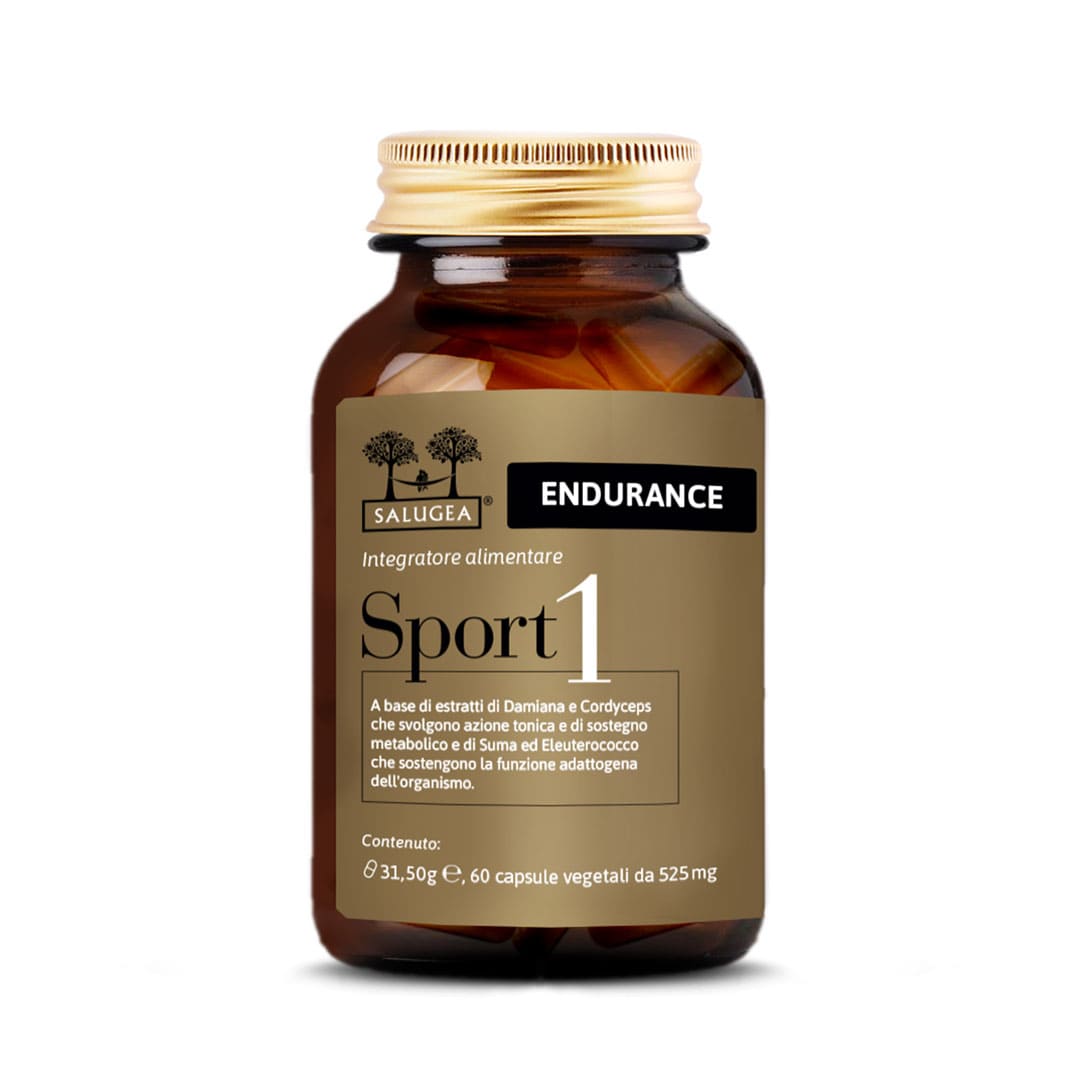
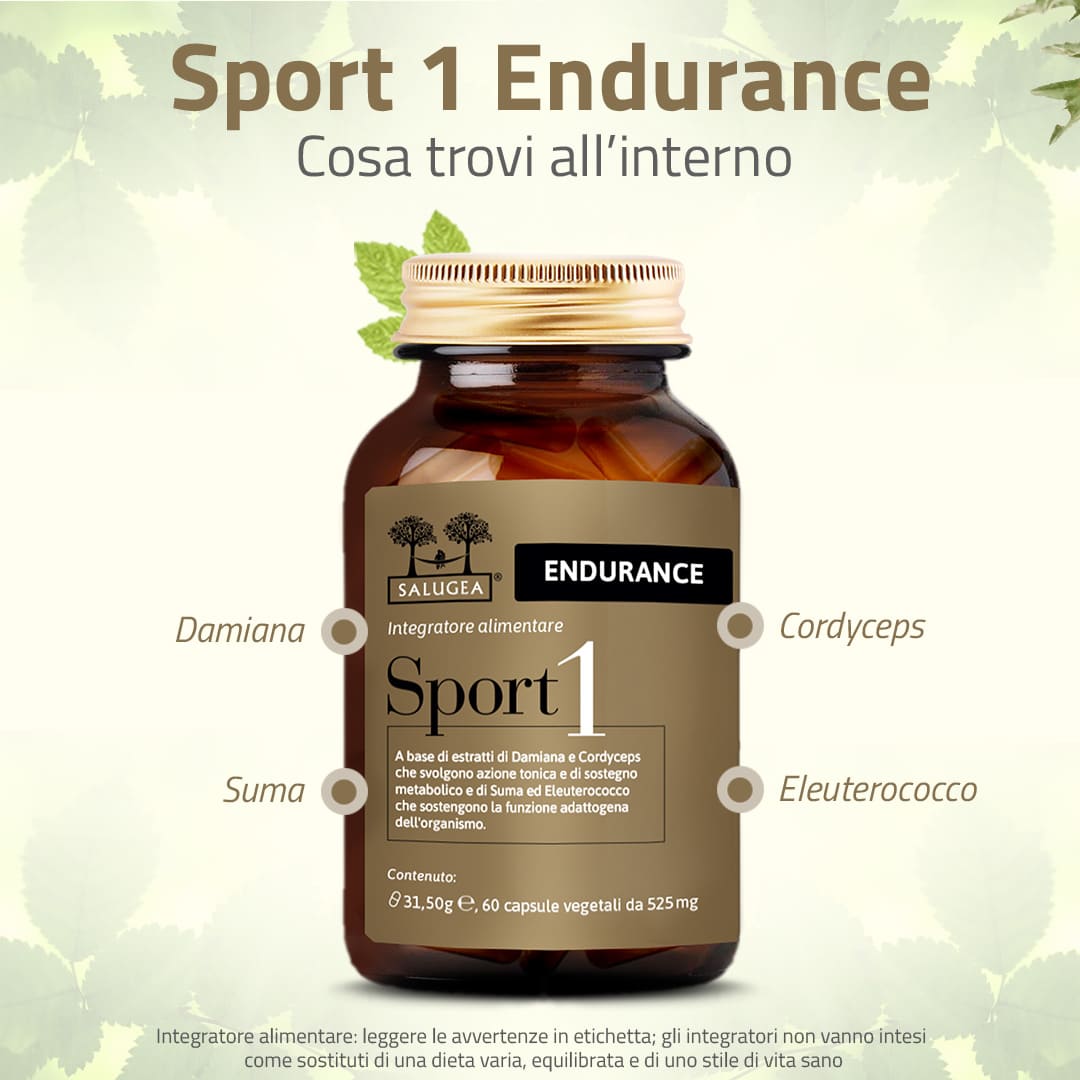
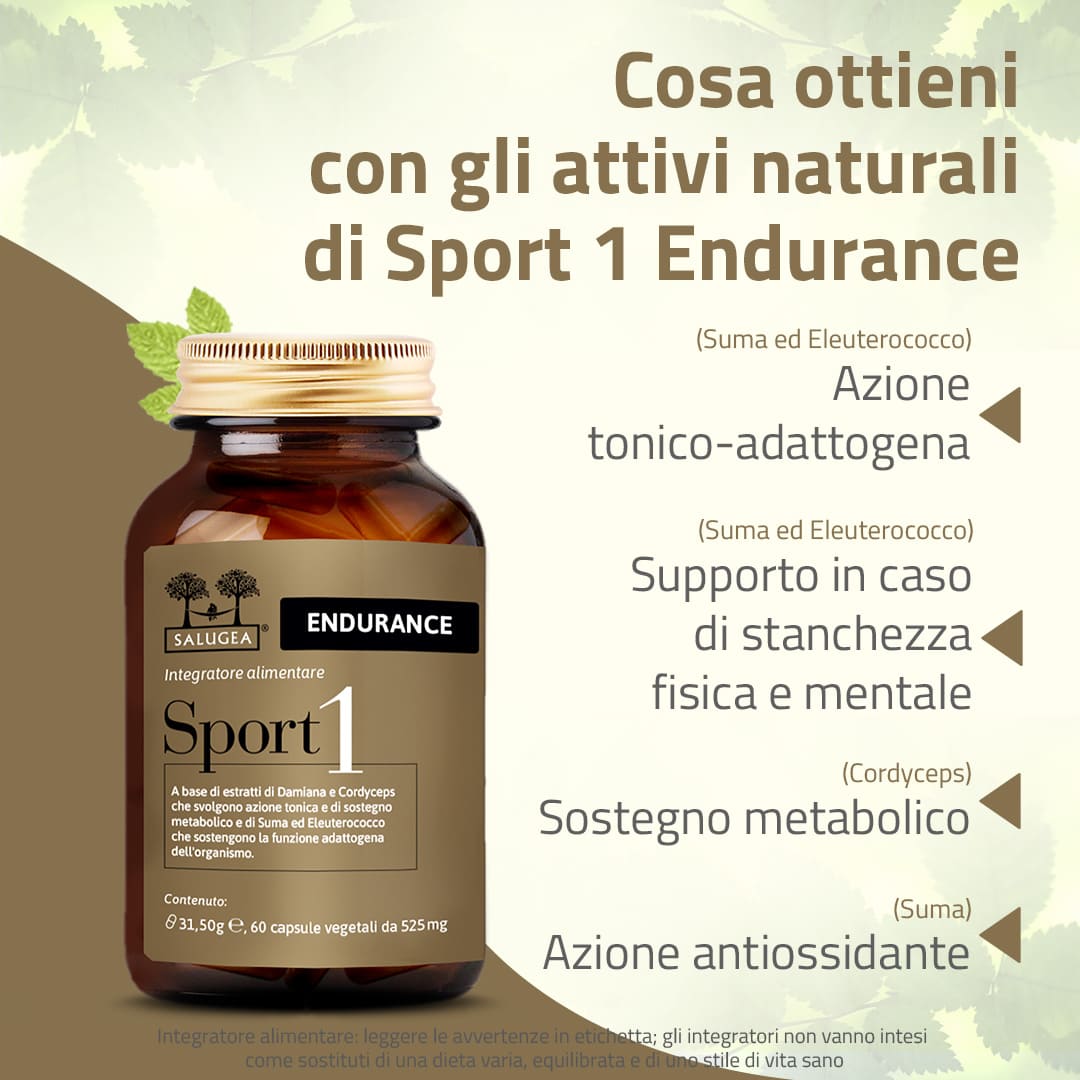
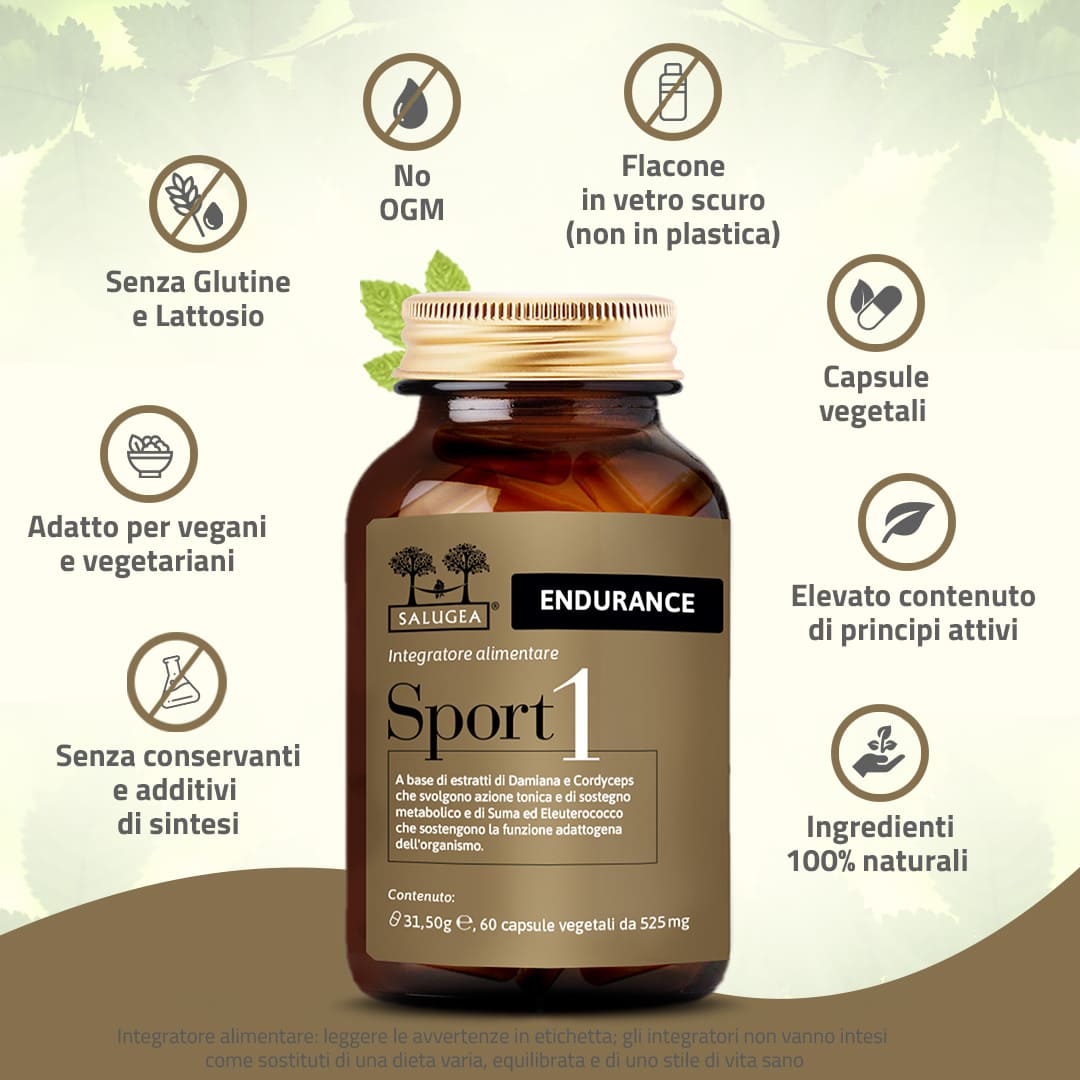
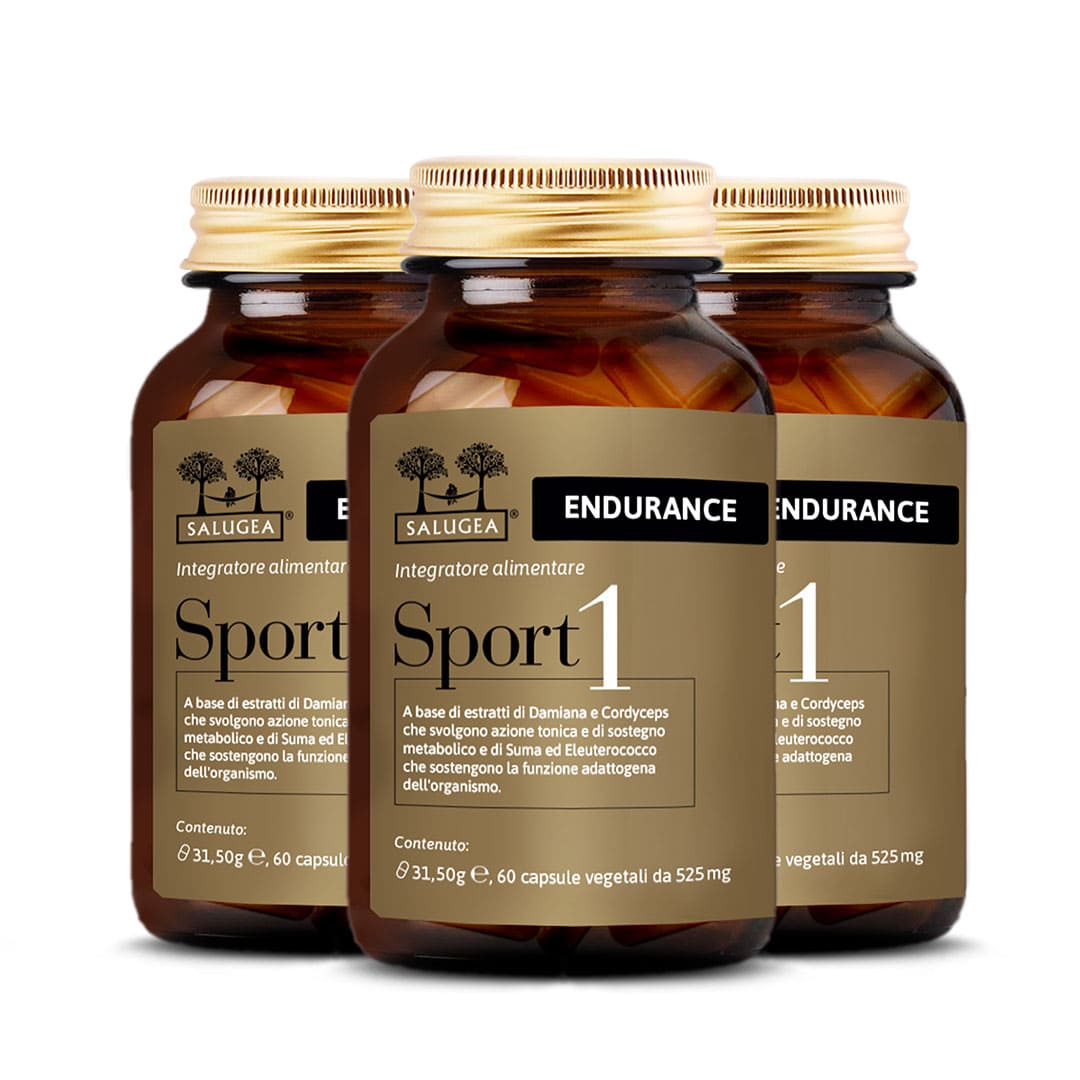
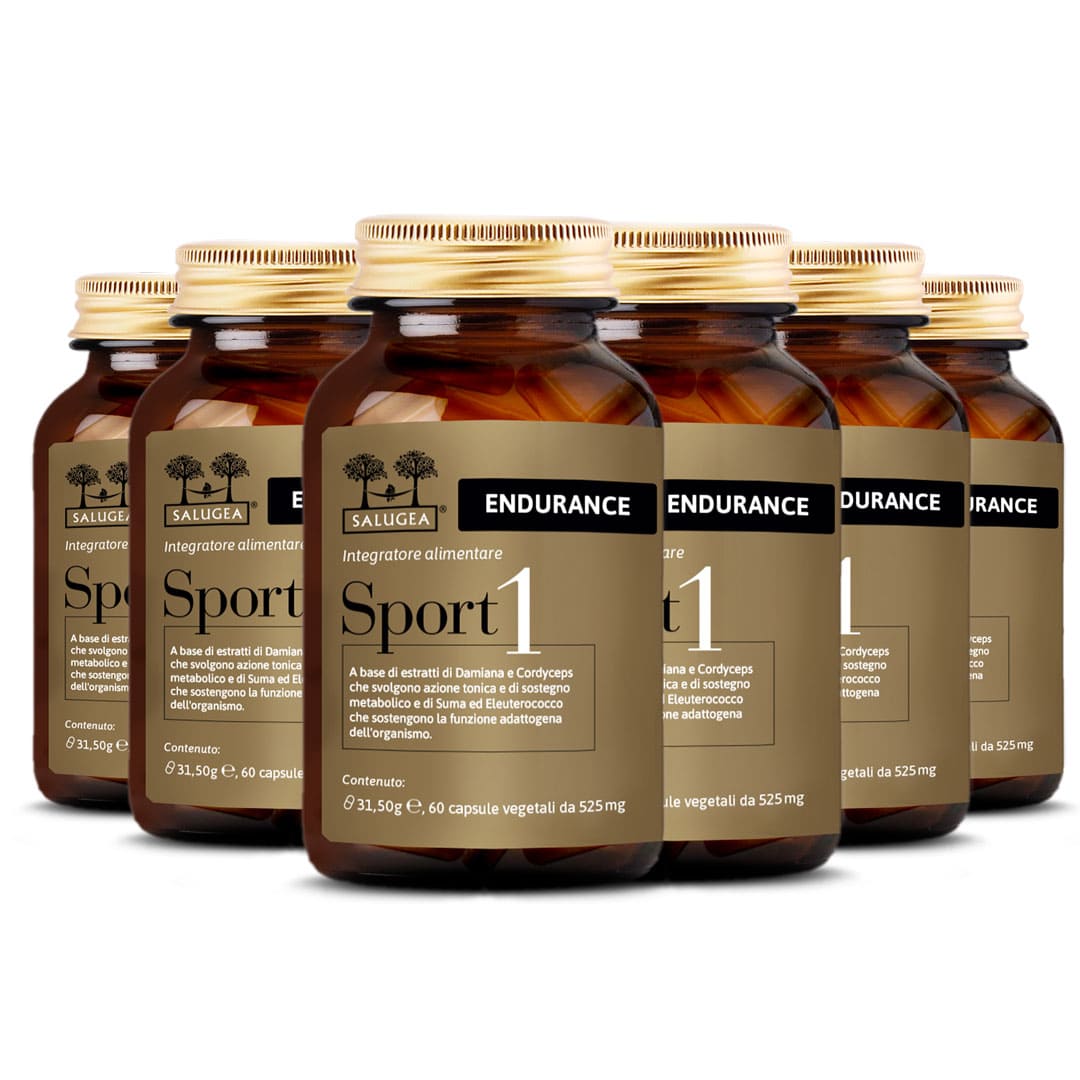
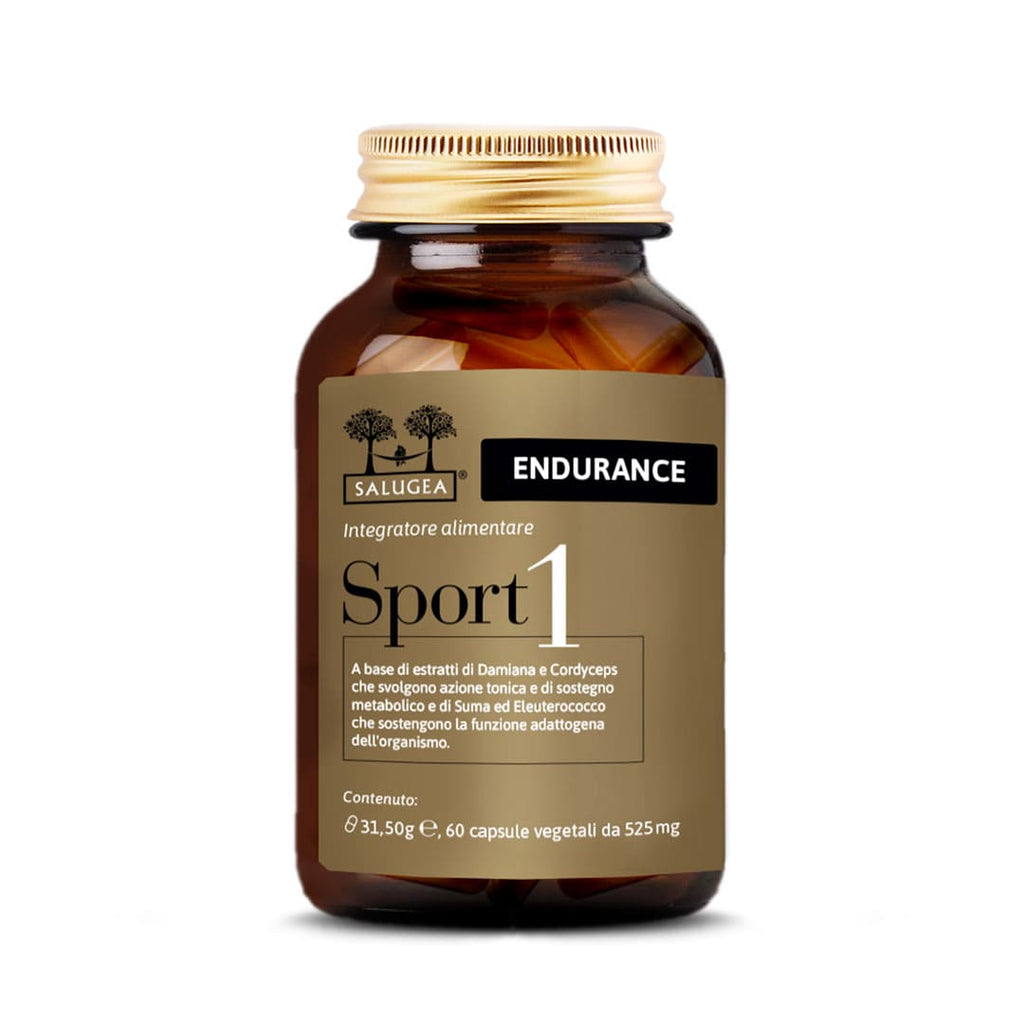
Doing sport, of any kind, according to your tastes, your circumstances and the goals you want to achieve, is essential for your health!
The WHO (World Health Organization) has even drawn up a global action plan on physical activity for the years 2018-2030.
In Europe, physical inactivity is responsible for one million deaths every year (around 10% of the total). It is estimated that physical inactivity is a contributing factor in 5% of coronary heart disease, 7% of cases of type 2 diabetes, 9% of breast cancers and 10% of colon cancers1.
In addition, many European countries have seen an increase, in recent decades, in the percentage of overweight and obese people.
In 46 countries (87% of Europe), more than half of adults are overweight or obese [1].
Doing sport, then, is essential, but at the same time it is necessary to nourish and protect your muscles during training.
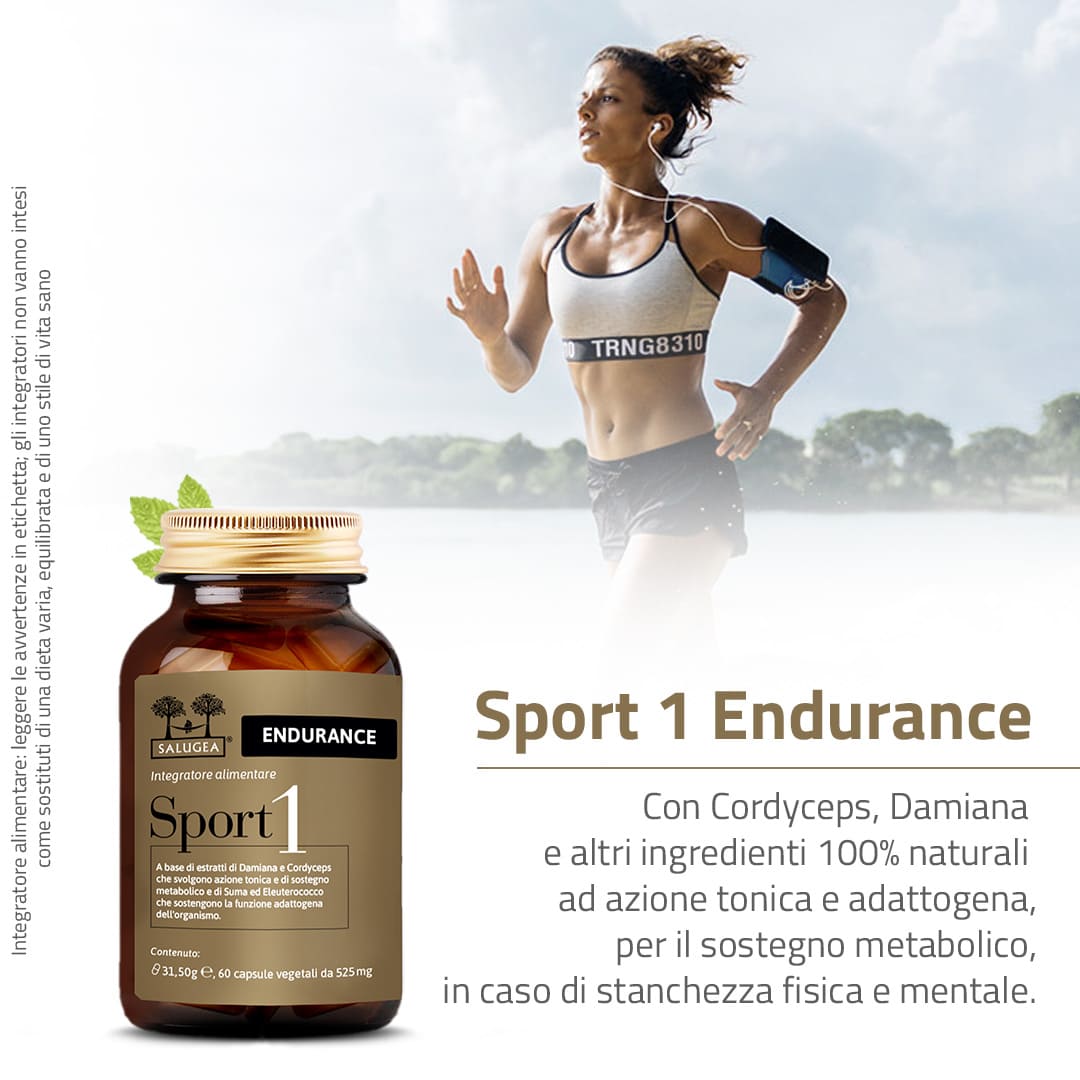
Especially in endurance sports (cycling, triathlon, marathon …) it is necessary to follow a specific diet and appropriate supplementation. It is very important to keep your body hydrated and to provide the right nutrients both before and after physical activity. This way you achieve better performance and optimal muscle recovery [2].
Over the years, phytotherapy has increasingly studied these conditions, and there are several studies that testify to the importance of a natural approach too.
In the next section we will look at some of them and understand how and why plant active ingredients can be useful for promoting the wellbeing of the muscular system.
Experimental Phytotherapy
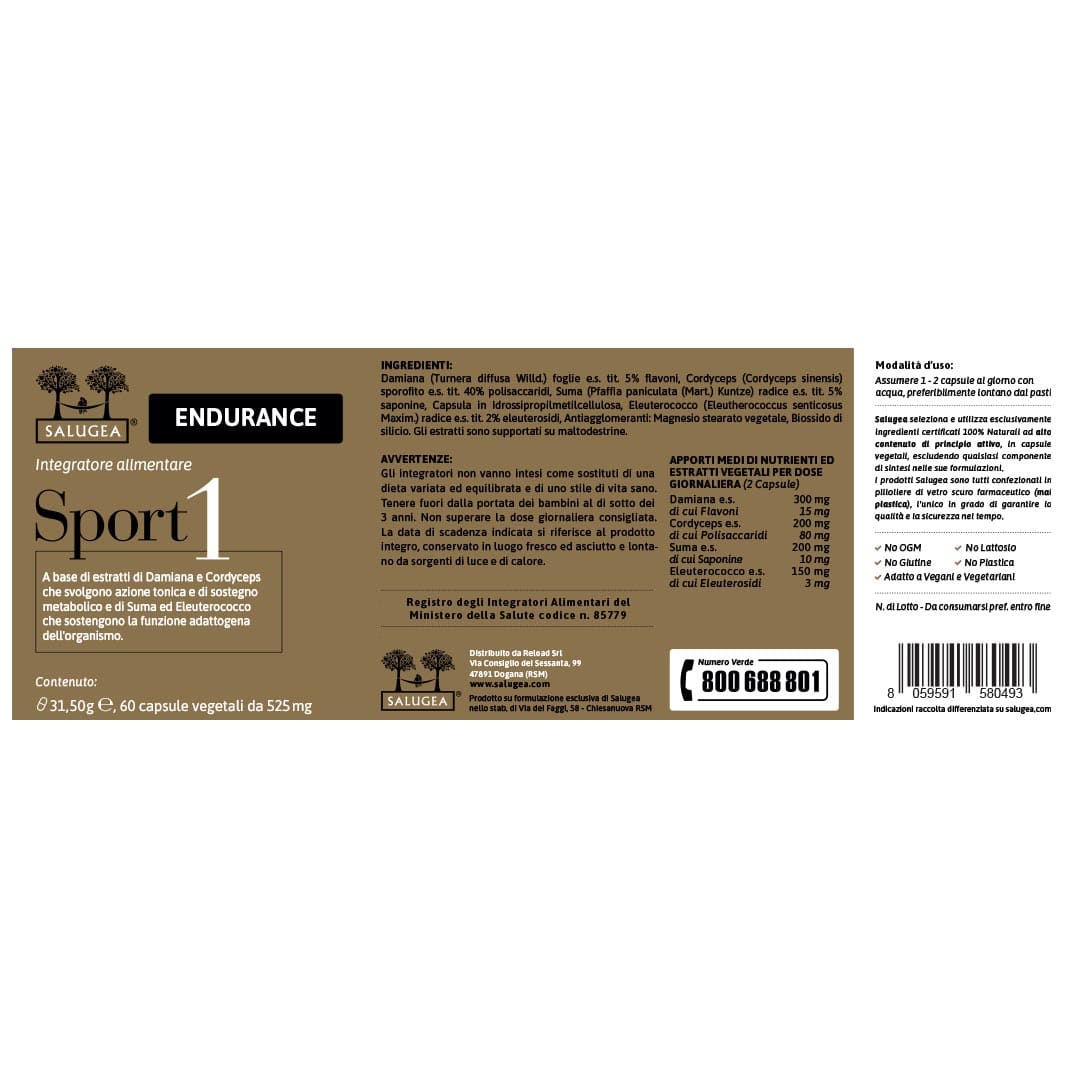
The plants and fungi contained in Sport 1 Endurance are found naturally in certain areas of the globe. And it is precisely in these areas that, for thousands of years, they have been used by local populations who need support to cope with the demands of daily life at high altitude, in extreme climates or in areas with considerable differences in elevation, where travel is mostly on foot (even with heavy loads to carry).
Nowadays we have all kinds of conveniences (cars, motorbikes, public transport), so these natural elements can prove very useful as support for sporting activity.
Let’s now look at some studies conducted on the elements found in Sport 1 Endurance.
Damiana
- Szewczyk K, Zidorn C. Ethnobotany, phytochemistry, and bioactivity of the genus Turnera (Passifloraceae) with a focus on damiana--Turnera diffusa. J Ethnopharmacol. 2014 Mar 28;152(3):424-43. doi: 10.1016/j.jep.2014.01.019. Epub 2014 Jan 24. PMID: 24468305.
This review gathered the existing knowledge on the properties and phytochemical components of Damiana. Its many properties include adaptogenic and antioxidant ones. Attention was also drawn to aphrodisiac properties that warrant further investigation.
Damiana and Suma are two very powerful tonic and energising plants that support and promote the muscle’s ability to improve its resistance to exertion and fatigue. This aspect is essential in endurance sports.
Suma
- Mendes FR, Carlini EA. Brazilian plants as possible adaptogens: an ethnopharmacological survey of books edited in Brazil. J Ethnopharmacol. 2007 Feb 12;109(3):493-500. doi: 10.1016/j.jep.2006.08.024. Epub 2006 Sep 1. PMID: 17030478.
This study investigated the properties of several Brazilian plants. Suma (Pfaffia paniculata) was also studied for its adaptogenic properties, which promote muscular endurance and delay the feeling of fatigue.
Cordyceps
- Rossi P, Buonocore D, Altobelli E, Brandalise F, Cesaroni V, Iozzi D, Savino E, Marzatico F. Improving Training Condition Assessment in Endurance Cyclists: Effects of Ganoderma lucidum and Ophiocordyceps sinensis Dietary Supplementation. Evid Based Complement Alternat Med. 2014;2014:979613. doi: 10.1155/2014/979613. Epub 2014 Apr 1. PMID: 24799948; PMCID: PMC3995149.
This study showed that after 3 months of supplementation with two fungi (Cordyceps sinensis and Ganoderma lucidum) in a group of endurance cyclists, the testosterone/cortisol ratio increased in a statistically significant way, protecting the athletes from overtraining syndrome (OTS) and non-functional overreaching (NFO).
The antioxidant properties of the two fungi were also studied to quantify their ability to neutralise the synthetic free radical DPPH. At the end of the three months of supplementation, increased antioxidant capacity was recorded in the athletes’ serum, capable of protecting them from oxidative stress.
Eleutherococcus
- Huang LZ, Huang BK, Ye Q, Qin LP. Bioactivity-guided fractionation for anti-fatigue property of Acanthopanax senticosus. J Ethnopharmacol. 2011 Jan 7;133(1):213-9. doi: 10.1016/j.jep.2010.09.032. PMID: 20920564.
The study was developed to ascertain the anti-fatigue properties of Eleutherococcus. In particular, it emerged that eleutherosides (compounds found in the root) have a powerful ability to relieve both physical and mental fatigue.
Eleutheroside E can be considered responsible for the functional anti-fatigue effect.
Other effects found were a reduction in triglyceride levels, an increase in fat utilisation, a delay in the accumulation of blood urea nitrogen and an increase in the enzyme LDH, which helps reduce the build-up of lactic acid in the muscle, thereby protecting its tissue.
[1] Italian Ministry of Health - Directorate General for Health Prevention, Office 8 - Linee di indirizzo sull’attività fisica per le differenti fasce d’età e con riferimento a situazioni fisiologiche e fisiopatologiche e a sottogruppi specifici di popolazione [Guidelines on physical activity for different age groups, with reference to physiological and pathophysiological conditions and specific population subgroups]
[2] Jeukendrup AE. Nutrition for endurance sports: marathon, triathlon, and road cycling. J Sports Sci. 2011;29 Suppl 1:S91-9. doi: 10.1080/02640414.2011.610348. Epub 2011 Sep 15. PMID: 21916794.
Our texts are for information purposes only; they are not to be understood as an indication for the diagnosis and treatment of medical conditions and are in no way intended to replace the advice of a doctor.