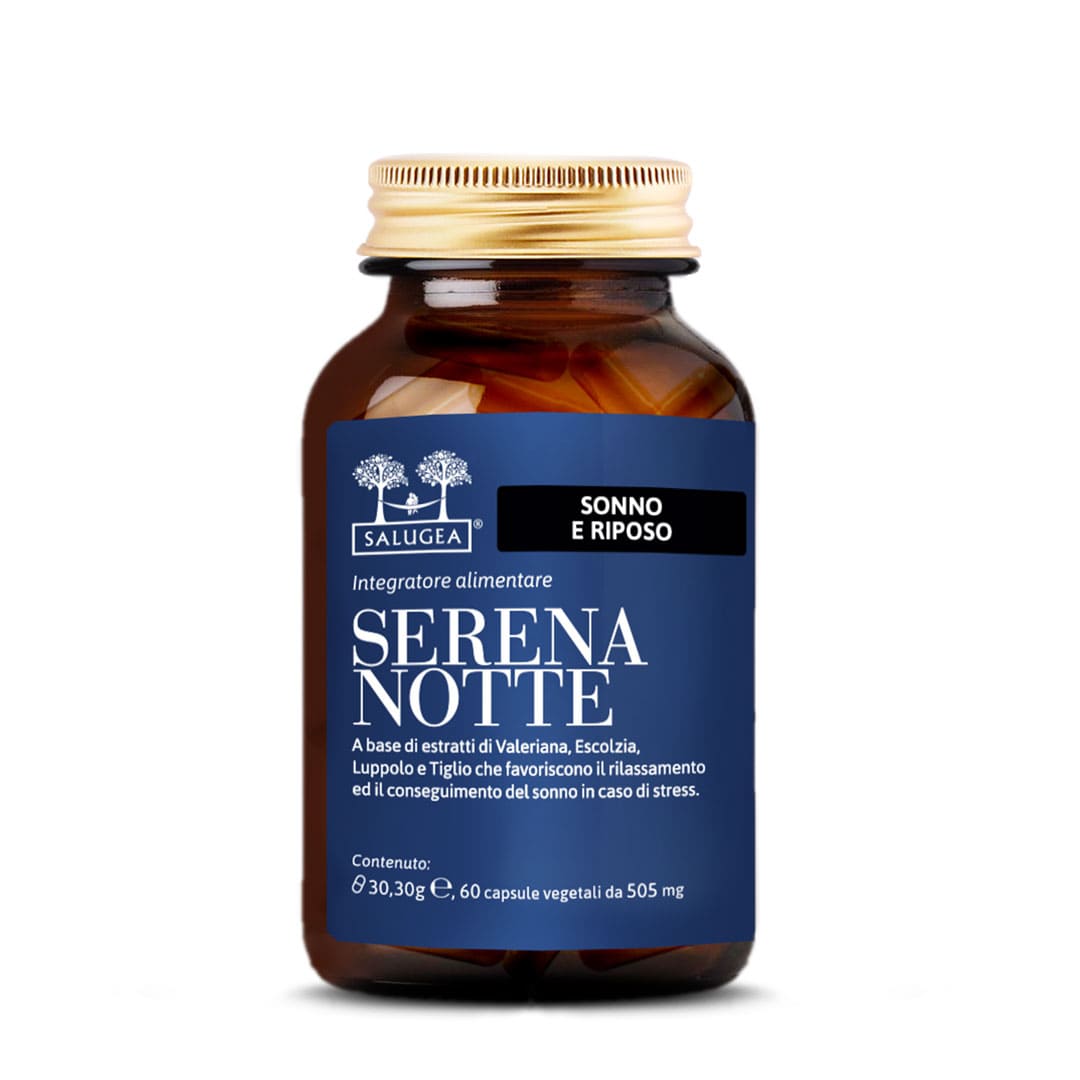
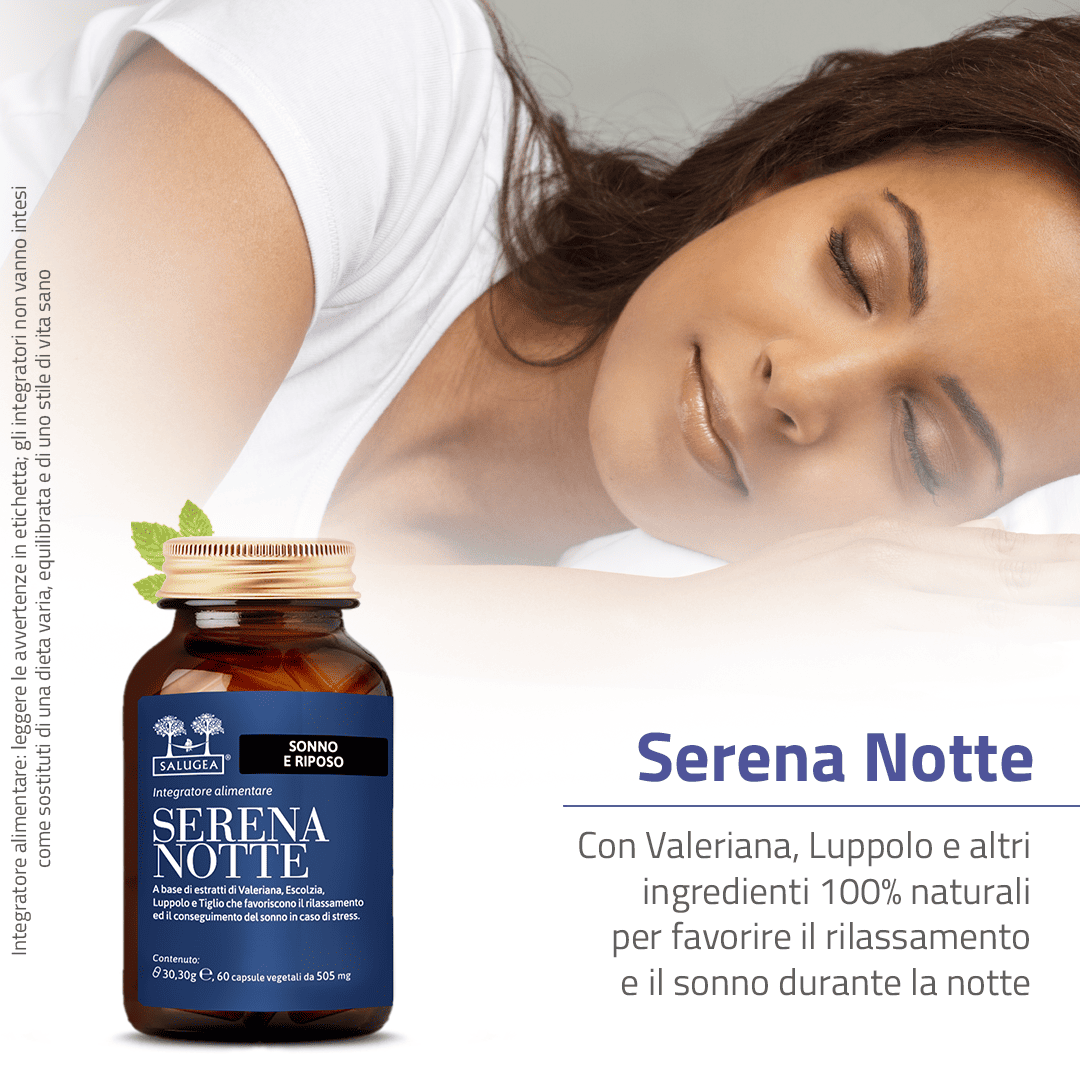
Difficulty falling asleep, waking during the night and insomnia are very common problems.
In Italy, as many as 30% of the population suffer from chronic or transient insomnia [3]. A percentage that has even reached 50% in recent times, following lockdown and the change in lifestyle brought about by Covid19 [4].
The difference between chronic and transient insomnia lies in how long the problem lasts. It is defined as chronic when it persists for more than six months, and transient if it lasts less than six months.
The symptoms of insomnia are very easy to identify [5]:
- difficulty falling asleep,
- difficulty staying asleep for an adequate number of hours (7-8 for adults),
- intermittent waking and/or waking too early in the morning.
What is less easy to “see”, however, are the consequences that poor rest can bring.
The most common are tiredness, irritability and nervousness.
Then there are others that are less obvious. Which ones?
Sleep disorders and metabolic syndrome
A great deal of epidemiological and experimental evidence has highlighted the fact that there may be a link between sleep disorders and metabolic syndrome. Sleep is in fact linked to maintaining blood sugar levels, to the regulation of appetite mechanisms and also to blood pressure control [6].
Sleep disorders and headaches
The evidence shows that many of the mechanisms that regulate sleep and those that cause headaches are interlinked. What researchers are trying to determine is whether it is lack of sleep or disturbed sleep that causes migraine, or whether it is migraine itself that alters sleep mechanisms [7].
Sleep disorders and Stress
A pair that has always gone hand in hand. What happens, at a certain point, is that you can no longer tell whether it is stress causing the lack of sleep or the lack of sleep increasing the stress.
This combination is the one with the greatest impact on our everyday lives, given its obvious repercussions on work and study, when concentration and attention need to be at their highest [8].
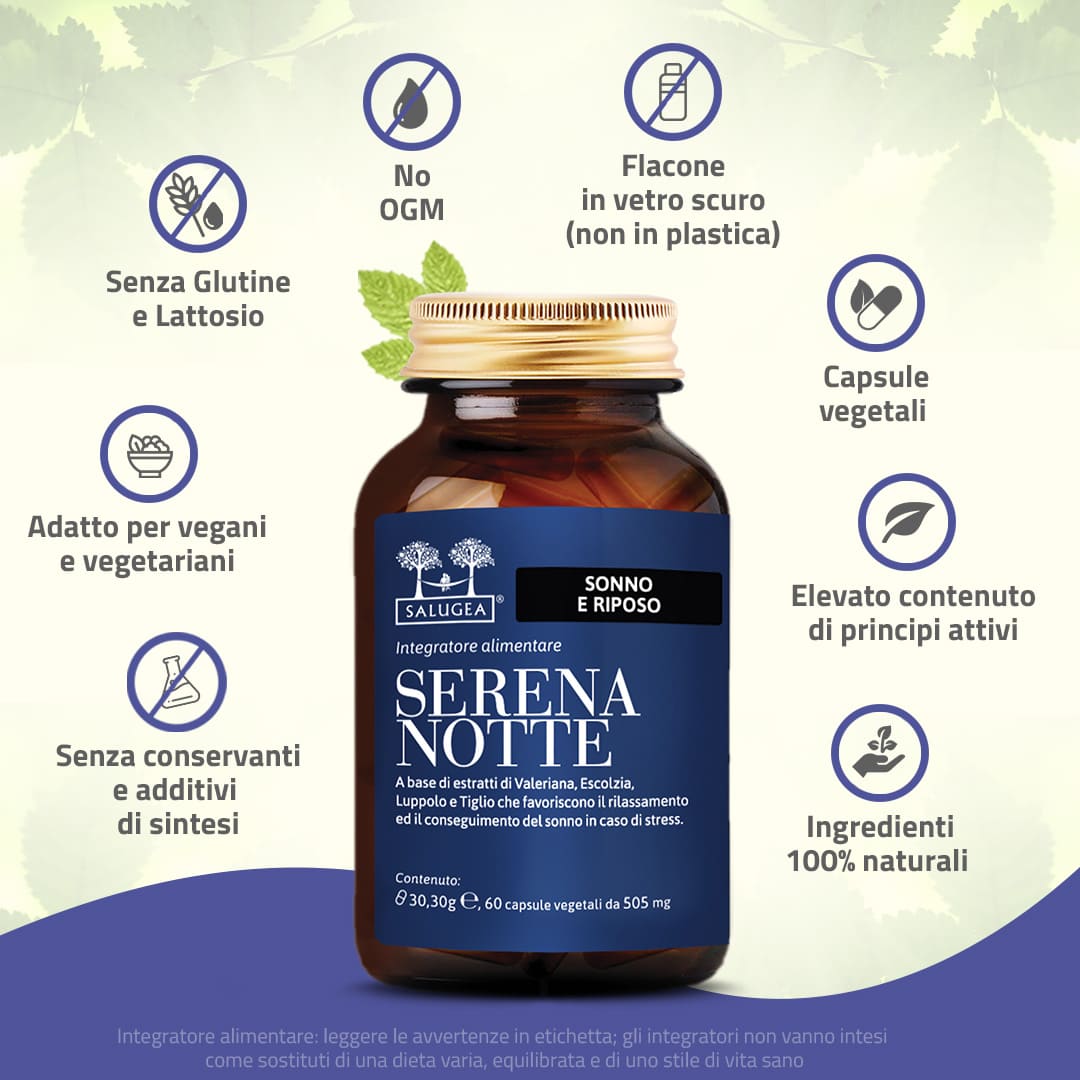
Over the years, phytotherapy has paid increasing attention to these problems, and there are several studies that testify to the importance of a natural approach too.
In the next section we will look at some of them and understand how and why plant active ingredients can be useful for promoting a good night’s rest, in terms of both quality and duration.
Experimental Phytotherapy
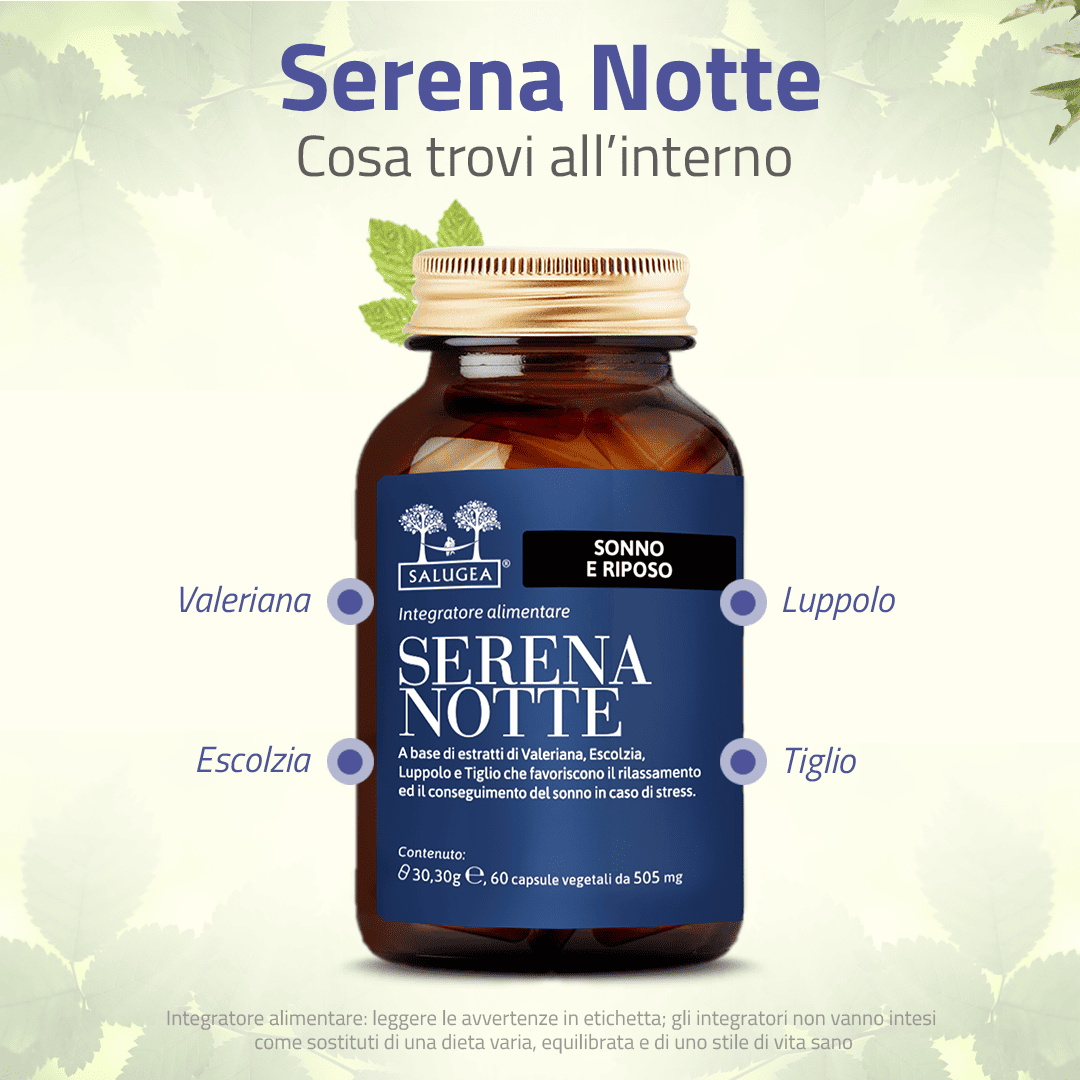
Valerian
- Balderer G, Borbély AA. Effect of valerian on human sleep. Psychopharmacology (Berl). 1985;87(4):406-9. doi: 10.1007/BF00432503. PMID: 3936097.
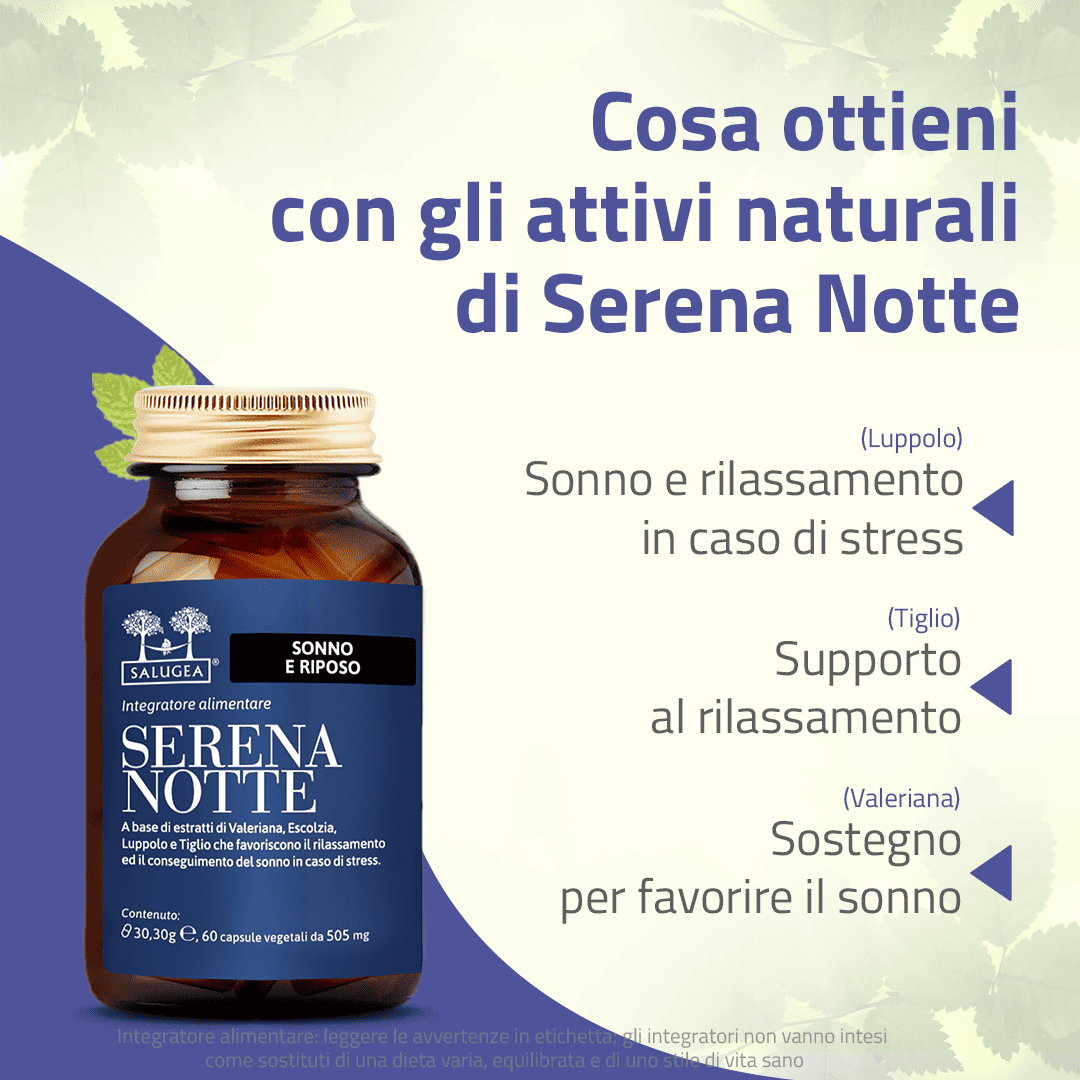
In this study, the researchers showed that Valerian has a hypnotic effect, albeit a mild one. This is another reason why this active ingredient is particularly suitable for promoting the quality and duration of sleep.
- Lindahl O, Lindwall L. Double blind study of a valerian preparation. Pharmacol Biochem Behav. 1989 Apr;32(4):1065-6. doi: 10.1016/0091-3057(89)90082-8. PMID: 2678162.
This study evaluates two substances contained in Valerian: valepotriates and sesquiterpenes (valerenic acid). Both showed sedative effects. Of the study participants, 44% reported perfect sleep and 89% reported improved sleep with the preparation. None reported any side effects.
California Poppy
- 1991 Jun;57(3):212-6. doi: 10.1055/s-2006-960076. Behavioural effects of the American traditional plant Eschscholzia californica: sedative and anxiolytic properties
A Rolland, J Fleurentin, M C Lanhers, C Younos, R Misslin, F Mortier, J M Pelt
This study, carried out on mice, showed that California Poppy also has anxiolytic properties, as well as sedative ones, without causing any side effects.
Hops
- Pharmacognostic and pharmacological profile of Humulus lupulus L.Zanoli P, Zavatti M.J Ethnopharmacol. 2008 Mar 28;116(3):383-96. doi: 10.1016/j.jep. 2008.01.011. Epub 2008 Jan 20. Review.
This review analyses the main studies that have been carried out on Hops. In addition to its sedative action and its use in treating sleep imbalances, it also highlights a digestive and antibacterial action, traditionally attributed to the plant.
- Sedating effects of Humulus lupulus L. extracts.Schiller H, Forster A, Vonhoff C, Hegger M, Biller A, Winterhoff H. Phytomedicine. 2006 Sep;13(8):535-41. Epub 2006 Jul 24.
The aim of the study was to verify in animals the sedative activity of ethanol and CO2 extracts of Humulus lupulus. Both preparations showed that spontaneous locomotor activity is reduced, sleep duration increases and there is a sedative effect in general.
Lime Blossom
- Sedative and anxiolytic efficacy of Tilia inflorescences used traditionally by communities of State of Michoacan, Mexico. Pérez-Ortega G, Guevara-Fefer P, Chávez M, Herrera J, Martínez A, Martínez AL, González-Trujano ME. J Ethnopharmacol. 2008 Mar 28;116(3):461-8. doi: 10.1016/j.jep.2007.12.007. Epub 2007 Dec 23.
This study, carried out on mice, looked in depth at the sedative and anxiolytic properties of lime blossom. The results were excellent. All the samples tested produced an increase in sleep time. In addition, a significant reduction in the anxiety response was observed.
[1] The Safety of Melatonin in Humans. – Andersen LP, Gögenur I, Rosenberg J, Reiter RJ Clin Drug Investig. 2016 Mar;36(3):169-75. doi: 10.1007/s40261-015-0368-5.
[2] Balderer G, Borbély AA. Effect of valerian on human sleep. Psychopharmacology (Berl). 1985;87(4):406-9. doi: 10.1007/BF00432503. PMID: 3936097.
[4] Lindahl O, Lindwall L. Double blind study of a valerian preparation. Pharmacol Biochem Behav. 1989 Apr;32(4):1065-6. doi: 10.1016/0091-3057(89)90082-8. PMID: 2678162.
[5] Fondazione Mondino - Disturbi del sonno [Sleep disorders]
[6] Studicognitivi.it Insonnia e disturbi del sonno [Insomnia and sleep disorders]
[7] Gigliardi, V.R., Gramaglia, E., Tomelini, M. et al. Disturbi del sonno e sindrome metabolica: quali relazioni eziopatogenetiche? [Sleep disorders and metabolic syndrome: what aetiopathogenetic relationships?]. L’Endocrinologo 13, 132–136 (2012). https://doi.org/10.1007/BF03345966
[8] Paginemediche.it - Insonnia e stress [Insomnia and stress] - Dr Roberta Senese
[9] Ahrberg K, Dresler M, Niedermaier S, Steiger A, Genzel L. The interaction between sleep quality and academic performance. J Psychiatr Res. 2012 Dec;46(12):1618-22. doi: 10.1016/j.jpsychires.2012.09.008. Epub 2012 Oct 3. PMID: 23040161.
Our texts are for information purposes only; they are not to be understood as an indication for the diagnosis and treatment of medical conditions and are in no way intended to replace the advice of a doctor.