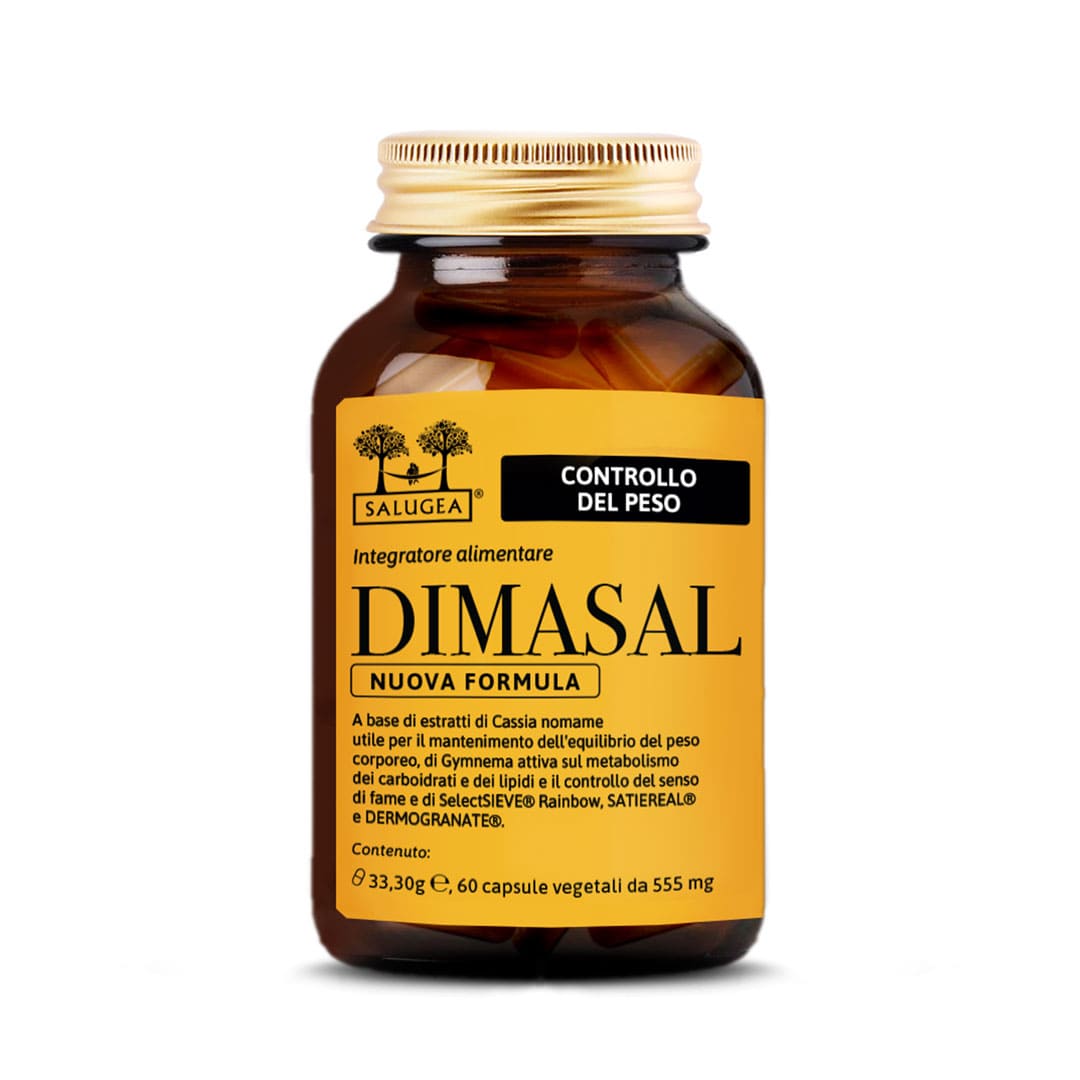
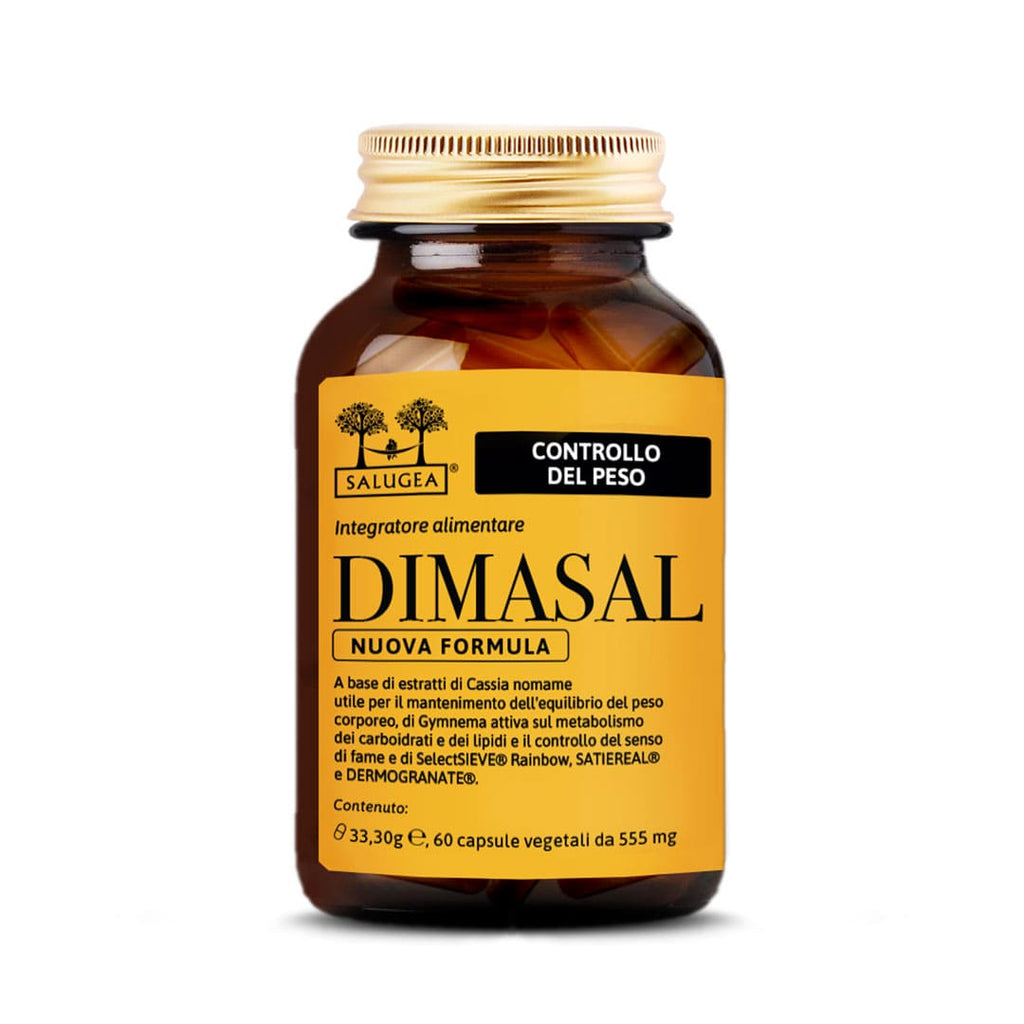
The state of affluence and comfort that has characterised modern society in recent decades has led to a more sedentary life, rich in foods of low nutritional value that mainly provide fats and carbohydrates.
A sedentary life and job combined with a nutrient-poor diet are favouring the rise of problems such as overweight and obesity.
The data from a 2015 Istat survey6 indicate that in Italy more than a third of the adult population (35.3%) is overweight, while one in ten people is obese (9.8%). Overall, 45.1% of subjects aged ≥18 carry excess weight.
Differences across the country show a North-South divide in which the southern regions have the highest prevalence of obese adults (Molise 14.1%, Abruzzo 12.7% and Puglia 12.3%) and overweight adults (Basilicata 39.9%, Campania 39.3% and Sicily 38.7%) compared with the northern ones (obese: Autonomous Province of Bolzano 7.8% and Lombardy 8.7%; overweight: Autonomous Province of Trento 27.1% and Valle d'Aosta 30.4%).
The percentage of the population above the normal-weight threshold grows with age: in particular, overweight rises from 14% in the 18-24 age group to 46% among 65-74-year-olds, while obesity goes from 2.3% to 15.3% across the same age groups.
Moreover, this condition is more widespread among men than among women (overweight: 44% vs 27.3%; obesity: 10.8% vs 9%).
According to the World Health Organization (WHO), although a high degree of undernourishment continues to persist on Earth, obesity is one of the main public health problems in the world7.
This also affects the populations of emerging countries, which have easier access to junk food rich in fats and carbohydrates and to a diet that is often poor in fruit and vegetables. Furthermore, the most disadvantaged groups tend to take less care of their fitness and their wellbeing.
As well as being a health problem, obesity and overweight can also cause psychological distress.
Today's society is in fact very elitist and tends to marginalise and stigmatise people with these problems, increasing their insecurity and loss of confidence. Very often resignation then sets in and, with it, the inability to love oneself and to take care of one's appearance and one's diet.
The important thing is to understand that being overweight or obese means NOT being healthy. Obesity is in fact a risk factor for several chronic diseases, especially cardiovascular8 and metabolic ones.
To avoid all these problems, prevention is important. In particular, it is necessary to adopt a healthy lifestyle, following a balanced diet, correct supplementation and appropriate physical activity.
In this way it is possible to keep your weight under control and prevent it from exceeding risk levels.
To help the body with weight control, there are various plant sources that can be added to the diet.
Experimental Phytotherapy
SelectSIEVE® Rainbow
A patented ingredient based on extracts of Black Rice, Kiwi, Red Orange and Pineapple.
Black Rice
- Ito VC, Lacerda LG. Black rice (Oryza sativa L.): A review of its historical aspects, chemical composition, nutritional and functional properties, and applications and processing technologies. Food Chem. 2019 Dec 15;301:125304. doi: 10.1016/j.foodchem.2019.125304. Epub 2019 Jul 31. PMID: 31394335.
Black rice contains numerous nutritional and bioactive components including essential amino acids, functional lipids, dietary fibre, vitamins, minerals, anthocyanins, phenolic compounds, γ-oryzanols, tocopherols, tocotrienols, phytosterols and phytic acid.
Several studies have been conducted on black rice for its presumed beneficial effects on health when consumed regularly. This review focuses on the chemical composition and on the nutritional and functional properties of black rice.
Thanks to its nutritional value, it can be used in the production of healthy foods and drinks such as functional products and gluten-free cereals, thus providing additional health benefits for consumers.
- Kim SP, Nam SH, Friedman M. Mechanism of the antiadipogenic-antiobesity effects of a rice hull smoke extract in 3T3-L1 preadipocyte cells and in mice on a high-fat diet. Food Funct. 2015 Sep;6(9):2939-48. doi: 10.1039/c5fo00469a. PMID: 26190448.
This study evaluated the inhibitory effects of a black rice extract on adipogenesis in vitro and in mice on high-fat diets (HFD) and normal diets (ND). At concentrations of 0.1% and 0.5%, the extract was shown to reduce the cellular lipid content in preadipocytes, demonstrating a strong anti-adipogenic effect. This result was supported by the finding that the expression of adiponectin, a marker of adipocyte differentiation, was suppressed.
The anti-adipogenic properties were confirmed in vivo using obese mice fed a high-fat diet. At the end of the 7-week study, supplementation with 0.5% and 1% black rice extract led to a reduction in body weight gain of 66.9% and 72.5% respectively, the restoration of normal levels of total cholesterol and triglycerides in plasma and liver, the normalisation of abnormal serum levels of leptin and adiponectin, and the restoration of liver weight.
These results indicate that black rice extract can be used as a multifunctional anti-obesity food additive.
Kiwi
- Deters AM, Schröder KR, Hensel A. Kiwi fruit (Actinidia chinensis L.) polysaccharides exert stimulating effects on cell proliferation via enhanced growth factor receptors, energy production, and collagen synthesis of human keratinocytes, fibroblasts, and skin equivalents. J Cell Physiol. 2005 Mar;202(3):717-22. doi: 10.1002/jcp.20161. PMID: 15389574.
Purified kiwifruit (Actinidia chinensis L.) polysaccharides were tested in vitro for their ability to regulate the cell physiology of human keratinocytes, fibroblasts and skin.
Kiwifruit polysaccharides stimulated the cell proliferation of human keratinocytes by up to 30%, while mitochondrial activity was stimulated by almost 25%.
In skin equivalents, the polysaccharides were shown to lead to a doubling of fibroblast collagen synthesis compared with the normally greatly reduced biosynthetic activity.
Collagen synthesis is important for maintaining optimal skin structure, including during the slimming phase.
Red Orange
- Dallas C, Gerbi A, Elbez Y, Caillard P, Zamaria N, Cloarec M. Clinical study to assess the efficacy and safety of a citrus polyphenolic extract of red orange, grapefruit, and orange (Sinetrol-XPur) on weight management and metabolic parameters in healthy overweight individuals. Phytother Res. 2014 Feb;28(2):212-8. doi: 10.1002/ptr.4981. Epub 2013 Apr 3. PMID: 23554029.
This study evaluated the efficacy, effects and safety of a citrus dry extract in weight management, on metabolic parameters and in inflammatory, glycaemic and oxidative states. The results of the 12-week study conducted on overweight people indicated that supplementation with citrus dry extracts is a viable option for reducing abdominal fat, waist and hip circumference and body weight, and for improving the inflammatory, glycaemic and oxidative status of healthy overweight individuals.
Pineapple
- BMC Complement Altern Med. 2016 Jul 28;16:254. doi: 10.1186/s12906-016-1227-5. Usage of Plant Food Supplements (PFS) for weight control in six European countries: results from the PlantLIBRA PFS Consumer Survey 2011-2012 - Alicia Garcia-Alvarez et al.
In this prospective study, carried out by comparing data from 6 different European countries, it was found that Pineapple is one of the 5 ingredients most used by those who, being overweight, turn to supplements based on plant extracts.
The anti-oedema and body-fluid-draining properties of Pineapple stem are due to its phytocomplex rich in bromelain (a proteolytic and anti-inflammatory enzyme), which makes it a useful remedy for slimming the figure and for controlling body weight.
DERMOGRANATE®
A dry extract obtained from the marvellous pomegranate with a special concentration of active ingredients.
Pomegranate
- Sorrenti V, Randazzo CL, Caggia C, Ballistreri G, Romeo FV, Fabroni S, Timpanaro N, Raffaele M, Vanella L. Beneficial Effects of Pomegranate Peel Extract and Probiotics on Pre-adipocyte Differentiation. Front Microbiol. 2019 Apr 3;10:660. doi: 10.3389/fmicb.2019.00660. PMID: 31001233; PMCID: PMC6456667.
The beneficial effects of pomegranate are mainly linked to its content of ellagitannins and anthocyanins, which are very useful for protecting cells in the presence of various diseases, especially inflammatory ones.
According to numerous studies, the extracts obtained from pomegranate peel and seeds (waste products of industrial processing) show a neutralising capacity towards free radicals and therefore a powerful antioxidant capacity.
Furthermore, it has been reported in the literature that pomegranate extracts possess numerous bioactivities: antibacterial, antiviral, lipid-lowering and anti-inflammatory.
The aim of this study was to investigate the prebiotic potential of a pomegranate extract, characterised by its phenolic content.
Since pomegranate extracts have been reported to lower blood lipid levels, and a number of probiotic strains have been shown to influence adipogenesis in cell culture, this study was also carried out to test the in vitro effects of Pomegranate extract and the probiotic L. rhamnosus on a pre-adipocyte cell line.
The synergistic use of probiotics and pomegranate polyphenols can normalise adipogenesis in vitro and may contribute to the development of new nutraceutical/probiotic remedies to prevent and treat obesity.
- Hou C, Zhang W, Li J, Du L, Lv O, Zhao S, Li J. Beneficial Effects of Pomegranate on Lipid Metabolism in Metabolic Disorders. Mol Nutr Food Res. 2019 Aug;63(16):e1800773. doi: 10.1002/mnfr.201800773. Epub 2019 Feb 7. PMID: 30677224.
Pomegranate has been used in recent decades in the prevention and treatment of metabolic syndrome.
In vivo and in vitro studies have shown that extracts of different pomegranate fractions (peel, flowers, juice and seeds) regulate lipid metabolism in the diseases associated with metabolic disorders such as atherosclerosis, non-alcoholic fatty liver disease and type 2 diabetes, helping to alleviate the development of disease.
The improvement of oxidative stress and of the inflammatory response is considered an important reason behind the regulation of lipid metabolism by pomegranate extracts.
For all these particular properties, Pomegranate extract was chosen as an ingredient in the formulation of our weight control supplement.
SATIEREAL®
A compound based on Saffron extract with a special standardisation that enhances its effectiveness.
Saffron
- Gout B, Bourges C, Paineau-Dubreuil S. Satiereal, a Crocus sativus L extract, reduces snacking and increases satiety in a randomized placebo-controlled study of mildly overweight, healthy women. Nutr Res. 2010 May;30(5):305-13. doi: 10.1016/j.nutres.2010.04.008. PMID: 20579522.
The consumption of unnecessary, unhealthy snacks is an uncontrolled eating behaviour that predisposes to weight gain and obesity. It mainly affects the female population and is often associated with stress. It has been hypothesised that oral supplementation with Satiereal, a novel extract of saffron stigma, may reduce the desire to snack and increase satiety through its likely mood-improving effect, and thus contribute to weight loss.
60 healthy, slightly overweight women took part in this study, which evaluated the efficacy of Satiereal supplementation on body weight changes over a period of 8 weeks.
Snacking frequency was assessed through the subjects' daily self-recording of episodes in a nutrition diary. Twice a day, the study subjects consumed 1 capsule of Satiereal or a placebo. Calorie intake was left unrestricted during the study. The two groups were homogeneous in age, body weight and snacking frequency. Satiereal produced a significantly greater reduction in body weight than the placebo after 8 weeks.
The average frequency of snacking was significantly reduced in the Satiereal group compared with the placebo group.
These results indicate that consuming Satiereal produces a reduction in the desire to snack and creates a satiating effect that could contribute to the loss of body weight.
Combining an appropriate diet with Satiereal supplementation could help those engaged in a slimming programme to reach their goal.
- Lopresti AL, Drummond PD. Saffron (Crocus sativus) for depression: a systematic review of clinical studies and examination of underlying antidepressant mechanisms of action. Hum Psychopharmacol. 2014 Nov;29(6):517-27. doi: 10.1002/hup.2434. Epub 2014 Sep 22. PMID: 25384672.
Saffron, a spice derived from the flower of Crocus sativus, has undergone several studies examining its antidepressant effects, and a recent meta-analysis confirmed that it is effective in the treatment of major depression.
This systematic analysis examined numerous clinical studies on saffron and depression, detailing the dosages, the sources of the extracts, the standardisations, the safety profile and the duration of treatment. Finally, the potential antidepressant mechanisms of action were examined.
The antidepressant effects of saffron are potentially due to its serotonergic, antioxidant, anti-inflammatory, neuroendocrine and neuroprotective effects.
Emotional support during a diet, and even more so during a major weight-loss journey, is fundamental. Depressive states can in fact affect people's relationship with food and stand in the way of losing weight.
Gymnema
- Pothuraju R, Sharma RK, Chagalamarri J, Jangra S, Kumar Kavadi P. A systematic review of Gymnema sylvestre in obesity and diabetes management. J Sci Food Agric. 2014 Mar 30;94(5):834-40. doi: 10.1002/jsfa.6458. Epub 2013 Nov 19. PMID: 24166097.
This 2013 review, conducted on animal studies and clinical studies, highlighted the role of gymnemic acids as anti-obesity and antidiabetic agents favouring the reduction of body weight. The review focuses on the effects of various components extracted from Gymnema in preventing the accumulation of triglycerides in the muscles and liver, and also in decreasing the accumulation of circulating fatty acids.
- Gaytán Martínez LA, Sánchez-Ruiz LA, Zuñiga LY, González-Ortiz M, Martínez-Abundis E. Effect of Gymnema sylvestre Administration on Glycemic Control, Insulin Secretion, and Insulin Sensitivity in Patients with Impaired Glucose Tolerance. J Med Food. 2021 Jan;24(1):28-32. doi: 10.1089/jmf.2020.0024. Epub 2020 May 27. PMID: 32460589.
This study conducted on people highlights the role of Gymnema in blood sugar control and in states of insulin resistance. The test involved administering a placebo to one group of people and Gymnema extract to the other. At the end of the trial, the researchers noted a significant reduction in body weight, greater insulin sensitivity and an improvement in the lipid profile.
Cassia Nomame
- Yamamoto M, Shimura S, Itoh Y, Ohsaka T, Egawa M, Inoue S. Anti-obesity effects of lipase inhibitor CT-II, an extract from edible herbs, Nomame Herba, on rats fed a high-fat diet. Int J Obes Relat Metab Disord. 2000 Jun;24(6):758-64. doi: 10.1038/sj.ijo.0801222. PMID: 10878683.
The aim of the study was to investigate the effects of the lipase inhibitor CT-II, found in Cassia nomame extract, on lipase activity in vitro and, in vivo, on obesity in rats fed a high-fat diet.
The results show that CT-II inhibited porcine lipase activity in vitro in a dose-dependent manner.
In vivo, body and liver weight were reduced, and liver histological examination showed an improvement in hepatic steatosis in the animals treated with CT II.
CT-II significantly inhibited body weight gain and the rise in plasma triglycerides in a dose-dependent manner, without affecting food intake in lean rats fed the high-fat diet. Elevated plasma AST and ALT also decreased.
When obese rats fed a high-fat diet were treated with CT-II over a period of up to 6 months, body weight was initially reduced and weight gain was subsequently significantly suppressed. Total body fat was also significantly reduced, and a significant reduction in plasma AST and ALT values was observed.
These results demonstrated that the CT-II lipase inhibitor contained in Cassia nomame can be effective in preventing and improving obesity, hepatic steatosis and hypertriglyceridaemia in rats fed a high-fat diet.
Bibliography
[1] https://www.roelmihpc.com/wp-content/uploads/2020_SelectSIEVE-Rainbow-Integratore-Nutrizionale.pdf
[2] Sorrenti V, Randazzo CL, Caggia C, Ballistreri G, Romeo FV, Fabroni S, Timpanaro N, Raffaele M, Vanella L. Beneficial Effects of Pomegranate Peel Extract and Probiotics on Pre-adipocyte Differentiation. Front Microbiol. 2019 Apr 3;10:660. doi: 10.3389/fmicb.2019.00660. PMID: 31001233; PMCID: PMC6456667.
[3] Gout B, Bourges C, Paineau-Dubreuil S. Satiereal, a Crocus sativus L extract, reduces snacking and increases satiety in a randomized placebo-controlled study of mildly overweight, healthy women. Nutr Res. 2010 May;30(5):305-13. doi: 10.1016/j.nutres.2010.04.008. PMID: 20579522.
[4] Yamamoto M, Shimura S, Itoh Y, Ohsaka T, Egawa M, Inoue S. Anti-obesity effects of lipase inhibitor CT-II, an extract from edible herbs, Nomame Herba, on rats fed a high-fat diet. Int J Obes Relat Metab Disord. 2000 Jun;24(6):758-64. doi: 10.1038/sj.ijo.0801222. PMID: 10878683.
[5] https://www.salute.gov.it/portale/nutrizione/dettaglioContenutiNutrizione
[6] https://www.epicentro.iss.it/obesita/epidemiologia-italia
[7] https://www.epicentro.iss.it/obesita/
[8] Sowers JR. Obesity as a cardiovascular risk factor. Am J Med. 2003 Dec 8;115 Suppl 8A:37S-41S. doi: 10.1016/j.amjmed.2003.08.012. PMID: 14678864.
Our texts are for information purposes only; they are not to be understood as an indication for the diagnosis and treatment of medical conditions and are in no way intended to replace the advice of a doctor.