We all know that the immune system is our shield against the attack of pathogens. But, have you ever wondered how it works and why it is important that it works well? First of all you must know that, unlike e.g. the digestive apparatus or the respiratory system that include various organs having a specific location in our bodies, the immune system is “spread” everywhere in the body and it includes organs, specific cells and substances that all contribute to the immune defence.
The protagonists of the immune system are mainly the blood white cells such as granulocytes, macrophages and lymphocytes. They come into action directly or by producing other substances like anti-bodies. Such cells and substances do not have a specific “home” but are located in various organs (spleen, thymus gland, tonsils, appendix and lymphoid tissues) and are always ready to come into action to reach every part of the body. You have probably always known that your immune system is there to protect you against any attack from viruses or bacteria. Correct, but… How does it manage to do so?
The biggest challenge for the immune system is to be capable of making the difference between the cells belonging to our bodies (self) which mustn’t be attacked, and the cells belonging to foreign bodies (non-self) such as viruses and bacteria.
Wow… and does the immune system of our little ones work the same way? Let’s say yes, but it takes time before performing 100%. Newborn babies only possess what we call “innate immunity”, which is passed onto them by mom. Their immune system is relatively simple and it mainly includes macrophages capable of neutralizing pathogens by phagocytosis (they “eat” them!). When growing up, children gradually develop the so-called “acquired immunity”, which is much more complex and is performed by lymphocytes producing antibodies.
During this crucial and delicate phase, the correct development of the immune system can be undermined by various causes, be they genetic, environmental, nutritional, etc.
Nutrition plays a fundamental role in the child’s immune system development and this process requires a lot of energy. Hence, an unbalanced diet (lacking in vitamins, minerals or trace elements) can have unpleasant consequences in the long term.
Also psycho-physical stresses (unstable family environment, emotional and psychological frailty) or unhealthy habits (e.g. insufficient outdoor activity) can hamper the correct development of the child’s immune system.
As a general rule, we can say that every deficiency (nutritional, psychological or physical) will reflect on the proper development of the child’s the immune system.
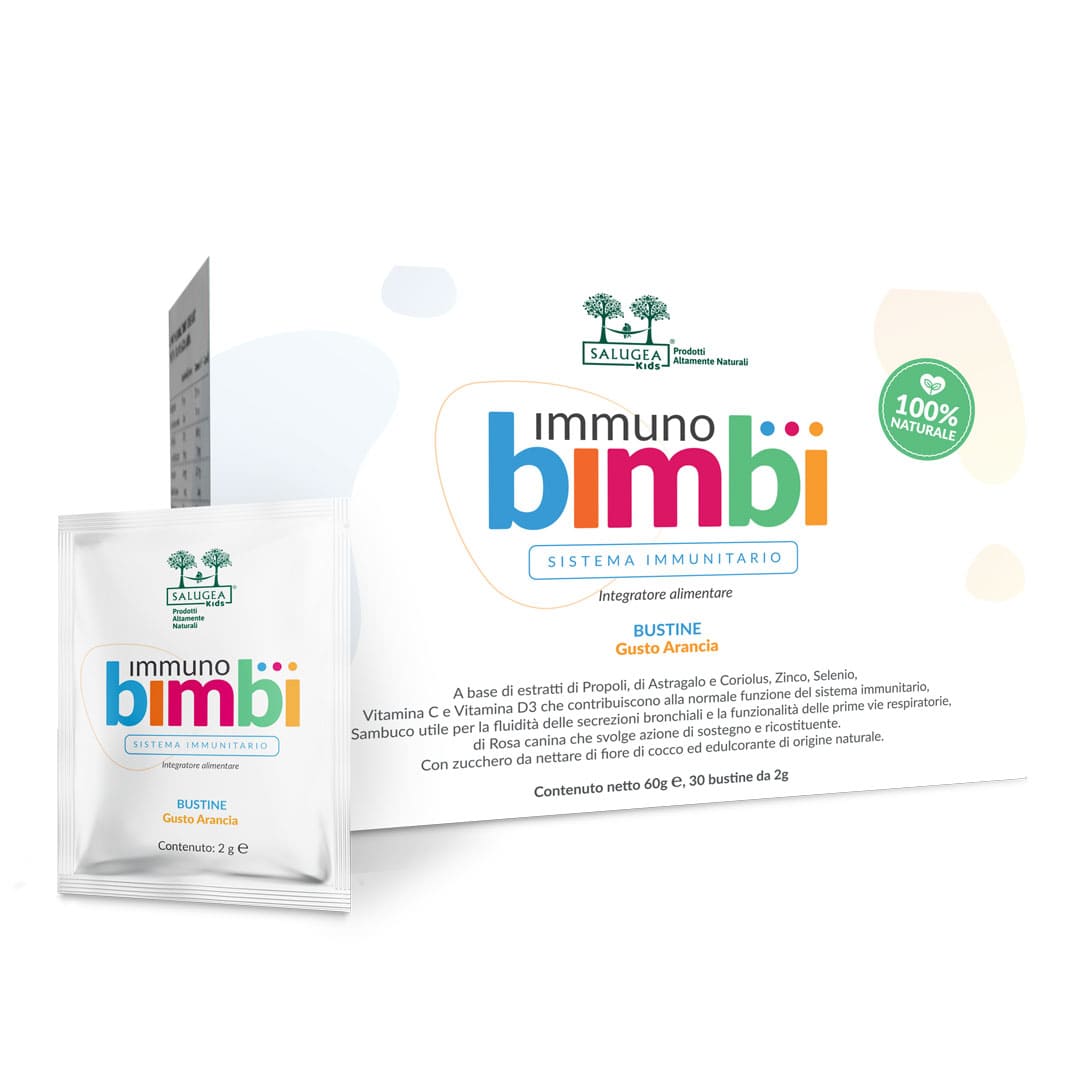
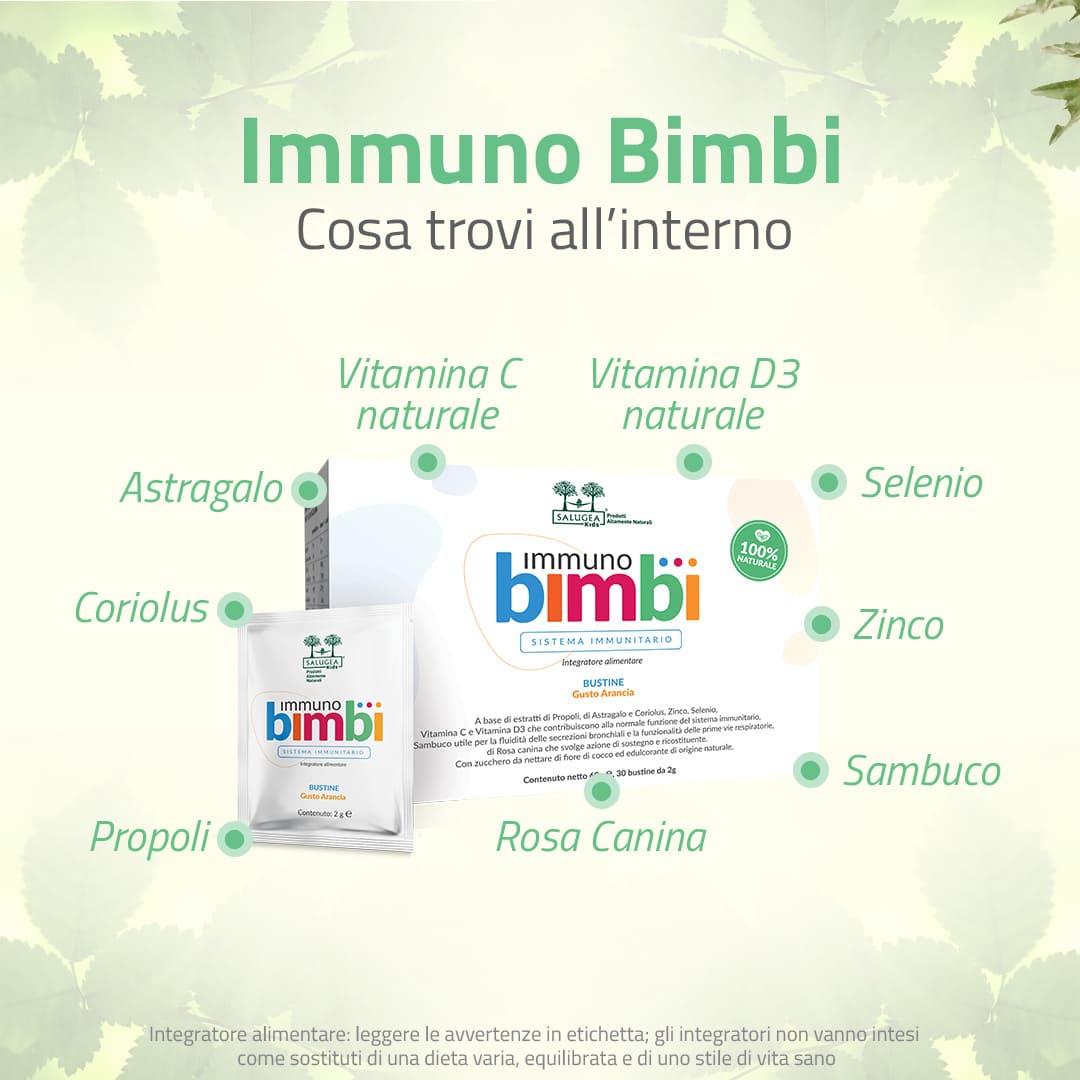
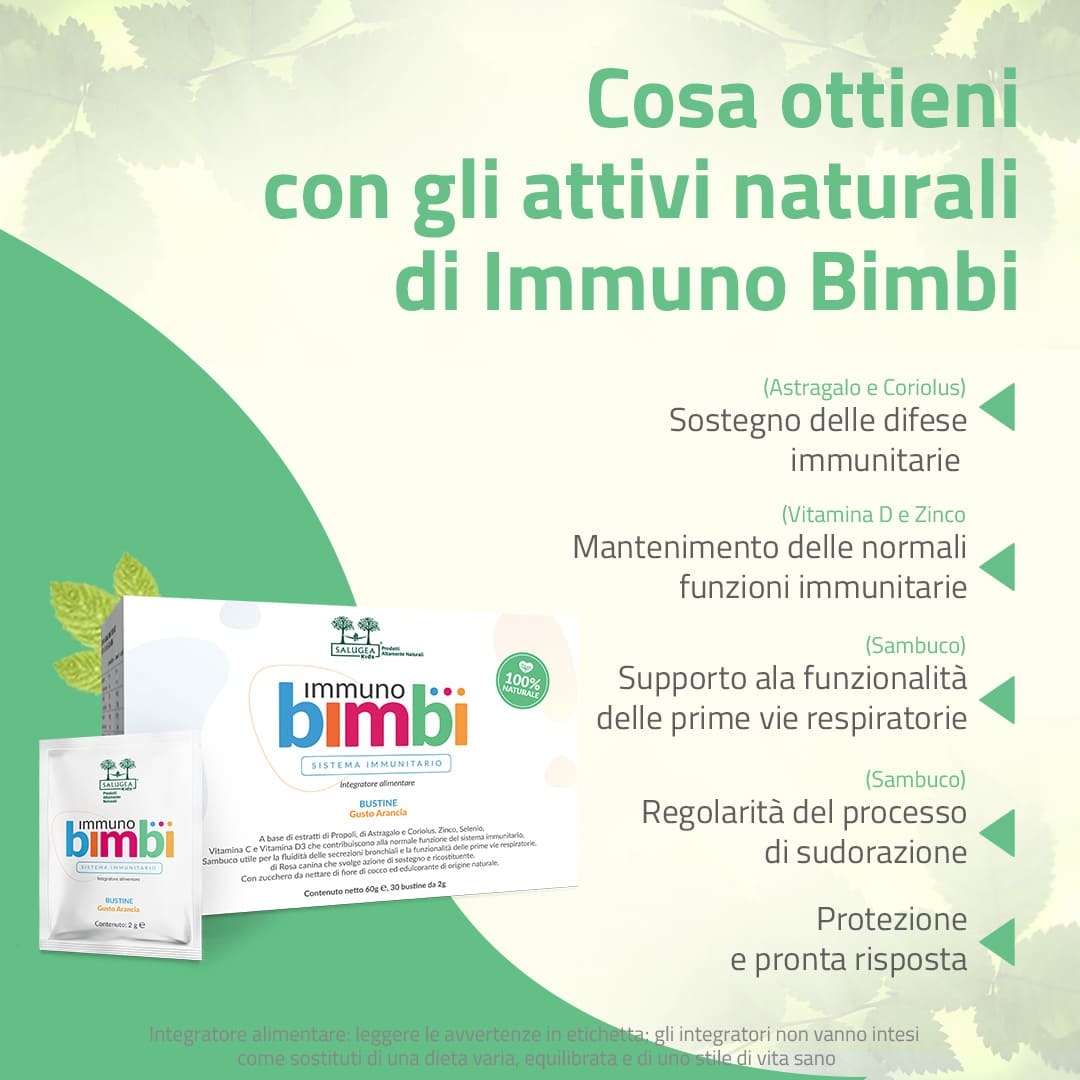
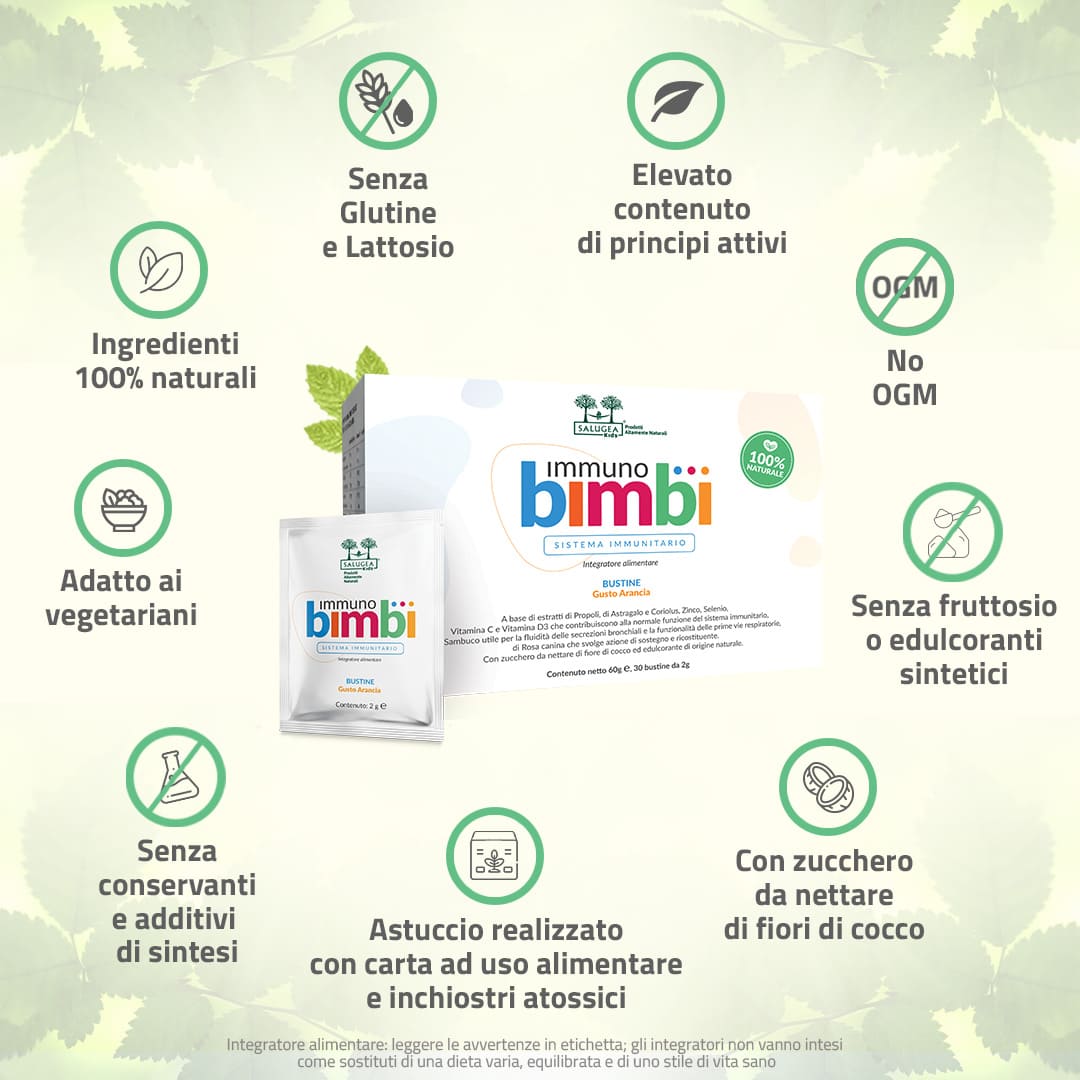
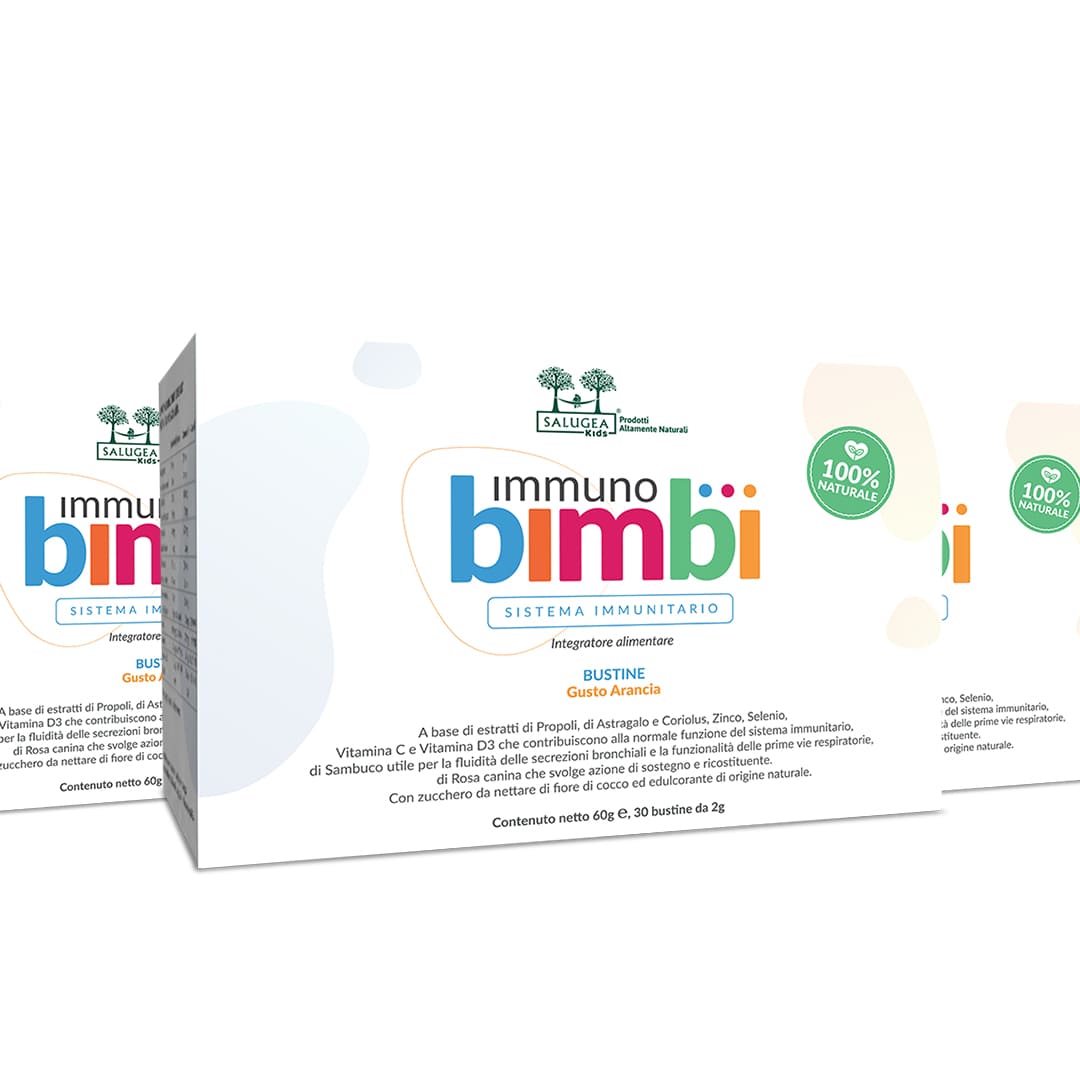
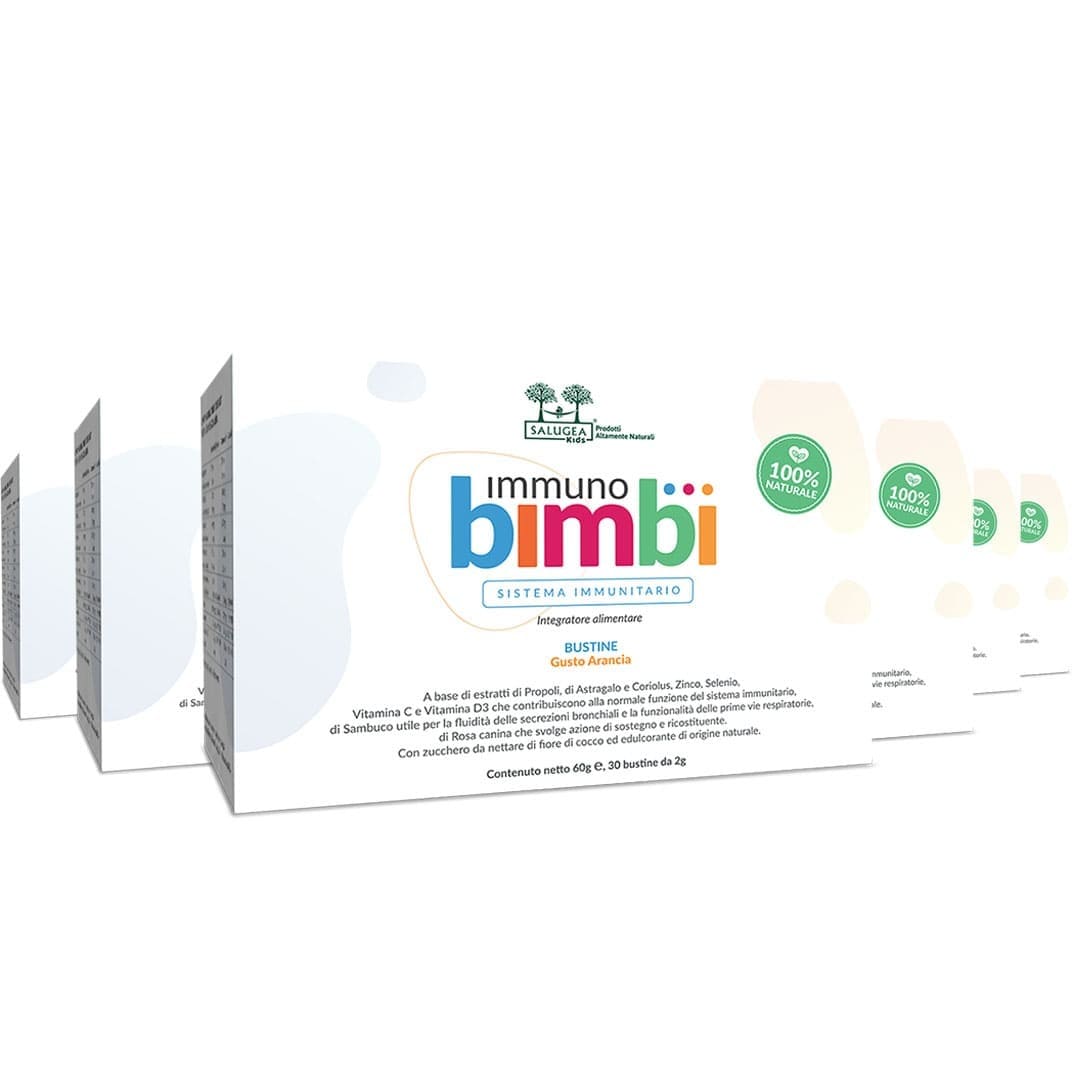
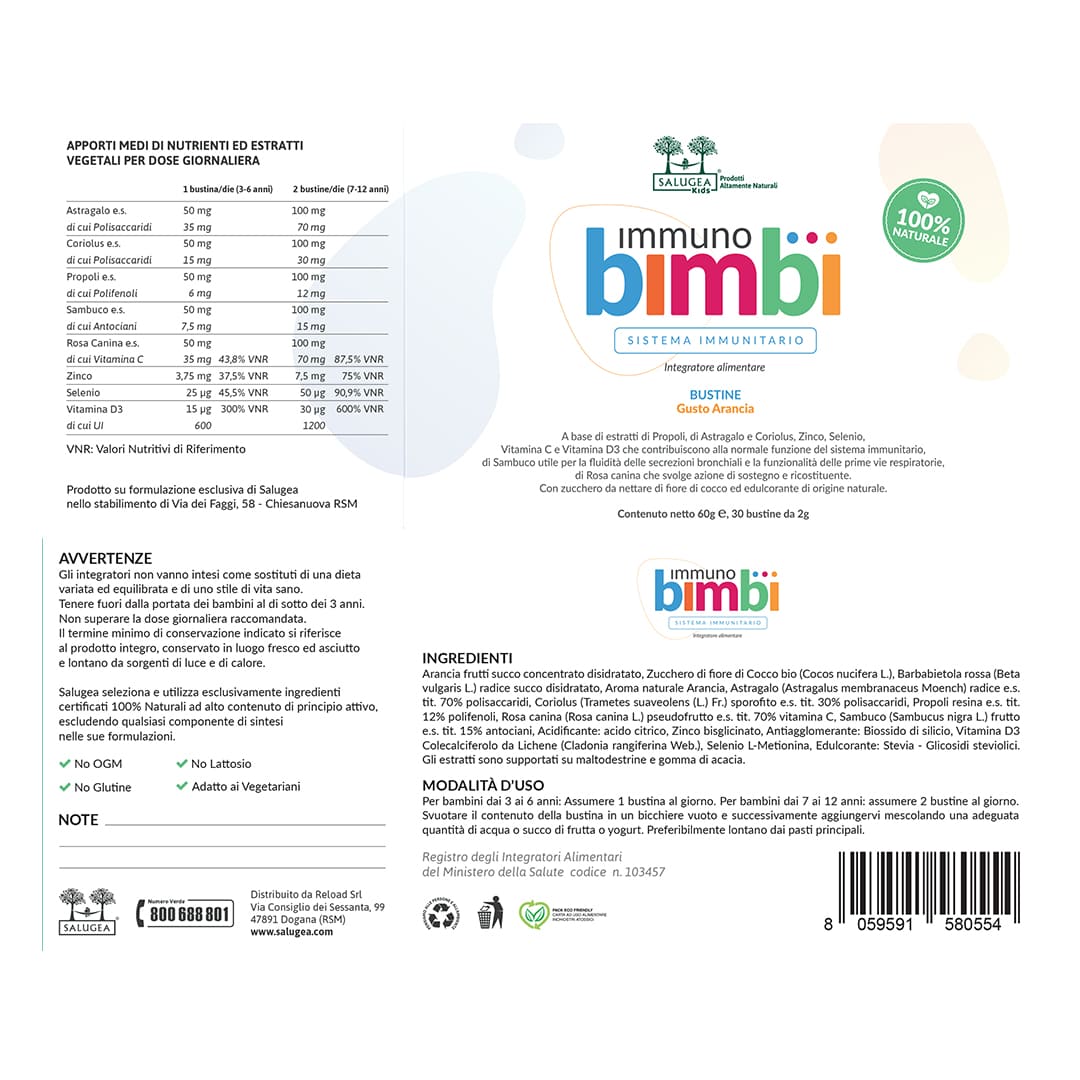
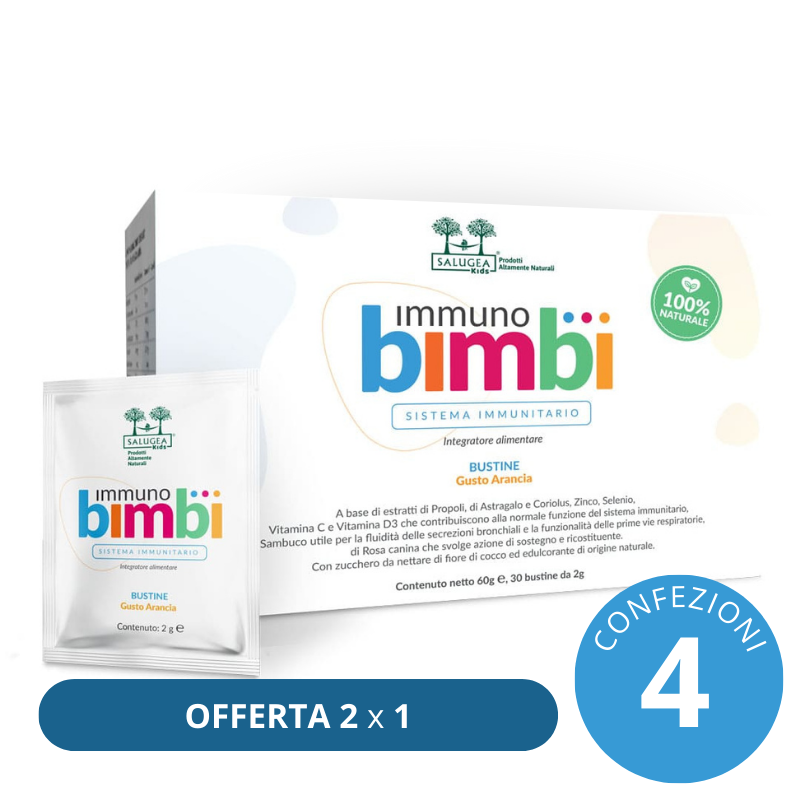
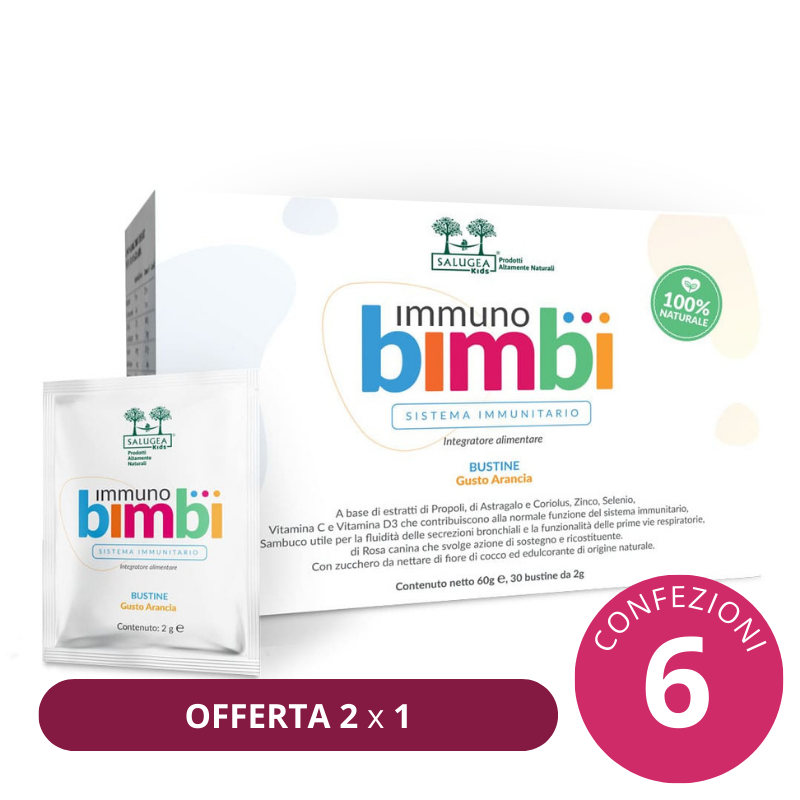
Immuno Bimbi therefore perfectly fits within this context as it is specific for children aged 3 to 12. It supports their immune system by modulating its reaction to every attack and is also effective in the acute phases of seasonal illnesses. Thanks to Immuno Bimbi, the immune system reaction to each and every attack will never be too strong or too weak, but just right! This aspect is very important in early childhood to prevent the child from developing a weak health altogether and to avoid over-reactions of his/her immune system that might lead to intolerances or allergies in the long run. This is made possible by the synergy developed by a mix of highly titrated vegetable extracts, vitamins and trace elements, especially selected for children.
DISCLAIMER
The Content is not intended to be a substitute for professional medical advice, diagnosis, or treatment. Always seek the advice of your physician or other qualified health provider with any questions you may have regarding your medical condition.
I nostri testi hanno scopo divulgativo, non vanno intesi come indicazione di diagnosi e cura di stati patologici e non vogliono sostituirsi in alcun modo al parere del Medico.